

♥ Wishlist
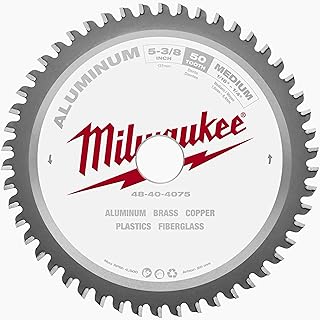


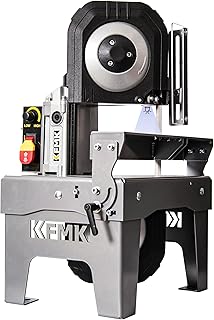


Metal cutting can demand accuracy, repeatability and dependable equipment. Milwaukee Metal Cutting Saws are intended for applications where controlled cutting is important, making them relevant to fabrication work, construction tasks, maintenance, installation and workshop projects. The right saw can make repetitive cutting easier while helping you maintain a consistent workflow.
When shopping in Australia, start by identifying the metals and profiles you normally cut. Different applications can involve sheet metal, tubing, pipe, angle sections, channels and other metal stock. Your material type and dimensions should guide the cutting capacity and saw configuration you need. Checking the manufacturer's specifications for the intended material is essential before purchasing or using any saw.
Every metalworking job has different requirements. A compact saw may suit mobile installation work where portability matters, while a larger workshop-oriented option may be more appropriate for repeated cutting. Think about where you will use the tool, how frequently you will move it and whether your work takes place at a fixed bench, construction site or fabrication area.
Power requirements also deserve attention. Corded equipment can be useful for established workshop areas with convenient mains access, while compatible cordless systems can provide greater freedom when working away from fixed power. Before choosing a cordless model, check battery and charger requirements and confirm that the necessary components are available for your intended setup.
Cutting capacity is one of the most important specifications to compare. Look at the manufacturer's stated capacities for the materials and profiles you expect to cut. A saw designed for your typical stock can help you avoid forcing the tool beyond its intended application. Also consider the maximum dimensions of the workpieces you regularly handle.
The blade plays an important role in metal cutting performance. Blade type, tooth configuration and suitability for the material can affect cutting behaviour, finish and service life. Always use a blade that is compatible with the selected saw and appropriate for the intended application. Follow the manufacturer's instructions when installing, replacing or inspecting blades.
A suitable metal cutting saw can simplify repetitive fabrication and installation work. Consistent cutting can reduce unnecessary rework, while a tool matched to the application can make the overall process more manageable. Milwaukee equipment is widely associated with professional trade applications, so these saws can be considered by users who require purpose-built equipment for demanding metalworking tasks.
Portability can also be valuable. Mobile trades may need to cut metal at different locations throughout a project, so a practical saw configuration can reduce unnecessary movement between work areas. For workshop users, stability, capacity and efficient operation may take greater priority.
Metal cutting saws can support a range of professional and workshop activities. Fabricators may use them when preparing metal sections, while builders and installers may require accurate cuts for project-specific components. Maintenance teams can also benefit from suitable cutting equipment when working with metal stock during repairs or modifications.
For DIY users, a metal cutting saw can be useful for projects involving compatible metal materials. However, users should select equipment according to their experience and the manufacturer's intended applications. Read the operating instructions carefully and use appropriate personal protective equipment whenever operating cutting machinery.
Before purchasing, compare the saw's cutting capacity, power configuration, dimensions, weight and compatible accessories. Consider whether you already use a compatible Milwaukee battery platform if you are considering a cordless option. For corded equipment, check the electrical requirements and ensure the product is suitable for your Australian work environment.
It is also worth considering your workload. Occasional users may prioritise straightforward handling and versatility, whereas professionals performing frequent cuts may place greater emphasis on capacity, workflow efficiency and long-term practicality. Reviewing the complete specifications can help you select a saw that aligns with your actual requirements rather than choosing solely by appearance or headline features.
Explore the Milwaukee Metal Cutting Saws category to compare suitable options for metalworking, fabrication, construction and workshop applications. Focus on the specifications that matter most to your projects, including cutting capacity, power source and material compatibility. Choosing the right configuration can help you build a more efficient cutting setup for Australian trade and workshop work.
Choose Milwaukee Metal Cutting Saws when you need controlled, efficient cutting performance for metalworking, fabrication, installation and trade applications. Designed around the demands of professional users, these saws can help you make clean and consistent cuts across suitable metal materials while keeping everyday work practical and productive. For Australian tradespeople, workshops and serious DIY users, selecting the right metal cutting saw means looking beyond cutting speed alone. Consider the material you work with, the required cut size, portability, power source, blade compatibility and the type of jobs you complete most often. This category provides a focused starting point for comparing Milwaukee metal cutting saw options.