

♥ Wishlist
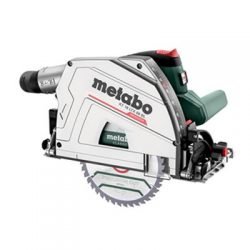
Cordless plunge saws combine the controlled cutting action of a plunge mechanism with the mobility of battery power. Unlike a conventional circular saw that normally begins at the edge of a board or sheet, a plunge saw allows the blade to enter the material at a selected point. This makes it particularly useful when you need clean, predictable cuts within a larger workpiece.
These saws are commonly used for cutting timber, plywood, MDF, laminated boards and other suitable sheet materials. Depending on the saw and blade fitted, they can support applications ranging from cabinetry and furniture work to flooring, joinery and renovation projects. Always check the manufacturer's specifications before cutting a particular material.
Battery operation is one of the main reasons to choose a cordless plunge saw. Without a power cable running across the work area, you can position the saw more freely and move between cutting locations with fewer restrictions. This can be especially convenient on Australian building sites, outdoor projects and renovation jobs where access to a nearby power outlet may vary.
A plunge mechanism also provides greater control when making internal cuts. The operator can position the saw carefully, lower the blade into the material and follow a planned cutting line. When paired with an appropriate guide rail, many plunge saws can produce long, straight cuts with a consistent finish.
Check whether the saw uses a battery platform you already own. A compatible battery system can reduce the need to purchase additional chargers and batteries. Runtime depends on battery capacity, material, blade selection and cutting conditions, so consider your typical workload before choosing a model.
Cutting depth determines the thickness of material the saw can handle. Look at the maximum plunge depth and check whether the stated figure applies with or without a guide rail. If you regularly cut thicker boards or sheet materials, compare the available depth against your usual requirements.
The blade diameter and specification affect cutting capacity and application suitability. Fine-tooth blades can be useful where a cleaner finish is important, while other blade designs may suit faster general-purpose cutting. Use a blade specifically recommended for the material and saw.
A compatible guide rail can improve straight-line accuracy and make repeated cuts easier to manage. If your projects involve breaking down large sheets, cabinetry or long panels, check whether the saw works with a suitable rail system and whether the required accessories are included or need to be purchased separately.
Cutting sheet goods and timber can generate significant dust. A plunge saw with effective dust extraction compatibility can help keep the work area cleaner when connected to an appropriate extraction system. Good dust management can also improve visibility around the cutting line.
Cordless plunge saws can support a broad range of woodworking and renovation tasks. They are particularly useful for breaking down large sheets into manageable sections before assembly. They can also be suitable for trimming panels, cutting worktops, preparing flooring materials and completing cabinetry projects when the equipment and blade are appropriate for the job.
For plunge cutting, accurate marking and stable material support are important. Secure the workpiece before cutting and make sure the blade path is clear of supports, fasteners and other obstructions. Follow the operating instructions supplied with your selected saw.
Start by identifying the materials and cut types you perform most often. A DIY user completing occasional shelving or renovation work may have different requirements from a cabinetmaker or professional tradesperson making repeated long cuts. Consider cutting depth, battery compatibility, guide rail support, blade availability, ergonomics and dust extraction before making your choice.
Australian shoppers should also pay attention to the supplied power system and product specifications. Battery tools may be sold as skin-only products, while some packages include batteries, chargers or accessories. Check the product listing carefully so you know what is included before ordering.
Wear suitable eye and hearing protection and use respiratory protection where appropriate to the material and working environment. Keep both hands positioned as directed by the manufacturer, maintain a stable stance and never place your hands in the blade path. Before starting a plunge cut, check the material for hidden screws, nails or other objects that could damage the blade or create a kickback hazard.
Keep the blade sharp and correctly fitted, inspect the tool before use and follow the manufacturer's safety instructions. Remove or isolate the battery before changing blades or carrying out maintenance.
The right cordless plunge saw depends on the way you work. Compare the cutting capacity, battery system, guide rail compatibility, blade requirements and included accessories against your intended applications. Whether you are preparing sheet goods, fitting cabinetry or handling renovation work, selecting a saw around your actual cutting requirements can help you work more efficiently and accurately.
Explore the cordless plunge saw range and compare the available options to find equipment suited to your workshop, job site or DIY projects in Australia.
Achieve accurate, controlled cuts with cordless plunge saws designed for work where precision and freedom of movement matter. These saws let you start a cut within a workpiece rather than only from an exposed edge, making them useful for sheet materials, benchtops, doors, cabinetry and many timber projects. For Australian tradespeople, renovators and serious DIY users, a cordless plunge saw can make cutting easier when mains power is inconvenient. A battery-powered design reduces the need for extension leads and gives you greater flexibility around workshops, building sites and renovation areas.
A cordless plunge saw is used for controlled cuts that can begin within a workpiece rather than only at its edge. Common applications include sheet-material breakdown, cabinetry, benchtops, flooring, doors and other suitable timber projects.
Many plunge saws can cut plywood and MDF when fitted with a suitable blade and operated within the manufacturer's stated capacity. Check the specific saw and blade specifications before cutting these materials.
A guide rail is not necessarily required for every cut, but it can make long, straight and repeatable cuts easier to control. Check that the rail is compatible with the selected saw.
Consider battery compatibility, cutting depth, blade size, guide rail compatibility, dust extraction, ergonomics and the accessories supplied. Match these features to the materials and cutting tasks you perform most often.
Suitable cordless plunge saws can be used for professional applications, provided their cutting capacity, durability, battery system and accessories meet the demands of the work. Always select equipment according to the manufacturer's specifications and your workload.
The main benefit is mobility. A cordless model does not require a mains power cable during operation, which can make positioning and movement more convenient on suitable work sites and renovation projects.
Yes, many plunge saws are designed to work with guide rails for long straight cuts. Check the compatible rail system and ensure the material is properly supported before cutting.