

♥ Wishlist
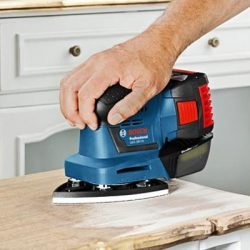
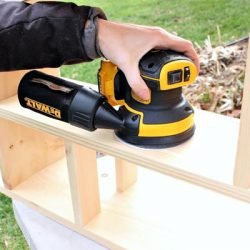
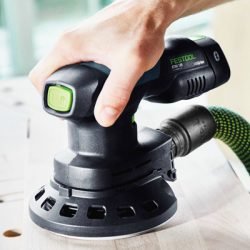
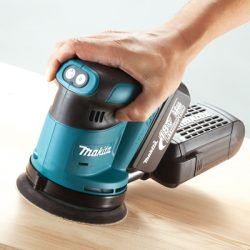
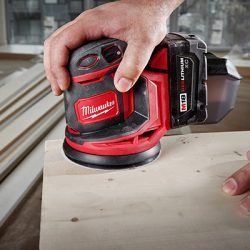


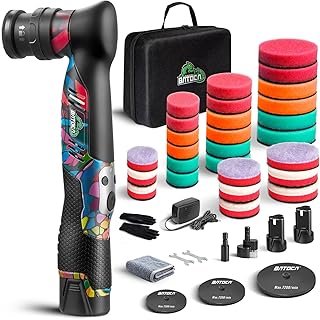

A cordless sander gives you the freedom to work without a mains power cable getting in the way. This makes battery-powered sanding tools useful for workshops, building projects, furniture restoration, home improvements and outdoor jobs. Whether you need to smooth timber, prepare a surface for painting or remove material quickly, the right cordless sander can make the task more manageable.
When shopping in Australia, consider the type of sanding you plan to do, the battery platform you already own, the size of the sanding surface and the amount of material you need to remove. Cordless models are available in several designs, so matching the tool to the job is more important than choosing based on power alone.
A cordless orbital sander is a versatile choice for general woodworking and finishing. Its sanding action is suitable for smoothing timber, preparing painted surfaces and working across larger flat areas. It can be a practical option for DIY users who want one battery-powered sander for a range of common projects.
Cordless belt sanders are designed for faster material removal. They are useful when working on larger timber surfaces or when a project requires more aggressive sanding. Their continuous sanding belt can remove material efficiently, although they generally require more control than lighter finishing sanders.
Detail sanders are designed for smaller areas, corners and intricate surfaces. Their compact sanding bases can help when working on furniture, trim, window frames and other areas where a larger sanding tool may be difficult to control.
Multi-sanders combine versatility with a compact design. Depending on the model, they can support different sanding tasks and may be useful for users who want a flexible tool for maintenance, renovation and DIY work.
Battery voltage can help indicate the power platform of a cordless sander, but it should not be the only specification you consider. Runtime also depends on battery capacity, workload, sanding pressure and the material being worked on. If you already use cordless tools, choosing a sander compatible with your existing battery platform can reduce the need to maintain several different battery systems.
Variable speed can provide greater control when sanding different materials. Lower speeds may be useful for delicate finishing work, while higher speeds can help with faster sanding. The appropriate setting depends on the material, abrasive and required finish.
Dust collection is an important feature for sanding because it can help keep the workspace cleaner and reduce loose sanding debris. Look for models with an integrated dust box or a connection for a suitable extraction system. Good dust management is particularly useful when sanding indoors or preparing surfaces for painting.
Sanding can involve extended periods of repetitive movement, so tool balance and grip comfort matter. A lightweight cordless sander can be easier to handle for detail work, while a larger model may provide additional capability for demanding applications. Consider how the tool feels in the hand and whether its controls are easy to reach.
Start by identifying the surfaces and materials you will sand most often. For general timber preparation and finishing, an orbital sander can provide a versatile solution. For rapid material removal, a belt sander may be more appropriate. If your projects involve corners, edges or intricate furniture components, a detail sander can offer greater manoeuvrability.
Next, check compatibility with your existing batteries and chargers. Many cordless tools are sold as tool-only units, which can be useful when you already own compatible batteries. Other packages include a battery and charger, making them more suitable for users starting a new cordless system.
Also compare sanding pad size, abrasive compatibility, dust collection, speed control and included accessories. These details can influence how efficiently the tool performs across different projects.
Cordless sanders can suit both home users and professionals. DIY users may value compact dimensions, easy handling and compatibility with an existing battery collection. Tradespeople and workshop users may prioritise runtime, durability, extraction options and consistent performance during longer work sessions.
Popular cordless sanding brands represented in the category include Bosch, DeWalt, Festool, Makita and Milwaukee, alongside other options. Comparing models across brands can help you identify the battery platform, features and sanding format that match your requirements.
A cordless sander can be a practical addition to a workshop or DIY tool collection when you need convenient, cable-free surface preparation. Compare the available models by sanding type, battery requirements, runtime, speed control, ergonomics and dust management before choosing a tool.
For Australian shoppers, also consider whether the product is supplied with a battery and charger, whether it fits an existing battery platform and whether the sanding format matches your typical projects. Taking these factors into account can make it easier to select a cordless sander that suits your woodworking, renovation or finishing needs.
Find cordless sanders for woodworking, renovation, surface preparation and DIY projects in Australia. Compare orbital, belt, detail and multi-sander options by power, battery system, ergonomics, dust collection and sanding requirements.