

♥ Wishlist


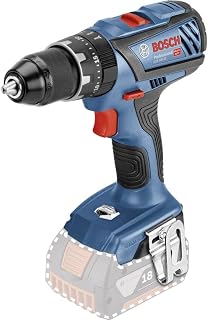

Bosch drills are designed for a wide range of drilling and fastening tasks, making them useful for home workshops, renovation projects, maintenance work and professional applications. When choosing a drill, the right model depends on the materials you work with, the type of holes or fixings required, how often you use the tool and whether you prefer cordless convenience or mains-powered operation.
For Australian shoppers, a Bosch drill can be a practical addition to a tool collection when versatility and reliable handling are important. Different drill designs provide different combinations of speed, torque, chuck capacity and control. Understanding these features can make it easier to select a drill that matches your intended work rather than simply choosing a model based on appearance or power rating.
Bosch drills are available in configurations suited to different levels of work. A compact drill can be convenient for everyday household jobs, furniture assembly and lighter fastening tasks. More powerful models may be better suited to demanding drilling applications and repeated use. For users who regularly move between locations, a cordless drill can provide greater freedom because it avoids the need for a nearby power outlet.
Consider the materials you expect to drill before selecting a model. Wood, metal, masonry and other materials can require different drilling characteristics and compatible accessories. If your projects involve several materials, a versatile drill with suitable speed and control settings can help reduce the need to switch between different tools.
Cordless drills are popular for their portability and ease of use. They can be useful for installation work, repairs, construction tasks and DIY projects where moving around a room, workshop or jobsite is necessary. When comparing cordless options, look at battery compatibility, operating time, charging arrangements, tool weight and the level of performance required for your typical jobs.
A compact cordless drill can be particularly convenient for overhead work or confined spaces. For heavier applications, shoppers may prefer a model offering greater torque and a design intended for more demanding use. Checking the drill's specifications and recommended applications is important before making a purchase.
Several specifications can help Australian shoppers compare Bosch drills. Speed control is useful when different materials and applications require different drilling speeds. Torque settings can provide greater control during fastening, while a variable-speed trigger can help users adjust operation according to the task.
The chuck is another important consideration. Chuck size and compatibility influence the range of drill bits and accessories that can be used. A keyless chuck can also make accessory changes more convenient. Tool weight, grip design and overall balance matter as well, particularly when a drill will be used for extended periods.
For household users, a versatile drill can handle many common tasks such as assembling furniture, installing shelves, fitting hardware and completing general repairs. A suitable drill can also make occasional renovation work easier when paired with the correct bits and accessories.
DIY shoppers should consider how frequently they will use the tool. A compact and easy-to-handle model may be sufficient for occasional projects, while regular users may benefit from additional speed, torque and battery flexibility. Choosing based on actual project requirements can help avoid paying for features that are unlikely to be needed.
Trade and workshop users often place greater emphasis on durability, handling, performance and compatibility with their existing tools. If a drill will be used frequently, factors such as ergonomics, battery systems, operating settings and accessory compatibility can become especially important.
Before selecting a drill for professional work, review the manufacturer's specifications for the intended application. Match the tool to the materials and workload rather than relying on a single specification. Using the correct drill bit and following the manufacturer's operating guidance can also support safer and more effective results.
The performance of a drill depends not only on the tool but also on the accessory being used. Drill bits should be selected according to the material and hole size required. Accessories designed for wood, metal or masonry can have different cutting characteristics, so using the appropriate bit is essential.
When comparing Bosch drills, check which accessories are compatible and whether batteries, chargers or other components are included with the particular product. Product specifications should be checked carefully because included accessories can vary between models and packages.
Start by identifying the jobs you expect to complete most often. Then consider the required power source, drilling materials, desired chuck type, speed settings, torque control, tool weight and battery requirements. For cordless models, also consider whether the battery platform fits other compatible tools you already use.
For Australian shoppers, it is also sensible to check the product specifications, included components and applicable electrical requirements before ordering. Comparing these details helps you select a Bosch drill that suits your workshop, home improvement projects or professional requirements.
Choosing the right Bosch drill is easier when you focus on the applications that matter most to you. Compare drill type, power source, performance characteristics, ergonomics and accessory compatibility before deciding. Whether you need a drill for occasional home repairs or regular workshop and trade work, matching the tool to the task can help you get better value from your purchase.
Find Bosch drills for drilling, fastening, DIY work and a wide range of workshop or jobsite applications. This category helps Australian shoppers compare drill types and choose an option suited to their project, materials and preferred power source.