

♥ Wishlist


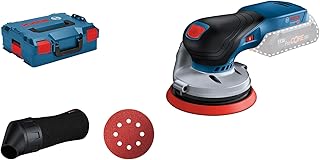


Bosch Sanders are designed for controlled surface preparation, smoothing and finishing across a wide range of woodworking and DIY applications. Whether you are preparing timber before painting, refining edges, removing an existing finish or creating a smooth surface for the next stage of a project, choosing the right sander can make the work more consistent and manageable.
For Australian shoppers, the best Bosch sander depends on the task rather than simply the power rating. Consider the size of the workpiece, the material you are sanding, the finish you want to achieve and how long you expect to use the tool. A compact sander can be convenient for smaller jobs, while a larger sanding tool may be more appropriate when working across broad surfaces.
Random orbital sanders are useful for producing a smooth finish on timber and other suitable surfaces. Their sanding action makes them a practical choice for furniture projects, benchtop preparation, doors, panels and general workshop work. They can also suit users who want one versatile sanding solution for a variety of finishing tasks.
Orbital and finishing sanders are well suited to detail-oriented surface preparation. They can help smooth timber before applying paint, stain or another finish. Their format can make them particularly useful when working on flat surfaces where controlled sanding is important.
Detail sanders are designed for smaller or harder-to-reach areas. They can be helpful when working around corners, edges and shaped sections that are difficult to access with a larger sanding tool. For restoration, furniture and detailed DIY work, a compact sanding design can provide greater control.
Start by identifying the type of work you perform most often. If you regularly sand large timber panels, a versatile general-purpose sander may be preferable. For furniture restoration or finishing work, control and handling can be just as important as sanding performance. For occasional DIY tasks, a compact model may provide the practicality you need without adding unnecessary bulk.
Power source is another important consideration. Corded sanders can provide continuous operation when a suitable power outlet is available, making them useful for longer workshop sessions. Cordless options can provide greater freedom of movement and reduce the need to manage a power cable around the workpiece. When choosing a cordless tool, consider battery compatibility and whether you already use other tools from the same battery platform.
Good sanding results depend on more than motor power. Speed control can help you adapt the tool to different materials and finishing requirements, while effective dust collection can help keep the immediate work area cleaner. Ergonomic design also matters when a project involves extended sanding because a comfortable grip and balanced tool can make repetitive work easier to manage.
Use the appropriate sanding sheet or abrasive grade for the task. Coarser abrasives can help with material removal, while finer grades are generally better suited to final smoothing. Moving progressively through abrasive grades can help create a more even finish and reduce visible sanding marks.
Timber projects often require several stages of surface preparation. Sanding can remove rough areas, smooth imperfections and prepare the material for paint, stain, oil or other finishes. Bosch Sanders can be considered for tasks such as furniture making, cabinetry, renovation projects, shelving, doors and general woodworking.
For previously coated timber, check the condition of the existing finish before sanding. When removing paint or another coating, work carefully and use suitable safety equipment and dust-control practices. Always follow the instructions supplied with the specific tool and abrasive products you use.
Different sanding jobs call for different tool formats and features. Comparing Bosch Sanders allows you to focus on the characteristics that matter for your intended applications, including power source, sanding action, handling, dust management, compatibility and overall suitability.
Before ordering, check the individual product specifications, included accessories and compatibility information. This is particularly important for cordless tools because battery and charger arrangements can vary between products. Also consider whether the tool will be used for occasional home maintenance or regular workshop applications.
Explore the Bosch Sanders category to find sanding solutions for woodworking, DIY renovation and surface-finishing applications. Compare available options according to your project requirements and choose a tool that matches the surfaces, working conditions and finish you expect to achieve.
For safe and effective use, always read the manufacturer's instructions before operating a power sander. Wear appropriate eye and hearing protection where required, manage sanding dust responsibly and use the correct abrasive for the material and application.
Find Bosch Sanders for woodworking, renovation, DIY and surface-finishing projects in Australia. A suitable sander can help remove old finishes, smooth timber and prepare surfaces for painting or coating. Choose a Bosch sander according to the material, finish required, sanding area and type of work you plan to complete.