

♥ Wishlist
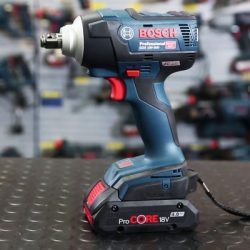
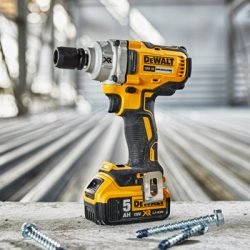
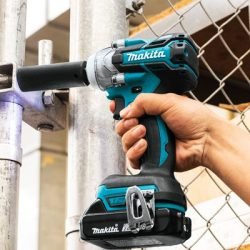
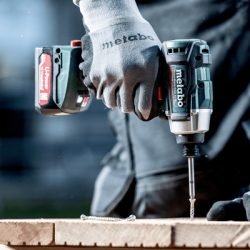
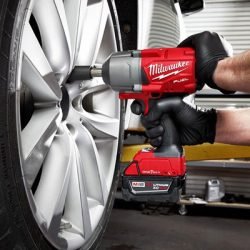


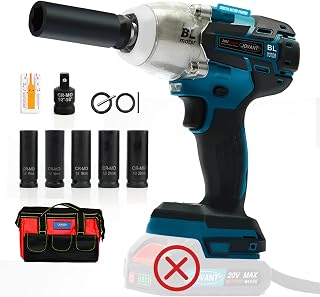

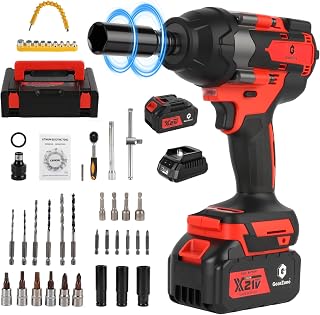
A cordless impact wrench is designed for jobs that require more fastening power than a conventional drill or driver can normally provide. Its impact mechanism delivers rotational force in repeated pulses, helping the tool handle stubborn fasteners and high-torque applications. Because there is no mains cable, you can move around a vehicle, workshop, building site or outdoor work area with fewer restrictions.
For Australian shoppers, the most suitable model depends on the type of work you regularly perform. A compact wrench can suit lighter automotive repairs and maintenance, while a higher-torque model may be more appropriate for heavy machinery, structural fastening or demanding workshop applications. Think about your typical fastener sizes and materials before selecting a tool.
Torque is one of the most important specifications when comparing cordless impact wrenches. Manufacturers may list several torque figures, including fastening torque, breakaway torque or maximum torque. These figures are not always directly comparable between different models, so use them as part of a broader assessment rather than relying on one number alone.
Choose enough torque for your intended applications without automatically selecting the highest-output tool available. Excessive power can make a tool heavier and may reduce control when working with smaller fasteners. A balanced model can provide a more practical combination of performance, handling and portability.
Drive size affects which sockets you can use and helps determine the types of fastening jobs a wrench can handle. Common options include 1/4-inch, 3/8-inch, 1/2-inch and 3/4-inch drives, although availability varies by product. A 1/2-inch impact wrench is a familiar choice for many automotive and general workshop applications, while larger drives can suit heavier-duty fastening.
Check the socket compatibility before purchasing. Impact-rated sockets are designed for use with impact tools and are generally preferable to standard hand-tool sockets for powered impact applications.
Battery capacity can influence how long you can work between charges. Higher-capacity batteries may provide greater runtime, although they can also add weight to the tool. If you already own compatible cordless tools, staying within the same battery platform may help you share batteries and chargers across your workshop.
Also consider charging time, battery availability and replacement costs. For mobile trades, roadside repairs or large worksites, carrying a charged spare battery can help reduce interruptions.
Variable speed triggers and selectable operating modes can make an impact wrench easier to control. Lower settings can help when approaching a fastener carefully, while higher settings can support faster removal and installation. Some models also provide electronic controls designed to regulate speed or impact intensity.
These features can be useful when working with different fastener sizes. However, always follow the fastener or equipment manufacturer's specifications for final tightening torque. An impact wrench should not automatically replace a calibrated torque wrench when a precise final torque value is required.
Tool weight, handle design, balance and grip can have a noticeable effect during extended use. A high-powered wrench may be useful for demanding applications, but a lighter design can be more comfortable for overhead work or frequent fastening. Consider how the tool feels in the position where you will use it most often.
LED work lights, belt hooks and compact heads can also add convenience. These features are secondary to performance and compatibility, but they can improve usability in workshops, garages and areas with limited lighting or restricted access.
Impact wrenches are commonly used for automotive servicing, wheel and suspension work, machinery maintenance, fabrication, construction and workshop repairs. They can save time when removing multiple nuts and bolts, especially where fasteners are tight or repetitive fastening is involved.
For DIY users, a cordless model can also be useful for occasional mechanical and maintenance projects. Before using one, select the correct socket, check the fastener condition and make sure the tool's specifications suit the task.
When comparing cordless impact wrenches, look beyond maximum torque. Evaluate drive size, battery system, tool weight, speed control, operating modes and the accessories you need. Consider whether your priority is automotive maintenance, heavy-duty trade work, workshop repairs or occasional DIY use.
Choosing a tool around your actual workload can help you avoid paying for specifications you may never use. It can also make the wrench easier to handle and more practical for everyday jobs.
Use appropriate eye protection and wear suitable personal protective equipment for the task. Inspect sockets and accessories before use, keep hands away from moving components and secure the workpiece where necessary. Do not exceed the manufacturer's recommended operating limits.
For critical fasteners, use the correct tightening procedure specified by the vehicle, machinery or equipment manufacturer. An impact wrench can speed up the initial fastening process, while a suitable torque wrench may be required for accurate final tightening.
A cordless impact wrench gives Australian tradespeople, mechanics, DIY users and maintenance professionals the freedom to tackle demanding fastening jobs without a power cord. These battery-powered tools combine high torque with an impact mechanism to help tighten and loosen nuts and bolts efficiently. They can be particularly useful for vehicle work, machinery maintenance, construction projects and general repair tasks where portability matters. When choosing an impact wrench, consider the required torque, drive size, battery platform, speed settings, tool weight and intended application. The right combination can make repetitive fastening work faster while giving you better control in different working environments.