

♥ Wishlist


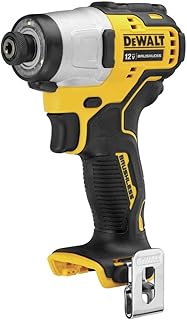


A DeWalt planer is designed for controlled timber removal and practical woodworking applications. It can help you reduce the thickness of timber, smooth rough surfaces, level uneven sections and prepare boards before further finishing. For Australian tradespeople, renovators, cabinetmakers and serious DIY users, a suitable planer can provide a useful combination of cutting performance, handling and job-site convenience.
When selecting a planer, consider the type of work you perform, the timber you normally handle and whether portability matters. A compact planer can be useful for mobile work, while a more powerful configuration may suit demanding material preparation. Looking at cutting width, cutting depth, power source, handling and dust management can help you narrow the available options.
Planing timber by hand can require considerable effort, particularly when preparing multiple boards. A powered DeWalt planer can remove material efficiently while helping you maintain a consistent surface. This makes it useful for jobs such as fitting doors, preparing framing timber, restoring boards and refining timber components.
For renovation work, a planer can also help when timber dimensions need careful adjustment. Removing small amounts of material can improve the fit of doors, boards and other wooden components. Always measure the workpiece first and make gradual adjustments rather than attempting to remove excessive material in one pass.
Cutting width affects how much timber can be processed in one pass. A suitable width can reduce the number of passes required across wider boards. Cutting depth is equally important because it determines how much material can be removed during a pass. For precision work, smaller cuts can provide greater control and help produce a more consistent finish.
Cordless planers can offer greater freedom when working away from fixed power outlets. They can be particularly convenient for construction sites, renovation projects and outdoor work. Corded equipment can be practical for workshop environments where continuous access to mains power is available. Consider your usual working location and whether mobility or uninterrupted operation is more important.
A planer needs to remain stable as it moves across timber. Look for a design that feels comfortable to hold and provides suitable control throughout the cut. Weight, grip, balance and handle placement can all affect how easily you can guide the tool. For longer jobs, comfortable handling can make a noticeable difference.
Planing produces wood shavings and dust. A suitable extraction arrangement can help keep the workspace cleaner and improve visibility around the cutting area. When working indoors, use appropriate dust extraction and follow the manufacturer's guidance for compatible collection equipment.
A DeWalt planer can support a variety of timber preparation tasks. Common applications include smoothing rough boards, reducing timber thickness, fitting wooden doors, preparing reclaimed timber and correcting minor surface irregularities. It can also be useful during general carpentry and renovation work where timber needs controlled adjustment.
For reclaimed or previously used timber, inspect the material carefully before planing. Remove nails, screws, staples and other metal objects because they can damage cutting components and create a serious safety hazard. Check the timber for embedded debris before placing it against the planer base.
Start by identifying the materials and tasks you expect to handle most often. A DIY user preparing occasional boards may have different requirements from a professional carpenter using a planer regularly on construction projects. Portability, power requirements and cutting capacity should all match your intended workload.
Australian shoppers should also consider where the tool will be used. A cordless option may be convenient for mobile applications, while a corded model can make sense in a dedicated workshop. Check the product specifications carefully for voltage, included accessories and battery requirements before purchasing.
Use appropriate eye and hearing protection when operating a powered planer, and follow the manufacturer's safety instructions. Secure the workpiece properly and keep hands away from the cutting area. Allow the tool to reach the appropriate operating condition before beginning the cut, and maintain a controlled feed across the timber.
Do not force the planer through material. Let the cutting system work at a controlled pace and make multiple shallow passes when substantial material removal is required. Inspect the finished surface between passes so you can adjust the depth without unnecessarily removing material.
Explore the DeWalt planer category to compare options for woodworking, carpentry, renovation and timber preparation. Consider cutting capacity, power source, handling and intended application before selecting a model. Choosing a planer that matches your typical work can help you achieve cleaner timber preparation and a more efficient workflow.
Find a DeWalt planer suited to timber preparation, woodworking, renovation and professional trade projects in Australia. Planers help remove controlled amounts of material from timber, level uneven surfaces and create smooth, consistent results. Whether you are preparing boards for a project or refining timber on site, choosing the right planer can make material preparation faster and more manageable.