

♥ Wishlist


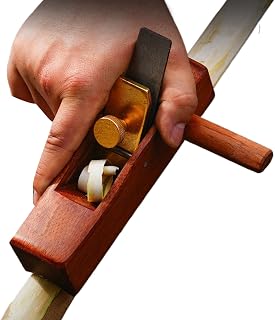


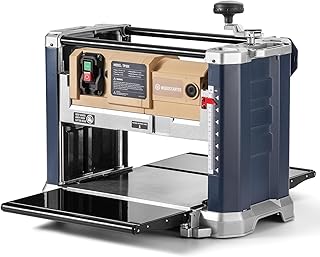


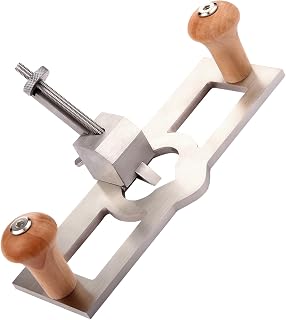
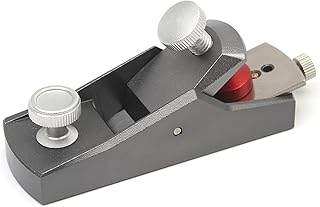


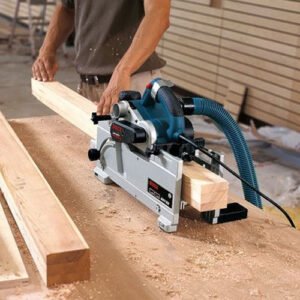
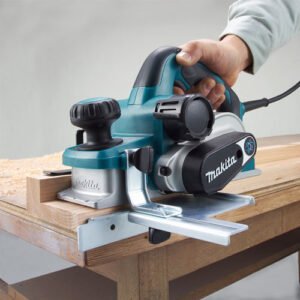
A corded planer is a practical power tool for removing controlled amounts of timber and creating smoother, more even surfaces. Unlike a battery-powered model, a corded planer connects directly to mains power, making it useful for longer woodworking sessions where consistent power is important. Australian DIY enthusiasts, renovators, carpenters and workshop users can use these planers for tasks such as flattening rough timber, adjusting board thickness, refining edges and preparing wooden surfaces for further work.
When choosing a corded planer in Australia, consider the type of timber you work with, the depth of cut you need and how frequently you expect to use the tool. A suitable planer can help reduce manual effort while providing a controlled finish across a range of woodworking projects. It is particularly useful when working in a workshop or other area where access to a suitable mains power outlet is available.
One of the main benefits of a corded planer is its continuous connection to mains electricity. You do not need to stop work to recharge a battery, so the tool can remain ready during extended projects. This can be useful when preparing several timber boards, completing renovation work or carrying out repeated adjustments in a workshop.
Corded operation can also make the tool suitable for users who prefer predictable performance throughout a job. However, the power cord needs to be managed carefully so it remains clear of the cutting area and does not restrict movement.
A corded electric planer can perform several common timber-preparation tasks. It can remove small amounts of material from a board, help correct uneven surfaces and refine timber before assembly or finishing. You can also use a planer for adjusting doors and other wooden components when controlled material removal is required.
The tool is generally most effective when you make several controlled passes rather than attempting to remove too much material at once. Checking the timber between passes can help you achieve the desired result while maintaining better control of the workpiece.
Planing can help improve the surface of rough or uneven timber. Once the required amount of material has been removed, the resulting surface can be prepared for sanding, painting, staining or construction.
A planer can also help with fine adjustments where a timber component needs to fit a particular opening or join. Small, measured cuts allow you to refine dimensions without relying entirely on manual tools.
Not every corded planer is designed for exactly the same type of work. Before choosing a model, look at its cutting depth, planing width, motor performance, adjustment controls and overall handling. These factors can affect how efficiently the tool performs and how comfortable it is during repeated use.
Cutting depth is particularly important because it determines how much material can be removed in a single pass. A planer with adjustable depth settings gives you greater control for different applications. The planing width also matters because a wider cutting path can cover more of a board in each pass, while a more compact design may be easier to handle for smaller jobs.
Match the cutting capacity to your typical timber sizes and project requirements. For general DIY work, flexible adjustment can be more useful than simply selecting the largest available capacity.
Consider the tool's grip, balance, adjustment system and overall weight. Good control is important when creating an even surface, particularly when working across longer boards.
Planing produces wood chips and dust, so a suitable chip or dust collection arrangement can make workshop clean-up easier. Check how the model handles chip discharge and whether it can connect to compatible extraction equipment if required.
Australian shoppers should consider where the planer will be used and whether a suitable mains power supply is available. Also check the product specifications, included accessories, warranty information and operating instructions before purchase. Comparing these details can help you select a tool that matches both your woodworking needs and your workspace.
For occasional home projects, ease of handling and straightforward adjustment may be priorities. For frequent woodworking, you may place greater importance on cutting capacity, durability, ergonomics and continuous operation. Always select a model according to the manufacturer's stated specifications and intended use.
Before operating a corded planer, read the manufacturer's instructions and inspect the tool, power cord and cutting components. Secure the timber firmly and keep your hands away from the cutting area. Wear appropriate eye and hearing protection, manage airborne wood dust responsibly and keep the power cable away from the blade path.
Disconnect the tool from mains power before carrying out adjustments, cleaning or maintenance. Allow moving components to stop completely before placing the planer down. Safe working practices help reduce avoidable risks while allowing you to concentrate on producing an accurate timber surface.
A corded planer can be a useful addition to an Australian home workshop when you need controlled material removal and consistent mains-powered operation. Focus on cutting capacity, adjustment range, handling, dust management and the type of timber you normally work with. By comparing these practical factors, you can narrow your options and choose a corded planer that suits your woodworking projects.