

♥ Wishlist






Finding the right battery or charger can help keep your equipment, electronics and everyday devices ready when you need them. The Generic Battery And Charger category brings together a broad selection of battery and charging products for different applications. Depending on the product, you may find options for cordless equipment, cameras, vehicles, recreational equipment, portable power systems and household devices.
Australian shoppers should check voltage, battery chemistry, capacity, connector type and device compatibility before choosing a replacement battery or charger. A product that looks similar may not provide the correct electrical specifications. Checking the original battery label and the equipment manufacturer's requirements can help you select a suitable option.
Battery requirements vary significantly between products. Lithium-ion batteries are widely used in portable electronics, cameras, cordless equipment and other rechargeable devices because they offer a useful balance of energy density and weight. Lead-acid batteries remain common in automotive, marine, backup-power and other applications where robust energy storage is required.
You may also encounter nickel-metal hydride batteries, nickel-cadmium batteries, alkaline batteries and other battery formats. Rechargeable and non-rechargeable batteries are designed for different purposes, so always confirm the chemistry specified for your equipment before purchasing.
Voltage must match the requirements of the device or system. Using an incompatible voltage can cause poor operation or equipment damage. Battery capacity is commonly expressed in ampere-hours (Ah) or milliampere-hours (mAh), while some products use watt-hours (Wh). Higher capacity can provide longer runtime, although actual performance depends on the equipment and operating conditions.
Compatibility involves more than matching a voltage number. Physical dimensions, terminals, connector design, battery chemistry, communication systems and charging requirements can all matter. For replacement batteries, compare the original model number and specifications carefully before ordering.
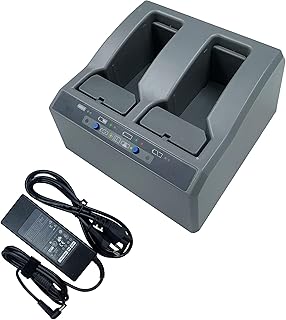
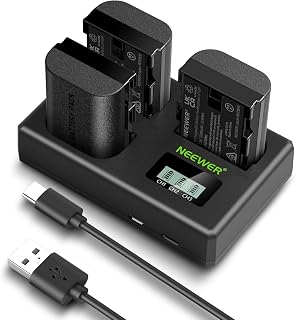
A suitable charger should be designed for the battery chemistry, voltage and charging requirements of the battery. Standard chargers can provide straightforward charging, while smart chargers may automatically regulate the charging process. Multi-slot chargers can be useful when several compatible batteries need to be charged at the same time.
Trickle and maintenance chargers are commonly associated with vehicles and batteries that may remain unused for extended periods. Solar charging solutions can be useful for selected outdoor, camping, recreational or off-grid applications. Fast chargers can reduce charging time, but only when the battery and equipment are designed to support the required charging rate.
Before choosing a charger, review its input and output voltage, charging current, connector, supported battery chemistry and compatibility information. For Australian use, also consider the intended power source and plug configuration. Do not assume that a charger is suitable simply because its connector fits the battery.
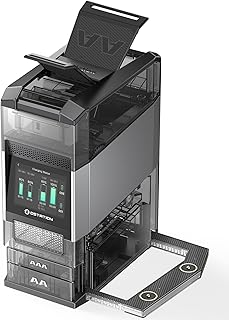
This category can serve a wide range of applications. Camera batteries and chargers can help photographers maintain spare power for shoots. Cordless equipment batteries can support compatible tools and outdoor equipment. Automotive and recreational charging products can be relevant for cars, boats, caravans and other vehicles. AA and AAA rechargeable battery chargers can provide a reusable charging solution for compatible household devices.
Portable power products and specialist charging equipment may also suit camping, travel, backup power and other situations where dependable energy is important. Always review the individual product specifications because generic products can vary considerably in design, performance and compatibility.
Start by identifying the exact device or equipment that needs power. Note the original battery model, voltage, capacity, chemistry and connector. If you are replacing a charger, record its output specifications and confirm that it supports the battery type.
It is also useful to consider charging speed, number of charging ports, portability, display features, protection systems and intended operating environment. For products used outdoors or in vehicles, the installation requirements and environmental conditions deserve particular attention.
Use batteries and chargers according to their supplied instructions and compatibility specifications. Avoid charging damaged, swollen or visibly compromised batteries. Keep charging equipment away from unsuitable heat, moisture and combustible materials. Lithium batteries require particular care because incorrect charging or physical damage can create safety risks.
When comparing products, look beyond the headline capacity or charging speed. Review compatibility details, battery chemistry, voltage, connector type, charging current and included accessories. A product with the correct specifications for your equipment can be more useful than one with a higher headline specification that is not compatible.
The Generic Battery And Charger category provides Australian shoppers with a convenient starting point for comparing different power and charging solutions. Check the individual product information carefully before purchasing, particularly when selecting replacement batteries, specialist chargers or products for high-value equipment.
Whether you need a replacement battery, a spare charging solution or equipment for a specific power application, careful specification matching is essential. Compare the available options according to your device requirements, battery type, voltage, capacity and intended use. This approach can help you find a practical charging or replacement solution while reducing the risk of choosing an incompatible product.