

♥ Wishlist


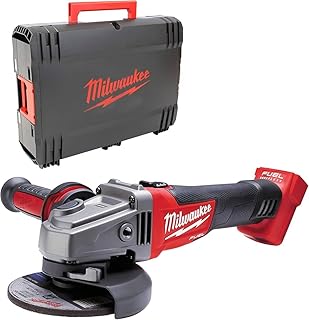


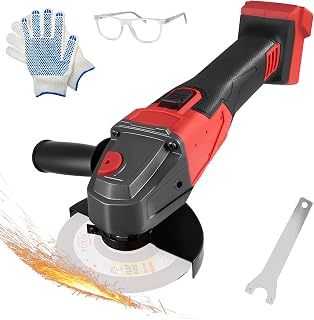
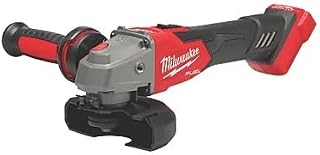


Milwaukee Angle Grinders are designed for demanding cutting, grinding and surface preparation tasks where controlled power and practical handling matter. Whether you work in construction, fabrication, maintenance, metalworking or a busy home workshop, the right angle grinder can help you remove material, prepare surfaces and make clean cuts efficiently. This category brings together Milwaukee grinder options for Australian users who need dependable equipment for regular jobsite and workshop work.
When choosing an angle grinder, start by considering the type of work you perform most often. Cutting metal requires a grinder that works effectively with suitable cutting discs, while grinding and weld preparation may call for a different combination of disc type, power and control. Surface cleaning and preparation can also require specialised accessories. Matching the grinder to the application helps you work more efficiently and reduces the risk of selecting a tool that does not suit your requirements.
Milwaukee angle grinders can suit a wide range of applications, from everyday workshop jobs to demanding professional tasks. Cordless models can provide greater freedom of movement without a mains cable, making them practical when working across large sites or in locations where access to power is limited. Corded grinders can be useful when you need continuous operation near a suitable electrical supply.
Battery compatibility can also be an important consideration for Australian tradespeople already using cordless power tools. If you have compatible Milwaukee batteries and a suitable charging setup, a cordless grinder may integrate conveniently into an existing tool collection. Always check the specific model requirements and battery platform before purchasing.
With the correct cutting disc and appropriate setup, an angle grinder can be used for cutting suitable metal materials. Common applications include trimming metal sections, cutting sheet material and working on fabrication projects. Select accessories that are specifically designed for the material and grinder, and follow the manufacturer's operating instructions.
Grinding wheels can help remove excess material, smooth welds and prepare metal surfaces for further work. For fabrication and repair tasks, controllable handling is especially useful when working around joints, edges and uneven surfaces. The grinder, wheel and operating technique should always match the job.
Suitable accessories can extend an angle grinder beyond basic cutting and grinding. Depending on the model and accessory, users may perform tasks such as cleaning surfaces, removing coatings or preparing material before finishing. Check accessory compatibility carefully before fitting any attachment.
Several specifications can influence how an angle grinder performs. Disc diameter is one of the first details to check because it affects the accessories that can be fitted and the type of work the tool is designed to handle. Motor or battery performance is another important factor, particularly for demanding applications involving sustained material removal.
Ergonomics can make a significant difference during repeated use. Consider the grinder's grip, weight, switch arrangement and overall balance. A design that feels manageable in your hands may help you maintain better control during longer tasks. Safety features and accessory compatibility should also form part of your selection process.
Australian tradespeople may use angle grinders across construction sites, fabrication workshops, maintenance environments, agricultural settings and DIY projects. Conditions can vary considerably, so choosing a grinder based on the actual application is more useful than selecting purely by headline power. Think about how frequently you will use the tool, which materials you will work with and whether cordless mobility is important.
For mobile work, a cordless grinder can reduce dependence on extension leads and provide convenient access around a jobsite. For fixed workshop work, a corded option can provide continuous access to mains power where an appropriate electrical supply is available. Comparing these practical considerations can make it easier to narrow the category to a suitable model.
An angle grinder's versatility depends heavily on the accessory fitted to it. Cutting discs, grinding wheels, flap discs, wire wheels and other accessories are designed for different applications. Always confirm the accessory's size, rated speed, material compatibility and suitability for the particular grinder before use.
Safe operation is equally important. Wear appropriate eye and face protection, hearing protection and other personal protective equipment recommended for the task. Inspect discs and accessories before use, maintain a secure grip and follow the manufacturer's safety guidance. Never use an accessory outside its intended application or operating rating.
Before choosing a model, compare disc size, power source, operating requirements, handling characteristics and intended applications. If you already own compatible cordless equipment, check battery-platform requirements. If your work involves extended sessions, consider ergonomics and tool weight alongside performance. For occasional DIY tasks, prioritise a configuration that matches the materials and accessories you expect to use.
Milwaukee Angle Grinders can provide a practical solution for users who need a versatile tool for cutting, grinding and preparation work. By comparing the specifications with your actual requirements, you can select a grinder that fits your workshop or jobsite routine rather than relying on a one-size-fits-all approach.
Explore Milwaukee Angle Grinders for cutting, grinding, polishing and surface preparation across professional and workshop applications in Australia. Choose a suitable grinder by power source, disc size, performance requirements and the type of work you need to complete.