

♥ Wishlist


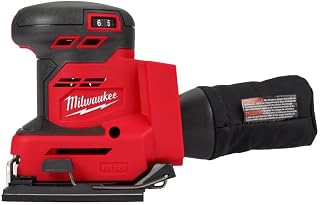


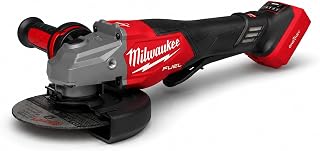


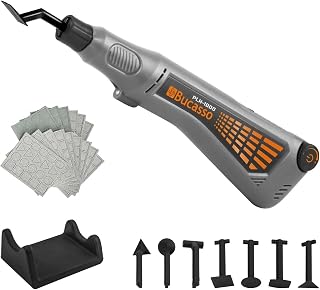


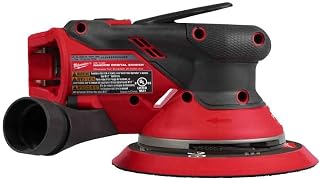


Milwaukee Sanders are designed for users who need reliable sanding performance without being restricted by a power cord. For Australian tradespeople, renovators, workshop users and serious DIY enthusiasts, a cordless sander can make surface preparation easier across jobs where portability and access matter. The Milwaukee range includes sanding tools suited to different applications, from general surface smoothing to detailed finishing and material preparation.
When choosing a Milwaukee sander, consider the type of sanding you perform most often, the surface area you need to cover, the finish you want to achieve and the battery platform already used in your workshop. The right combination can help improve workflow while reducing the need to move between different power sources.
Different sanding tasks require different tool designs. Random orbital sanders are useful for producing an even finish across larger wooden surfaces and for preparing painted or varnished areas. Sheet sanders can provide controlled finishing on suitable flat surfaces, while compact detail-oriented sanding tools can help when working around edges, corners and smaller sections.
The category can also include specialist sanding equipment such as bandfile-style tools. These narrow sanding solutions can be useful for targeted work where access is limited and a conventional sanding pad is difficult to position. Selecting the correct style of sander helps match the tool to the shape, material and finish required for the job.
Battery compatibility is an important consideration when shopping for cordless power tools. Milwaukee models may use different battery platforms, so check the exact product specification before purchasing. Tool-only models are also common, making them particularly relevant to users who already own compatible batteries and chargers.
The sanding pad or sheet size affects how efficiently you can cover a surface. A larger sanding area can be useful for broad panels, while a compact design can provide greater control in smaller workspaces. Orbital movement can also influence the tool's suitability for smoothing and finishing applications.
Variable-speed control can be valuable when working with different materials or when moving between aggressive material removal and finer finishing. Lower settings can offer additional control, while higher settings may help with suitable preparation tasks. Always follow the manufacturer's recommendations for the material and accessory being used.
Sanding creates fine particles, making dust management an important part of workshop preparation. Where supported, a dust collection system or compatible extraction setup can help manage sanding debris and keep the working area more controlled. Users should also select suitable respiratory and eye protection for the task.
Start by identifying the surfaces and materials you regularly sand. For broad wooden panels and general finishing, a random orbital sander may be suitable. For controlled work on flat surfaces, a sheet sander can be worth considering. For narrow sections, edges or detailed applications, a compact or bandfile-style tool may offer better access.
Next, consider runtime and battery requirements. If you already use Milwaukee cordless tools, staying within a compatible battery platform can simplify your equipment setup. Check whether a listing includes a battery and charger or is supplied as a bare tool. This distinction can make a significant difference to the overall purchase requirements.
Sanders can support many stages of woodworking and renovation. They can help prepare timber before painting, smooth previously coated surfaces, refine edges and improve the finish of prepared components. They can also be useful when restoring furniture or preparing panels for subsequent coating.
For Australian users, portability can be especially useful when moving between a workshop, job site, renovation project or outdoor work area. A cordless design removes the need to remain close to a mains outlet, although battery capacity, charging arrangements and environmental conditions should still be considered before starting extended work.
Comparing models allows you to look beyond the brand name and identify the specifications that match your actual work. Pay attention to battery voltage, sanding format, pad dimensions, speed control, included accessories, dust-management features and whether the product is sold as a bare tool or kit.
It is also useful to compare the intended application of each model. A compact sander designed for detailed work may not be the most practical option for large panels, while a larger random orbital model may be less convenient for confined areas. Matching the tool to the task can help create a more efficient and controlled sanding workflow.
Before ordering, check the complete product description, included accessories, battery requirements and seller information. Product listings can vary in configuration, and a tool-only package may require an existing compatible battery and charger. Also check the sanding accessories required for your application and ensure replacement abrasives are readily available.
For professional users, consider how frequently the tool will be used and how it fits into the existing workshop system. For DIY users, prioritise the sanding applications you expect to perform most often. In both cases, appropriate personal protective equipment and safe operating practices remain essential.
Milwaukee sanding products can include random orbital, sheet, detail and specialist sanding tools. The most suitable type depends on the material, surface area and finish required.
Many Milwaukee Sanders are cordless and designed around Milwaukee battery platforms. Always check the individual listing because battery and charger inclusions can vary.
Some products are sold as kits, while others are supplied as tool-only or bare-tool products. Check the product listing carefully before ordering.
A random orbital or sheet sander can be suitable for many woodworking applications. The best format depends on the size of the surface, desired finish and type of work being performed.
Compact and detail-oriented sanding tools can be useful for smaller areas, edges and confined sections. Check the tool's specifications to confirm its intended application.
Check battery compatibility, sanding format, pad or sheet size, speed control, dust-management options, included accessories and whether the product is supplied with a battery and charger.
Yes, cordless sanding tools can provide greater freedom of movement where access to mains power is limited. Runtime and battery availability should be considered for longer jobs.
Discover Milwaukee Sanders for controlled sanding, surface preparation and finishing across woodworking, renovation and trade applications. This category includes cordless sanding solutions designed for users who want convenient handling, flexible operation and compatibility with Milwaukee battery platforms.