
♥ Wishlist


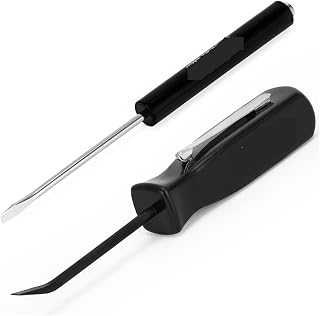


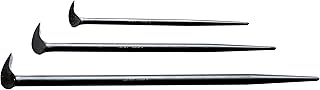


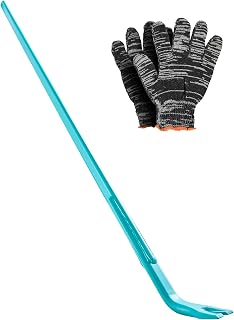


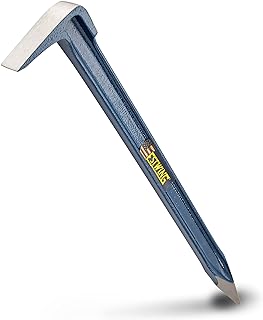


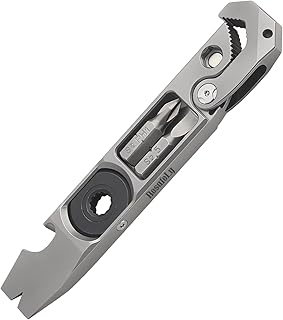
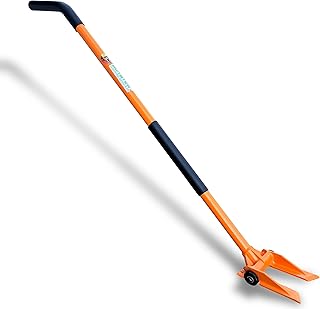
A Taparia Crowbar Hand Tool is a practical addition to a workshop, building site or DIY tool collection when a task requires controlled leverage. Crowbars can help lift, separate, pry, align or remove materials where ordinary hand tools may not provide enough reach or leverage. The right design depends on the work you need to complete, the available working space and the amount of force the task requires.
For Australian users, a crowbar can be useful for renovation, construction, woodworking, maintenance and general property projects. Instead of selecting a tool based only on its appearance, consider its length, shape, working ends, construction and intended application. A compact pry bar may suit detailed work, while a longer wrecking bar can provide greater leverage for heavier tasks.
Wrecking bars are designed for demanding prying and dismantling work. Their longer profiles can provide useful leverage when separating materials or removing components during renovation and demolition projects. They are particularly relevant when reach and mechanical advantage are important.
A pry bar can help with lifting, separating and positioning materials. Flat or tapered working ends can make it easier to access narrow gaps. This type of crowbar is useful for workshop maintenance, woodworking, construction and general repair tasks where controlled movement matters.
Digging bars use pointed or chisel-style ends for breaking, loosening or working through compact material. They can be useful for landscaping, construction preparation and other jobs where a strong manual bar is required. Choose the appropriate length and construction for the conditions of the work area.
A curved gooseneck design can provide a useful leverage point when working around materials or in restricted positions. These bars are commonly associated with demolition, lifting and dismantling tasks. Their curved profile can also help when a straight bar does not provide the desired working angle.
Nail puller bars are designed around the removal of nails and similar fasteners. A claw-style end can help grip nails so they can be extracted with controlled leverage. This makes the design useful for woodworking, carpentry, pallet dismantling and renovation work.
Start by identifying the main job. Heavy demolition calls for a different crowbar profile from delicate prying or nail removal. Next, consider the overall length. A longer bar can provide more leverage, while a shorter model may offer better control in confined areas.
Construction is another important consideration. Look for a tool that matches the demands of your intended application. Forged or heat-treated steel construction is commonly associated with durable crowbars, but product specifications should always be checked for the individual model rather than assumed across every listing.
Pay attention to the working ends as well. A pointed tip can help with penetration or positioning, while a flat, tapered or clawed end may suit prying and nail extraction. Some crowbars combine different end profiles to support several applications with one tool.
Australian homeowners, tradespeople, renovators and DIY users can encounter many jobs where leverage is more useful than cutting or fastening. Removing old timber, separating materials, lifting components and dismantling unwanted structures are examples where a suitable pry tool can simplify manual work.
A crowbar also takes up relatively little space compared with powered demolition equipment. For occasional renovation or maintenance tasks, a suitable hand tool can therefore be a practical option. However, the tool should always be selected according to the load, material and working conditions involved.
Use appropriate personal protective equipment, including safety glasses and suitable work gloves. Inspect the crowbar before use and do not use a damaged, excessively worn or visibly deformed tool. Keep your footing stable and make sure the material being moved is secure enough for the task.
Apply controlled force rather than relying on sudden or excessive movement. Keep hands away from pinch points and maintain awareness of where the bar could move if the material releases unexpectedly. When working on renovation or demolition projects, check for hidden electrical wiring, plumbing and other hazards before applying force.
Use this category to compare available crowbar and pry-tool options according to design, size, application and other listed specifications. Product availability, pricing and marketplace details can change, so review the individual listing before purchasing. If you are unsure which style suits your task, start with the required application and working space, then compare the available dimensions and features.
Whether you need a crowbar for renovation, woodworking, construction, maintenance or general DIY work, selecting a purpose-appropriate design can make manual prying and lifting more controlled. Explore the available Taparia Crowbar Hand Tool options and choose a model that matches the demands of your project.
Find Taparia Crowbar Hand Tool options for demanding jobs around the workshop, construction site, renovation project or home. This category focuses on crowbars and related pry tools designed for leverage, lifting, separation and demolition work. Australian shoppers can compare suitable designs and applications before following the available product links.