

♥ Wishlist
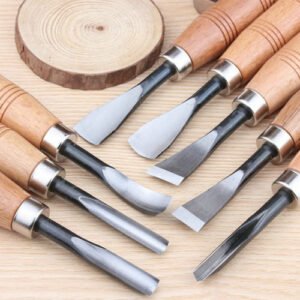
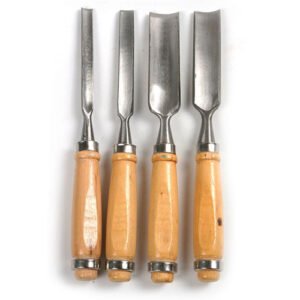
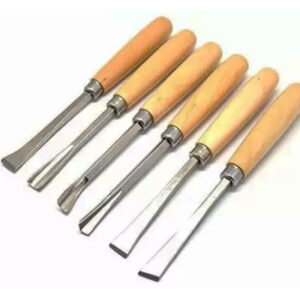
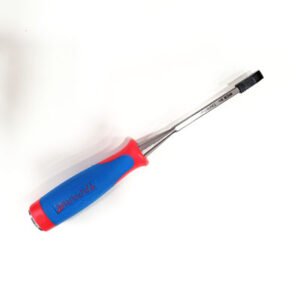


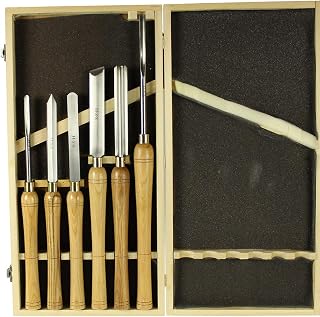


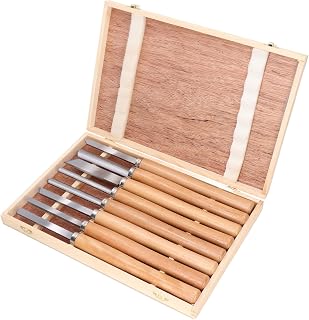
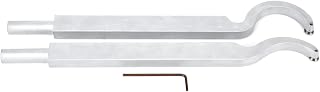

Chisels are essential hand tools for many workshop, construction and renovation tasks. They are commonly used to cut, shape, pare, trim or remove material with controlled force. In woodworking, a chisel can help create joints, refine edges and remove small amounts of timber. Other chisel types are designed for masonry, building work or specific cutting applications. Choosing a tool that matches the material and job is important for achieving predictable results.
This chisels hand tools category is suited to shoppers looking for practical equipment for workshop projects and general manual work. When comparing chisels, consider the material you plan to work on, the required cutting action and how frequently you expect to use the tool. A chisel intended for woodworking should not automatically be treated as suitable for masonry or other harder materials. Matching the tool to its intended application helps support safe and effective use.
Different chisel designs serve different purposes. Woodworking chisels are widely used for shaping timber, cleaning corners, preparing joints and refining surfaces. A bevel-edge chisel, for example, can be useful when working around joints and corners because of its shaped sides. Firmer chisels generally have a more substantial construction and can suit heavier woodworking tasks where additional durability is useful.
Masonry chisels are designed for compatible building materials and are used for tasks such as cutting, chasing or removing sections of masonry. Cold chisels can be used for suitable metal and masonry applications, depending on the tool's specification. Because these tools can be subjected to impact, always check the manufacturer's intended use before applying a hammer or other striking force.
Start by identifying the type of work you need to complete. A woodworking project may require a precision-oriented chisel, while renovation or masonry work can call for a more robust design. Selecting the appropriate type avoids using a tool outside its intended purpose.
The blade profile and cutting edge influence how a chisel performs. A sharp, properly maintained edge can provide cleaner cuts and better control. Look for a construction appropriate to the material and application, and follow recommended sharpening and maintenance practices.
Handle design matters when a project involves extended use. A comfortable grip can make controlled hand movements easier. For chisels designed for striking, the handle and overall construction should be appropriate for that method of use. Avoid striking chisels that are not specifically designed for impact.
Chisel width should correspond with the task. Narrow chisels can provide access to smaller areas, while wider blades can cover more surface during suitable trimming and shaping work. A workshop with several sizes can provide greater flexibility when project requirements vary.
Woodworking chisels are useful across carpentry, joinery, furniture projects and general timber work. They can help remove waste material, square corners, refine joints and perform detailed finishing work. For accurate results, work progressively rather than attempting to remove excessive material in a single pass. A suitable cutting edge and controlled technique can also help reduce unnecessary damage to the workpiece.
For Australian home workshops, selecting a practical range of chisel sizes can be useful when projects involve different joint dimensions or finishing requirements. Store chisels securely when they are not being used, and protect their cutting edges from contact with other tools.
Masonry and building applications require tools specifically designed for the material and method involved. These chisels can assist with tasks such as removing mortar, creating channels or breaking away suitable sections of masonry. Always confirm that the selected tool is rated for the intended material and impact method. Wear appropriate eye protection and other protective equipment for the task, particularly where chips or fragments may be produced.
Good maintenance helps keep hand tools ready for future projects. Keep blades clean and dry, inspect cutting edges regularly and sharpen woodworking chisels using an appropriate method when required. Do not continue using a damaged handle, badly deformed blade or tool that shows signs of unsafe wear. After use, store chisels where the cutting edges will not contact hard surfaces or other tools.
When shopping for chisels hand tools, focus on the application rather than choosing a tool based only on appearance or size. Consider the material, required precision, expected workload and whether the chisel is designed for hand pressure or striking. The right combination can help you approach woodworking, carpentry, renovation and compatible building tasks with greater control.
Explore the available chisel options through the category page and compare the tools that match your intended application. Before use, read the supplied product information and follow the manufacturer's instructions. With the appropriate chisel, suitable technique and proper maintenance, a simple hand tool can become a dependable part of an Australian workshop or project toolkit.
Find practical chisels hand tools for woodworking, carpentry, joinery, renovation and other hands-on projects. A suitable chisel can help you shape, trim, cut or remove material with greater control. Whether you are working on timber, masonry or another compatible material, selecting the right chisel for the task can make everyday work more manageable.