

♥ Wishlist


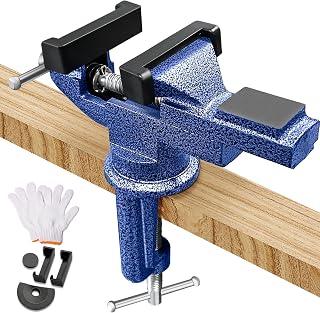


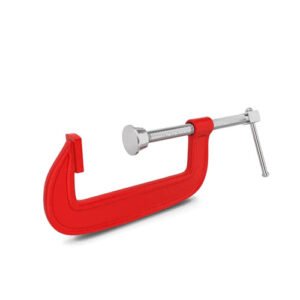
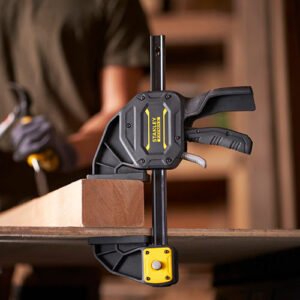
A clamp hand tool is designed to apply controlled pressure and keep materials securely in position. This makes clamps useful for a wide range of tasks, from holding timber during woodworking to stabilising components during repairs, assembly and maintenance. A suitable clamp can reduce unwanted movement and give you greater control while cutting, drilling, gluing, fastening or finishing a workpiece.
When choosing a clamp hand tool, consider the material you are working with, the available clamping space and the amount of pressure required. Different clamp designs suit different applications. A compact clamp can work well for smaller projects, while a larger clamp may provide the reach needed for wider boards or assemblies. Matching the clamp to the job helps you work more efficiently and reduces the need for improvised holding methods.
Woodworkers commonly use clamps when joining timber, positioning boards and allowing adhesives to set without unwanted movement. DIY users can also use clamps for furniture repairs, home improvement projects and general workshop tasks. A dependable hand clamp can act as an extra set of hands when you need to keep two or more pieces aligned.
For woodworking, pay attention to jaw capacity, throat depth and the shape of the contact surfaces. These factors affect how easily a clamp can reach the required area and hold the workpiece. Protective jaw surfaces can also be useful when working with finished timber or other materials where pressure marks may be a concern.
Clamping capacity refers to the maximum opening between the jaws. Measure the width or thickness of the material you expect to clamp and choose a suitable size. Extra capacity can provide flexibility for future projects, but an oversized clamp may be less convenient for small jobs.
Consider how firmly the workpiece needs to be held. Light-duty projects may only require modest pressure, while heavier assembly tasks can demand a more substantial clamping solution. Avoid applying excessive force to delicate materials, as too much pressure can cause damage or distortion.
A comfortable handle and straightforward adjustment mechanism can make repeated clamping easier. Look for a design that allows you to position the jaws accurately and apply pressure in a controlled manner. Smooth adjustment is particularly useful when several clamps are needed for one project.
Australian DIY enthusiasts, tradespeople and workshop users can benefit from keeping several clamp sizes available for different applications. A versatile selection can help with woodworking, maintenance, repairs and project assembly. Before purchasing, check the product specifications for dimensions, construction details and intended use so the clamp matches your requirements.
Storage is another practical consideration. Keeping clamps clean and organised helps protect their working components and makes it easier to select the correct size when needed. After use, remove dust, adhesive residue and other debris where appropriate, and store each clamp in a dry location according to the manufacturer's care guidance.
Always position a clamp so that pressure is applied securely and evenly. Check that the workpiece is supported before tightening. Keep fingers clear of moving parts and avoid using a clamp for an application beyond its intended capacity. When working with power tools, make sure the clamp and workpiece cannot interfere with the tool or its cutting path.
For delicate surfaces, consider using suitable protective material between the clamp jaws and the workpiece. This can help minimise marks while maintaining a secure hold. Recheck the clamp after positioning, particularly when the project involves vibration or extended working periods.
The right clamp can make everyday workshop tasks more manageable by keeping materials stable and helping maintain alignment. Consider your project requirements, material size and preferred adjustment method before selecting a clamp hand tool. Whether you are tackling a small home repair or a larger woodworking project, choosing a suitable clamp can provide useful support throughout the job.
Browse the Clamp Hand Tool category to compare available options and identify a clamping solution suited to your intended application. Check individual product specifications carefully before purchase, including dimensions, capacity and other listed features.
Clamp hand tools provide a simple way to hold, position and stabilise materials while you work. Whether you are completing woodworking, DIY repairs, assembly jobs or general workshop projects, the right clamp can help keep a workpiece steady and make tasks easier to control. Explore clamp hand tools for practical use around Australian homes, workshops and job sites.