

♥ Wishlist
Compare 9 Battery And Charger products in Australia. Reviews, ratings, pros, cons and buying advice updated for October 2026.
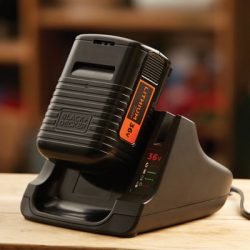
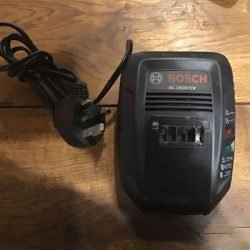
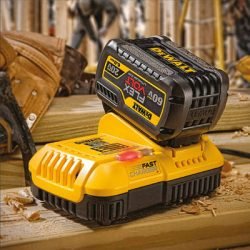

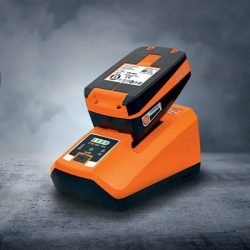
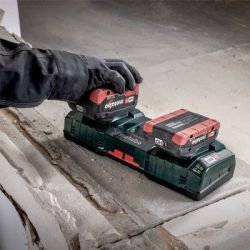
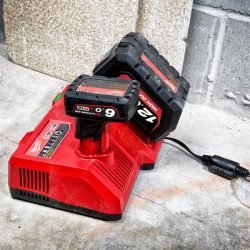


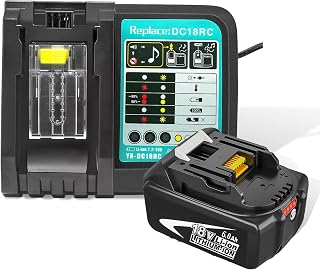
![[Battery & Charger Combo] 40V & 36V Replacement Battery and Charger for Ryobi Cordless Power Tools High Capacity & Reliable Performance](https://m.media-amazon.com/images/I/51GXE1h-GHL._AC_UL320_.jpg)

Advanced battery and charger systems have become an important part of modern cordless power tool ownership. The battery is no longer simply a replaceable power source: the battery chemistry, cell configuration, electronic controls, charger architecture and tool platform can all influence runtime, charging behaviour, power delivery, service life and overall ownership cost.
For Australian buyers, the right solution should be assessed as a complete ecosystem rather than by battery capacity alone. A high-capacity battery may provide longer runtime, but it can also add weight and cost. A rapid charger can reduce downtime, but charging speed should be considered alongside battery temperature, charging requirements and the manufacturer's recommendations. Compatibility is equally important because most cordless power tool batteries are designed around specific proprietary platforms.
Brands such as Makita, DeWalt, Milwaukee, Bosch, Ryobi, HiKOKI, Metabo, Festool and EGO offer different approaches to cordless power systems. The most suitable option depends on the tools you already own, the work you perform, how frequently you use them and whether you intend to expand the platform over time.
Most current cordless power tools use lithium-ion battery technology because it provides a useful combination of energy density, power delivery and relatively low weight. However, simply seeing "lithium-ion" on a specification sheet does not tell you everything about battery performance.
Different battery packs can use different cell formats, cell arrangements, electronic management systems and thermal-management approaches. Two batteries with similar nominal voltage and amp-hour ratings can therefore behave differently under demanding loads.
Amp-hours, commonly abbreviated as Ah, indicate electrical capacity under specified conditions. In general terms, a higher Ah rating means the battery can store more energy within the same voltage platform.
Ah should not be treated as a universal runtime guarantee. Actual runtime depends on the tool, load, operating technique, material, ambient conditions and battery design.
Battery voltage is one of the most important compatibility considerations. A battery designed for one voltage platform should not be assumed to work with another platform simply because the connector appears similar.
Manufacturers frequently build entire tool ecosystems around particular battery architectures. Before purchasing an additional battery, verify the exact platform and compatibility information provided by the manufacturer rather than relying on physical appearance alone.
Some advanced batteries are designed to provide higher current delivery than conventional packs. These batteries can be particularly relevant for demanding tools such as grinders, circular saws, reciprocating saws, rotary hammers and high-output outdoor equipment.
High-output technology can involve cell selection, electrical configuration, thermal management and communication between the battery and tool. Consequently, a battery with a larger capacity is not automatically the best choice for a high-demand tool.
Before comparing charging speed, capacity or price, confirm compatibility. Cordless battery ecosystems are generally platform-specific, and mixing batteries and chargers from unrelated systems can be unsafe or simply impossible.
This is particularly important when buying through multiple retailers or building a cordless collection gradually. A cheaper battery is not necessarily a bargain if it requires a separate charger or cannot be used with the tools you already own.
Charging speed can be one of the most useful upgrades for people who rely heavily on cordless equipment. A faster charger can reduce the period between work sessions, but charging speed should be evaluated in relation to battery capacity and the manufacturer's charging system.
A charger should therefore be selected according to your workflow rather than simply choosing the fastest specification available.
Modern battery systems can incorporate electronic controls that monitor charging conditions and communicate information between the battery, charger and tool. Depending on the platform, this can help manage charging current, temperature and other operating parameters.
Battery-management electronics are important because lithium-ion cells require controlled charging. A sophisticated charger is designed to work with its intended battery system rather than treating every rechargeable pack as interchangeable.
For commercial or frequent users, features such as charging status indicators, temperature monitoring, charge management and platform-specific battery diagnostics can be more useful than a simple headline charging-time figure.
Australia presents a wide range of operating environments, from cool southern regions to very hot conditions in inland and northern areas. Battery temperature can affect charging and operation, making thermal management an important consideration for demanding users.
Heat can place additional stress on rechargeable battery cells. Users should follow the manufacturer's instructions regarding acceptable operating and charging temperatures and avoid charging a battery that is excessively hot from recent heavy use until the manufacturer's recommended conditions are met.
Runtime is one of the most commonly searched battery specifications, but advertised capacity should not be interpreted as an exact number of minutes of tool operation.
Runtime changes according to workload. Driving small screws places a different demand on a battery than cutting hardwood with a circular saw. Grinding, drilling masonry and continuous sawing can produce substantially different energy consumption from intermittent light-duty use.
For a meaningful comparison, look at the complete combination of battery capacity, tool type, expected workload and number of batteries available.
A larger battery can increase runtime while also changing the balance of the tool. For equipment used at shoulder height, above the head or in awkward positions, additional battery weight can become a significant consideration.
For drills and impact drivers, a compact battery may be preferable for repetitive fastening. For a high-demand saw used on long cuts, a larger battery may make more sense if the additional weight does not interfere with control.
When comparing advanced battery systems, consider the battery and tool as one working unit. The best battery is not necessarily the one with the highest Ah rating; it is the one that delivers the appropriate combination of runtime, power and handling for the application.
If you expect to buy several cordless tools, the battery platform can be more important than the first battery purchase. Once you own several compatible tools and batteries, staying within one ecosystem can reduce the need to purchase additional chargers and duplicate battery systems.
For example, someone building a workshop may want one platform covering drills, impact drivers, saws, grinders and lighting. A homeowner may prioritise a platform that also includes garden equipment. A professional tradesperson may place greater emphasis on high-output batteries, rapid charging and the availability of specialised tools.
Several established manufacturers have developed broad cordless platforms. The important point is not to assume that one brand is universally superior. Each ecosystem has its own tool range, battery formats, charging options, ergonomics and intended users.
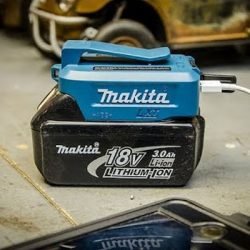
Makita has a broad cordless tool ecosystem covering construction, workshop and outdoor applications. Buyers comparing Makita batteries should pay close attention to the exact platform generation, battery capacity and tool compatibility rather than treating all Makita batteries as equivalent.
DeWalt offers cordless systems spanning compact tools through higher-demand equipment. When comparing DeWalt batteries and chargers, consider whether your tools benefit from compact packs, higher-capacity batteries or higher-output designs.
Milwaukee's cordless range includes a wide variety of professional-oriented tools. Buyers should consider the battery family alongside the intended tools, particularly when comparing compact packs with higher-output options for demanding applications.
Bosch offers cordless systems across different tool categories. Compatibility is especially important because different Bosch battery platforms should not be assumed to be interchangeable solely because they carry the same brand name.
Ryobi is notable for broad cordless product coverage that can appeal to users who want one battery ecosystem spanning workshop, household and outdoor equipment. Buyers should still confirm exact platform compatibility before purchasing batteries or chargers.
HiKOKI's cordless systems include tools aimed at demanding applications. Battery selection should be based on the combination of tool requirements, output characteristics, capacity and ergonomics rather than capacity alone.
Metabo provides cordless equipment for workshop and trade applications. Users comparing its battery solutions should examine platform compatibility and whether the selected battery is appropriate for the power requirements of the tools being used.
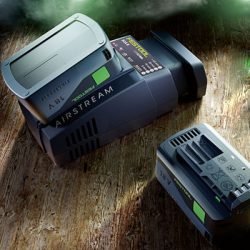
Festool places considerable emphasis on integrated cordless systems and professional workflow. Buyers should assess the complete system, including batteries, chargers and tool compatibility, rather than purchasing an isolated battery based only on capacity.
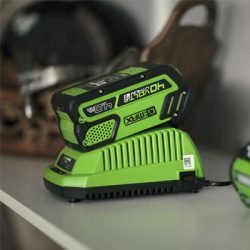
EGO focuses heavily on cordless outdoor power equipment. For lawn and garden applications, battery capacity, power delivery, weight and charging strategy can all influence the suitability of a particular solution.
One large battery is not always more useful than several smaller or medium-capacity batteries. A multi-battery setup can provide greater flexibility because one pack can be in use while another is charging.
For frequent users, battery rotation can be a more practical way to reduce downtime than buying the largest available battery. Conversely, users who perform short jobs may prefer one compact battery that keeps the tool light.
Not all chargers offer the same user experience. When comparing advanced charging solutions, examine the complete specification rather than focusing solely on the advertised charging time.
Multi-port chargers can be useful for people managing several batteries, particularly when a cordless tool collection is used throughout the day. However, the number of ports alone does not establish how quickly all connected batteries will charge.
Check whether a multi-port charger charges batteries simultaneously, sequentially or according to another charging strategy. Also consider how many batteries you normally need to replenish during a typical work session.
A dedicated charging area can make a cordless tool collection easier to manage. Keeping batteries and chargers in a consistent location reduces the chance of misplaced packs and makes it easier to maintain a predictable charging routine.
Battery safety should be treated as a core buying and ownership consideration. Rechargeable lithium-ion packs contain significant stored energy, so damaged, modified or incorrectly charged batteries can present hazards.
Australian buyers should consider whether electrical products are intended for the Australian market and whether the charger is supplied in an appropriate configuration for local use. Electrical equipment should be suitable for Australia's electrical environment and comply with applicable Australian requirements.
When purchasing through online marketplaces or international sellers, check the exact product variant, charger configuration, documentation and local compliance information. A product that looks identical to an Australian-market version may have different electrical specifications or accessories.
Good storage habits can help protect batteries from unnecessary environmental and physical stress. Always prioritise the manufacturer's storage instructions because recommended conditions can differ between battery systems.
Rechargeable batteries gradually lose usable capacity through normal use and age. A battery that once powered a tool for a long period may eventually require more frequent charging.
Signs that a battery may need attention include noticeably reduced runtime, abnormal heating, physical damage, unexpected shutdowns or charging behaviour that differs from normal operation. Any battery showing physical damage or unusual behaviour should be handled according to the manufacturer's safety guidance.
The highest-capacity battery can add weight and expense without providing meaningful benefits for light-duty applications. Match capacity to workload instead.
Starting a second battery ecosystem can become expensive if you already own several compatible tools from another manufacturer. Consider future purchases before committing to a new platform.
Always verify the charger and battery relationship. Brand matching alone is not sufficient when a manufacturer has multiple battery families.
Rapid charging is useful, but it may be unnecessary for occasional DIY use. A slower charger paired with additional batteries can sometimes provide a more practical workflow.
A heavy battery may be excellent for runtime but uncomfortable on a compact drill or overhead tool. Ergonomics should be evaluated alongside capacity.
Ah is only one specification. Tool compatibility, output capability, cell architecture, thermal management, charging system and physical dimensions can all matter.
A useful comparison should go beyond price and Ah rating. Create a shortlist and assess each option against the same criteria.
A more advanced battery and charger setup can make sense when cordless tools are central to your work. Professional tradespeople, contractors, maintenance workers, serious DIY users and frequent outdoor-equipment users may benefit more from higher-capacity or higher-output systems than occasional users.
The value proposition becomes particularly strong when reduced downtime, consistent tool performance and compatibility across many tools matter more than achieving the lowest initial purchase price.
Not every user needs the most sophisticated charging system. Someone who uses a drill for occasional household repairs may gain little from purchasing several high-capacity batteries and an advanced rapid charger.
A compact battery, one compatible charger and a small number of appropriate cordless tools may provide a better balance of cost, convenience and portability for light-duty work.
Professional users typically need to consider battery systems as part of a productivity workflow. They may place greater value on multiple batteries, charging rotation, high-output packs, robust tool ecosystems and predictable availability.
DIY users can often prioritise lower weight, reasonable capacity and platform flexibility. The right choice depends on how frequently tools are used and whether the collection is likely to expand.
If you are starting from scratch, choose the platform based on the tools you expect to use over several years rather than selecting the first battery that happens to be discounted.
Online listings can contain variations in battery size, charger configuration and regional packaging. Before placing an order, carefully read the complete listing and compare it with the manufacturer's specifications.
For an expensive cordless tool collection, battery quality deserves particular attention. Batteries contain cells and electronic protection systems that must operate correctly with the intended tool and charger.
Unverified replacement packs can create compatibility, performance and safety uncertainties. When comparing alternatives, check the manufacturer's guidance regarding genuine batteries, approved replacements and compatible charging equipment.
The purchase price of a battery is only part of the long-term cost. A platform may appear inexpensive initially but become less economical if you later need multiple chargers or duplicate battery families.
Consider the likely number of tools, batteries and chargers you will own over time. A platform with a broad selection of compatible tools can potentially reduce duplication because one battery ecosystem can support multiple devices.
Some modern cordless systems incorporate additional electronic features beyond basic battery protection. Depending on the manufacturer and product family, these may include tool-to-battery communication, temperature monitoring, charge-status information, performance management and connected diagnostics.
These features can be useful, but they should be evaluated according to actual needs. A sophisticated feature is valuable when it solves a genuine problem in your workflow; it should not automatically justify a higher purchase price.
Compactness is often particularly important for drills and impact drivers. These tools are frequently used with one hand, at awkward angles or for repetitive fastening. A lightweight battery can improve handling even when it provides less total runtime.
For intensive fastening, however, a larger or higher-output battery may be appropriate if the tool is designed to take advantage of it. Compare balance, capacity and power requirements rather than selecting a battery solely by Ah.
Saws can place substantially greater demands on batteries than light-duty fastening tools. For users who frequently cut timber, sheet material or other demanding materials, battery output and thermal management can become important alongside capacity.
Large batteries may provide useful runtime, but the additional weight should be considered because saw control and repeated handling remain important.
Angle grinders and similar high-load tools can consume substantial battery energy during demanding work. When comparing batteries for grinders, look for a platform and battery combination explicitly designed for the tool's requirements.
Capacity, output capability, thermal behaviour and user handling should all be considered. For intensive grinding, having multiple compatible batteries can also be more practical than relying on one very large pack.
Cordless lawn and garden equipment can have different battery priorities from workshop tools. Lawn mowers, blowers, line trimmers and other outdoor equipment can require substantial energy, making capacity and battery interchangeability particularly relevant.
If you intend to use both power tools and outdoor equipment, investigate whether a platform actually covers the categories you need. Do not assume that batteries from similarly branded product ranges are automatically interchangeable.
A clear battery-status indicator can be useful when planning work. Charge indicators may help users decide whether to replace a battery before beginning a demanding task.
However, indicator lights generally provide an estimate of remaining charge rather than a precise prediction of tool runtime. Load, temperature and tool type can affect how long the remaining energy will last.
The best way to maximise value is often to buy according to your actual workload rather than collecting batteries indiscriminately. Match compact packs to lightweight tools, reserve high-capacity batteries for equipment that genuinely benefits from longer runtime, and choose charging equipment according to the number of batteries you need to cycle through.
It is also worth considering the future tool collection before purchasing a new platform. A battery ecosystem becomes more valuable when the same chargers and batteries can support several useful tools.
There is no single best solution for every Australian buyer. The right combination depends on the cordless tools you use, required runtime, battery weight, charging frequency, workload and existing battery platform. A professional using high-demand equipment may need a very different system from a homeowner performing occasional repairs.
No. A higher Ah rating generally indicates greater capacity, but it can also mean increased weight and cost. For compact tools and overhead work, a smaller battery may be more comfortable. High-capacity batteries become more attractive when extended runtime is a priority.
No. Use a charger designed and approved for the specific battery system. Battery charging is controlled electronically, and compatibility should be confirmed through the manufacturer's specifications.
No. Manufacturers can offer multiple battery platforms, voltages and generations. Always check the exact compatibility information for the battery, charger and tool.
They can be worthwhile for frequent users who need to minimise downtime. For occasional DIY use, a standard charger may be entirely adequate, particularly when you have enough batteries to complete normal tasks.
It depends on your workflow. Several batteries can provide a useful charging rotation, while one large battery can reduce the number of packs you need to manage. Tool weight and expected workload should influence the decision.
Follow the manufacturer's storage instructions and keep batteries in a dry, suitable environment away from excessive heat, physical damage and conductive objects. Long-term storage requirements can vary between battery systems.
Do not continue using a battery that is visibly damaged or behaving abnormally. Follow the manufacturer's safety instructions and use an appropriate battery-recycling or disposal service rather than placing the battery in ordinary household waste.
Not necessarily. Even when a battery is compatible, a larger pack can affect tool balance and handling. Match battery size and output to the tool and application.
Check the exact model number, battery capacity, platform compatibility, included accessories, charger configuration, manufacturer specifications and intended market. This is especially important when listings come from different sellers or marketplaces.
The strongest advanced battery and charger solution is the one that fits the complete working system rather than the one with the most impressive individual specification. Battery capacity, output, charging speed, thermal management, weight, compatibility and future expandability all contribute to the ownership experience.
For Australian buyers in 2026, start with the tools you actually use and the jobs you expect to perform. Then choose the battery platform, capacity and charger that support those requirements. Compare specifications carefully, verify compatibility before purchasing, consider the long-term cost of expanding the system, and prioritise genuine compatible equipment and responsible battery handling.
When comparing the top options in this category, use the same criteria for every product: compatibility, capacity, output capability, charging performance, ergonomics, safety considerations, ecosystem flexibility and overall value. This approach makes it easier to identify a battery and charger combination that remains useful well beyond the initial purchase.