

♥ Wishlist
Compare 39 Generic Battery and Charger products in Australia. Reviews, ratings, pros, cons and buying advice updated for October 2026.


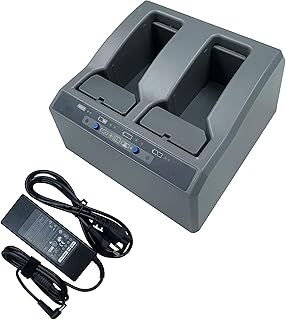


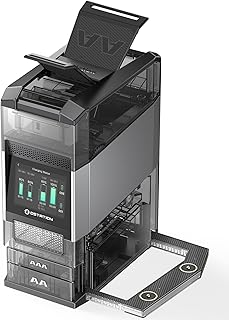


Choosing an advanced battery and charger solution is less about finding the highest capacity or the most powerful charger and more about matching the complete charging system to the tools, work patterns and conditions in which it will be used. For Australian buyers, compatibility, charging behaviour, heat management, battery chemistry, connector design and long-term practicality deserve particular attention.
Generic or cross-compatible battery solutions can be attractive when they offer useful capacity and charging flexibility at a lower cost than a complete proprietary ecosystem. However, buyers should distinguish between a genuinely compatible replacement and a battery or charger that merely appears to share the same voltage or connector. Electrical compatibility, physical fit and the battery management system all matter.
This guide expands the buying criteria behind advanced battery and charger solutions so you can compare specifications more intelligently, identify potentially unsuitable combinations and choose equipment that fits your existing power-tool setup.
An advanced battery and charger combination typically goes beyond basic energy storage and simple charging. Useful characteristics can include intelligent battery management, temperature monitoring, controlled charging rates, cell balancing, overload protection, efficient power conversion and clear status indicators.
The charger and battery should be considered as one system. A high-capacity battery paired with an unsuitable charger can be less useful than a moderately sized battery with an appropriately matched charging platform. Likewise, a fast charger is not automatically the best choice if the battery chemistry, operating environment or manufacturer's specifications do not support the charging profile.
Battery chemistry affects energy density, weight, charging characteristics, storage requirements and overall system behaviour. Modern cordless power tools commonly use lithium-ion technology because it can provide substantial energy from a relatively compact pack.
However, lithium-ion is a broad category rather than a single specification. Different cell types and pack designs can have different current capabilities, thermal characteristics and expected operating behaviour. A buyer should therefore avoid selecting a replacement battery solely because a listing states “lithium-ion”.
Lithium-ion packs are widely used across cordless drills, impact drivers, saws, grinders, sanders and other portable power tools. Their comparatively high energy density makes them practical for applications where weight and runtime both matter.
When comparing lithium-ion options, examine the rated voltage, amp-hour capacity, physical dimensions, connector arrangement and stated compatibility. A higher amp-hour figure can provide more stored energy, but it may also increase pack size and weight.
The battery management system is particularly important in multi-cell packs. It can monitor electrical and thermal conditions and help keep the pack operating within its intended limits. Some power-tool platforms also use communication between the battery and tool or charger, meaning a physically compatible pack may not necessarily provide full functionality.
Voltage and capacity are often confused when comparing cordless batteries. They describe different characteristics.
A simplified comparison is that watt-hours can be estimated by multiplying nominal voltage by amp-hours. Real-world runtime is not determined by this calculation alone because tool load, battery condition, temperature, cell characteristics and operating technique all affect energy consumption.
Higher capacity is useful when longer operating periods are important, but it is not universally better. A compact battery can make a drill or impact driver easier to handle overhead, while a larger pack can be advantageous for high-demand tools such as grinders, circular saws and reciprocating saws.
Consider the tool's physical balance as carefully as the stated capacity. A battery that provides additional runtime but makes a frequently used tool uncomfortable can reduce productivity over a full working day.
Fast charging can reduce downtime, but charging speed should never be evaluated in isolation. The actual charging rate depends on the charger, battery design, temperature, state of charge and charging controls.
Many batteries charge rapidly during part of the charging cycle and then reduce the charging rate as they approach full capacity. Consequently, a charger advertised as high-output does not necessarily mean every battery will charge from empty to full at that same rate.
Australian buyers should pay close attention to charger input specifications. A charger intended for another electrical market may have different mains requirements, plug configuration or certification considerations.
Check the input voltage and frequency printed on the charger or supplied documentation before purchase. A plug adapter only changes the physical connection; it does not automatically make an electrically incompatible charger suitable for Australian mains power.
For products intended for use in Australia, buyers should also consider whether the electrical product is appropriately approved or compliant for the Australian market. This is particularly important for mains-powered charging equipment rather than battery packs themselves.
One of the most important decisions is whether to remain within an established manufacturer ecosystem or consider a generic or replacement battery.
Established power-tool ecosystems from brands such as Bosch, Makita, DeWalt, Milwaukee and Ryobi can offer integrated batteries, tools and chargers designed to operate together. A generic alternative should therefore be evaluated against the exact requirements of the existing platform rather than simply against the brand name.
Before ordering any replacement or generic battery, work through the following checklist.
A battery that slides into a tool and locks into place is not necessarily electrically suitable. Modern cordless tools can incorporate protection electronics, battery identification and communication protocols that influence how the tool operates.
This is one of the most important considerations when assessing generic batteries. Avoid treating identical-looking housings as proof of compatibility. The correct comparison should include the tool model, battery specification, electrical characteristics, terminals and any electronic requirements.
If you own several cordless tools, a charger capable of supporting the batteries you actually use can be more valuable than simply choosing the fastest charger available.
Consider how many batteries need to be ready during a typical work session. A single charger may be sufficient for occasional DIY use, whereas a tradesperson or workshop user may benefit from a charging arrangement that allows multiple packs to be charged in rotation.
Charging speed and battery longevity should be considered together. Battery temperature, charging current, storage conditions and usage patterns can influence battery ageing. A buyer who values long-term service life should follow the charging and storage instructions supplied for the specific battery system rather than assuming that the fastest available charger is always the ideal choice.
For frequent professional use, it can make sense to compare the overall charging workflow rather than just the advertised charging time. Having multiple appropriately matched batteries may reduce the need to repeatedly recharge a single pack during intensive work.
Australia's climate makes heat management particularly relevant for cordless equipment. Batteries and chargers should not be treated as interchangeable with ordinary consumer electronics that can simply be left in direct sunlight or inside a hot vehicle.
High temperatures can affect battery performance and charging behaviour. A sensible storage and charging location should be dry, reasonably ventilated and protected from unnecessary heat. Always follow the battery manufacturer's specified temperature and storage guidance.
Published capacity provides a useful comparison point, but runtime depends heavily on the application. A cordless drill driving small screws may consume considerably less energy than the same battery powering a grinder under sustained load.
Tool efficiency, material hardness, accessory choice, trigger usage, work technique and ambient temperature can all affect how quickly a battery is depleted. This means runtime claims should be treated as application-dependent rather than universal.
When comparing products, ask what type of work the battery will perform most often. If the primary application involves short bursts of work, compact packs may provide a better overall experience. If the tool is used continuously under heavy load, additional capacity may be more important.
Specifications are useful, but they should be assessed for completeness and credibility. A strong product listing should clearly identify the battery voltage, capacity, compatibility and relevant charging requirements.
A large Ah number can look attractive, but capacity is only one part of the equation. A physically bulky battery may be inconvenient, and the tool may not be designed to take advantage of every replacement pack.
Voltage is essential, but it does not prove compatibility. Physical fit, terminals, electronics and charger requirements also need to match.
The charger should be selected for the battery system. Do not assume that a high-output charger is suitable for every battery with the same nominal voltage.
Australian mains compatibility should be verified before purchasing imported charging equipment.
More energy can mean more weight. For drills, impact drivers and tools used overhead, balance can matter as much as runtime.
If you already own several cordless tools, staying within a compatible battery platform can simplify charging and reduce the number of battery types you need to manage.
Generic batteries can be particularly appealing when an older cordless tool remains mechanically sound but its original battery has become difficult to source. Before replacing it, compare the original battery's voltage, chemistry, capacity, physical configuration and charger requirements.
For older tools, the charger deserves just as much attention as the replacement pack. A new battery should not automatically be paired with an old charger unless compatibility is explicitly established.
The best battery solution depends strongly on workload.
Occasional users often benefit from compact batteries, straightforward charging and a sensible balance between cost, runtime and weight. If tools are used infrequently, storage and charge-management requirements can be more important than maximum charging speed.
Professional users may place greater emphasis on high current delivery, dependable compatibility, rapid turnaround, multiple batteries and robust charging arrangements. A battery ecosystem that supports several frequently used tools can also reduce logistical complexity.
Workshop users may value multiple charging positions, organised battery storage and a consistent platform across drills, saws, sanders and other equipment.
Battery selection affects how a cordless tool feels during use. The same tool can have noticeably different balance characteristics depending on the battery pack attached to it.
For repeated precision work, an unnecessarily large battery can increase fatigue. Conversely, a small battery may require frequent changes when powering a high-demand tool. The best choice therefore depends on the relationship between energy capacity, tool balance and work duration.
Good battery care begins with following the instructions supplied with the specific product. Avoid improvising charging arrangements or using incompatible chargers.
When building a shortlist of advanced battery and charger solutions, use a consistent comparison framework rather than relying on headline specifications.
Customer feedback can be useful, but buyers should read reviews for specific evidence rather than relying on an overall star rating. Pay particular attention to recurring comments about compatibility, charging behaviour, physical fit, battery capacity, heat and long-term use.
A review saying a battery “works great” provides less buying information than a detailed review identifying the exact tool model, battery capacity and charger used. When comparing generic solutions, compatibility-specific feedback is particularly valuable.
Good technical information should make comparison easier. Be cautious when a listing uses extensive marketing language but provides little engineering information.
If several of your tools use the same proprietary platform, replacing individual batteries with unrelated generic solutions may create additional compatibility and charging complications. In such cases, staying with the established ecosystem can offer practical advantages.
Brands such as Bosch, DeWalt, Makita, Milwaukee and Ryobi have extensive cordless tool ecosystems, but compatibility still needs to be checked within the relevant platform and voltage range. Brand ownership alone does not establish that every battery, charger and tool is interchangeable.
A generic battery or charger can make sense when the technical specifications are clear, compatibility is properly established and the solution addresses a genuine need. Examples can include replacing a depleted battery for an older tool or adding an additional compatible pack for a tool that is already part of your setup.
The strongest case is one where the buyer can independently verify the critical specifications instead of relying entirely on a broad compatibility statement.
Lithium batteries store significant amounts of energy and should be handled responsibly. Never use a visibly damaged battery or attempt improvised repairs to cells, protection circuits or charging electronics.
If a battery becomes unusually hot, develops visible swelling, emits an unusual odour, leaks or behaves abnormally, discontinue use and follow the manufacturer's safety guidance. Do not attempt to bypass protection electronics or construct charging arrangements from incompatible components.
There is no single best option for every Australian buyer. The right choice depends on the tool platform, voltage, required runtime, charging requirements, physical size, workload and budget. Exact compatibility should be verified before purchase.
Safety depends on the design, quality, compatibility and condition of the battery and its charging system. A generic battery should not be considered safe merely because it fits a particular tool. Verify the specifications and use a charger designed for that battery.
Only when the battery is explicitly compatible with the tool. A higher Ah rating can provide additional stored energy, but compatibility, physical fit, electrical characteristics and manufacturer specifications remain essential.
No. Charging speed depends on the battery's design, charging requirements, temperature, state of charge and the charger itself. A high-output charger does not automatically make every compatible-looking battery charge at maximum speed.
No. Higher capacity can extend runtime but may increase weight and size. For compact drills and overhead applications, a smaller battery may offer better handling.
Check the exact tool model, nominal voltage, mounting system, connector arrangement and electronic compatibility. Do not rely solely on photographs or a general statement that the battery “fits” a particular brand.
For proprietary systems, using the manufacturer's compatible batteries and chargers can simplify compatibility. Generic alternatives can be considered when their technical specifications and compatibility are clearly established.
Check the charger's input voltage and frequency, plug configuration and suitability for the Australian electrical environment. A physical plug adapter does not convert an electrically incompatible charger into an appropriate Australian charger.
Follow the storage instructions supplied with the specific battery. In general, protect packs from excessive heat, moisture, physical damage and unsuitable charging conditions.
There is no universal replacement interval. Battery life depends on chemistry, usage frequency, charging practices, operating conditions and storage. Replace a pack when its performance has deteriorated substantially or when it shows signs of damage or abnormal behaviour.
Before choosing one of the advanced generic battery and charger solutions considered for 2026, verify the following:
For an independent Australian buying guide, the most useful comparison is not simply a ranking based on one specification. Battery capacity, charging performance, compatibility, ergonomics, protection features, documentation and overall practicality should all be considered together.
Product specifications and customer feedback can change during 2026, so buyers should confirm the current technical details, included accessories, compatibility information and current price before ordering. Where several options meet the basic requirements, choose the solution that best fits your actual tools and workload rather than automatically selecting the largest battery or fastest charger.