

♥ Wishlist
Compare 21 Corded Drilling Presses for Precise Workshop Drilling products in Australia. Reviews, ratings, pros, cons and buying advice updated for October 2026.


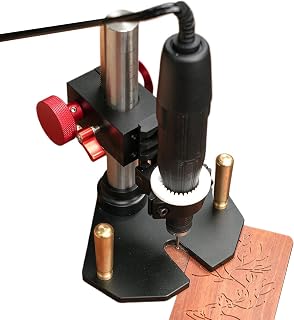
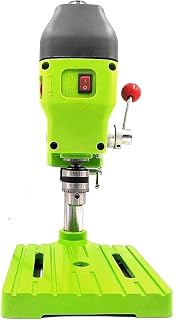


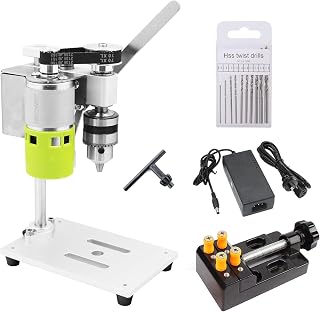

Choosing an advanced corded drilling press involves more than comparing motor wattage or the headline drilling capacity. For Australian buyers, the better choice depends on the type of material being drilled, the diameter and depth of the holes, the frequency of use, available workshop space, spindle-speed requirements, and the level of control needed for repeatable work.
A corded drilling press can be particularly useful when consistent alignment, controlled spindle movement and repeatable hole placement matter more than portability. Unlike a handheld drill, a bench or floor-mounted drilling press keeps the spindle and drill bit aligned with the workpiece while the operator controls the feed. This can make repetitive drilling considerably easier and can improve consistency when the machine is correctly set up.
When comparing advanced models, look beyond marketing terminology. Examine the actual spindle-speed range, chuck capacity, quill travel, throat depth, table adjustment, motor characteristics, construction quality, speed-changing method and compatibility with the accessories you expect to use.
The term “advanced” does not refer to one universal specification. In practice, an advanced corded drilling press generally combines stronger construction and more comprehensive adjustment options than a basic entry-level machine.
Motor power provides useful context, but it should not be treated as the sole measure of drilling performance. A machine with a powerful motor can still be unsuitable if its transmission, spindle, bearings, table or overall construction does not match the intended workload.
Consider the materials you expect to drill and the largest practical drill-bit sizes you will use. For occasional light workshop tasks, maximum motor output may be less important than controllability and ease of adjustment. For demanding repeated drilling, sustained performance and mechanical rigidity become more significant.
Speed selection is one of the most important technical considerations. Small-diameter bits generally require higher rotational speeds than large-diameter bits, while harder materials often require more conservative speeds than softer materials.
A wide speed range therefore gives an advanced drilling press greater flexibility. Check how the machine changes speed rather than looking only at the minimum and maximum numbers. Traditional belt-and-pulley systems can provide dependable mechanical adjustment, while other designs may offer different approaches to speed control.
Always follow the drill-bit and machine manufacturer's recommended speed limits. The correct speed depends on factors such as bit diameter, bit design, material and cutting conditions.
Chuck capacity determines the range of compatible drill-bit shank sizes. A larger chuck does not automatically make a drilling press better, but it can provide greater flexibility for users who work with a wider selection of tooling.
Check both the stated chuck range and the type of chuck supplied. Keyed and keyless designs have different operating characteristics, and compatibility with replacement chucks or accessories can be worth considering for long-term ownership.
Quill travel indicates how far the spindle can descend during operation. This matters when drilling deeper holes or when you need consistent depth across multiple workpieces.
A machine with a useful depth stop can be particularly valuable for production-style workshop tasks. When comparing models, consider actual usable travel rather than assuming that a larger-looking machine necessarily provides greater drilling depth.
Throat depth describes the distance between the spindle centreline and the column. It affects how far a workpiece can extend from the column while remaining positioned under the drill.
This specification becomes important when drilling holes away from the edge of larger boards, plates or other workpieces. If most of your work involves small components, an extremely large throat may offer little practical benefit.
The work table is a major part of the drilling system, not simply a platform for holding material. Look at its dimensions, height adjustment, tilt capability, locking mechanism and available mounting points.
A table that locks securely is particularly important because movement during drilling can affect accuracy and safety. Buyers who frequently work with irregular or large components should also consider whether the table arrangement leaves enough clearance around the column and spindle.
A depth stop can transform a drilling press from a basic drilling machine into a much more repeatable workshop tool. It allows the operator to establish a consistent drilling depth rather than judging each hole manually.
This is especially useful when making multiple holes to the same depth, preparing joinery, installing hardware or performing repetitive fabrication tasks.
Bench drilling presses are generally suited to workshops where floor space is limited. They can provide many of the essential functions of a larger machine while occupying a smaller footprint.
The main consideration is the supporting bench. The bench needs to be sufficiently strong and stable to support the machine without excessive vibration or movement. A lightweight or unstable work surface can undermine the advantages of a rigid drilling press.
Floor-standing drilling presses are useful when greater working height, larger workpieces or a more permanent workshop installation are priorities. Their larger footprint can provide a more substantial working platform, although this comes with additional space requirements.
Before choosing a floor model, measure the available workshop area, including clearance around the machine. Remember to account for the operator's working position, the movement of larger workpieces and access to the power switch.
The column supports the drilling head and contributes substantially to machine rigidity. A robust column can reduce unwanted movement, particularly when drilling larger holes or applying controlled feed pressure.
A substantial base helps keep the machine stable. Look for a base that provides a sensible balance between footprint, mounting options and available work area.
For workshop use, mounting holes or other provisions for securing the machine can be useful. The exact installation method should always follow the manufacturer's instructions.
Spindle stability is critical to drilling accuracy. Excessive play or movement can affect hole alignment, increase vibration and reduce the quality of the finished hole.
When assessing specifications, pay attention to the manufacturer's description of the spindle assembly and bearing arrangement. Avoid assuming that a larger motor compensates for inadequate mechanical support.
Adjustment mechanisms should allow the table to be positioned accurately and then locked securely. Poorly controlled adjustments can become frustrating when the machine is used for repetitive or precision-oriented work.
Woodworking applications can include pilot holes, clearance holes, countersinking and larger-diameter boring operations. The required setup depends heavily on the type of wood and cutting accessory being used.
For timber work, useful table adjustment and a reliable depth stop can be more valuable than simply choosing the highest-powered motor. A machine should also provide enough clearance for the workpieces you routinely handle.
Metal drilling places greater emphasis on controlled speed, rigidity and secure workholding. Drill bits should be selected for the specific metal, and cutting speeds should follow appropriate tooling guidance.
Never rely on holding a metal workpiece by hand when the drilling operation could cause it to catch or rotate. A suitable vise or approved workholding arrangement can help keep the material controlled.
Plastics and composites can behave differently from both timber and metal. Excessive speed or unsuitable tooling can produce melting, chipping or poor hole quality.
Users should consider whether the drilling press provides sufficient speed adjustment to accommodate the material and drill-bit combination.
One of the most important differences between casual drilling and controlled drilling is how the workpiece is secured. A drilling press does not eliminate the need for proper workholding.
For buyers comparing machines, consider whether the table accommodates the type of vise or clamps you already use. Accessory compatibility can have a major effect on practical usefulness.
Different drilling presses approach speed adjustment in different ways. A conventional pulley system may require stopping the machine and changing belt positions, while other machines use alternative speed-control mechanisms.
Neither approach should automatically be considered superior. The important question is whether the available speed settings cover the work you intend to perform and whether the adjustment process is convenient enough for your workshop routine.
If you regularly switch between small and large drill bits, speed-adjustment convenience becomes more important. If you tend to perform similar drilling operations repeatedly, a simpler system may be entirely adequate.
For precision work, accuracy depends on the complete machine setup rather than one advertised specification. Spindle alignment, table rigidity, chuck condition, drill-bit quality, workholding and operator technique all contribute to the final result.
Useful features for repeatable drilling include a depth stop, stable table locking, clearly marked adjustments and a feed mechanism that allows controlled movement.
When comparing products, avoid assuming that premium-looking controls guarantee precision. Mechanical stability and proper setup remain fundamental.
When researching a drilling press, buyers may encounter established power-tool brands such as Bosch, DeWalt, Makita, Metabo and Ryobi, along with specialist machinery manufacturers and workshop-equipment brands. Brand familiarity can be useful, but it should not replace specification-by-specification comparison.
Check the exact model rather than judging an entire brand by reputation. Product ranges can contain machines aimed at very different users, from occasional DIY work to demanding workshop applications.
For any model under consideration, compare the manufacturer's stated electrical requirements, speed range, chuck capacity, drilling capacity, dimensions, weight, table specifications and included accessories. Where relevant, also check whether replacement parts and compatible accessories are practical to obtain in Australia.
Australian buyers should pay attention to the electrical specifications of any corded machine. Confirm that the model is appropriate for Australian electrical conditions and supplied in a configuration intended for the Australian market.
It is also sensible to consider the physical environment where the machine will be installed. Workshop temperature, available ventilation, dust exposure, bench strength, floor space and access to a suitable power outlet can all influence the ownership experience.
For heavier equipment, consider how the machine will be transported from the retailer or delivery location to the workshop. A floor-standing drilling press can be substantially more difficult to position than a compact bench model.
A larger motor rating may look attractive, but it does not describe the entire machine. Construction, spindle support, transmission design, speed range and table stability can be equally important.
A drilling press can have impressive motor specifications while still being unsuitable for your largest projects. Check throat depth, table dimensions, vertical clearance and overall machine geometry.
Oversizing can increase cost, footprint and setup demands without improving everyday results. If your work mainly involves small timber components, a massive floor-standing machine may be unnecessary.
Even an advanced machine cannot compensate for a poorly secured workpiece. Include the cost and practicality of an appropriate vise, clamps or other compatible workholding equipment when planning your purchase.
A machine that does not provide appropriate speeds for your common drill-bit sizes can be inconvenient even if its other specifications appear impressive.
Measure the actual installation area before buying. Consider the machine footprint plus clearance for feeding material, adjusting the table, changing drill bits and safely operating the controls.
Laser guides, lights and other convenience features can be useful, but they should come after core mechanical characteristics such as rigidity, spindle stability, speed control and workholding capability.
When comparing the products featured in a best-drilling-press shortlist, create a consistent checklist rather than relying on headline claims. Evaluate every candidate against the same practical criteria.
Occasional users should prioritise straightforward operation, sensible size, dependable construction and enough speed adjustment for their typical projects. Paying for industrial-level capacity may not provide meaningful benefits if the machine will only be used occasionally.
Woodworkers should consider table size, quill travel, depth-stop functionality and the machine's ability to accommodate the dimensions of their usual timber projects. Easy setup can be particularly valuable when moving between different woodworking tasks.
Metalworking applications generally place greater emphasis on rigidity, controlled spindle speed, accurate workholding and appropriate drill-bit compatibility. A suitable machine should allow the operator to establish a controlled drilling process rather than relying on excessive force.
Users making many similar holes should place a high value on repeatability. A dependable depth stop, stable table, consistent feed action and convenient speed adjustment can save time over repeated operations.
Experienced users should examine the machine as a complete system. Consider spindle stability, table geometry, accessory compatibility, drilling capacity, adjustment mechanisms and whether the machine can accommodate the tooling already used in the workshop.
A drilling press is a stationary machine, but it still contains rotating components capable of causing serious injury. Read and follow the manufacturer's operating instructions before use.
Routine maintenance can help preserve performance and identify problems before they become more serious. The exact maintenance schedule should always follow the machine manufacturer's instructions.
Good hole quality depends on the relationship between the machine, tooling, material and operating technique. Start by choosing the correct drill bit for the material and hole size. Secure the workpiece firmly and establish the correct spindle speed before beginning.
For larger holes, a suitable pilot-hole strategy may be appropriate depending on the tooling and material. Avoid forcing the feed mechanism excessively. Excessive pressure can generate heat, damage tooling and produce a poorer finish.
When accuracy matters, mark out the hole position carefully and verify alignment before drilling. A drilling press provides controlled movement, but it does not replace accurate measurement.
Advertised drilling capacity should be interpreted in context. Maximum capacity can depend on the material, drill-bit type, spindle speed and operating conditions. The largest stated drilling diameter should not be treated as an indication that every material can be drilled at that size with equal ease.
Think about your normal workload rather than your occasional maximum requirement. If most projects involve medium-sized holes, a machine optimised around that workload may be more practical than one selected solely because it advertises the largest capacity.
Vibration is more than a comfort issue. Excessive movement can affect drilling accuracy, surface finish and tooling life. Machine stability, mounting, workpiece support and correct speed selection all influence vibration.
For a home workshop, also consider where the machine will operate and how frequently it will run. A compact machine may be easier to accommodate, while a heavier machine can require more planning for installation and movement.
The cheapest drilling press is not necessarily the most economical choice, just as the most expensive machine is not automatically the best option. Long-term value comes from matching machine capability to actual requirements.
A buyer who needs occasional drilling may benefit from a simpler model with the right basic specifications. A frequent user may justify spending more for better adjustment, rigidity, capacity or workshop productivity.
Before purchasing, compare the complete ownership proposition rather than only the initial price. Consider suitable accessories, drill bits, workholding equipment, mounting requirements and any manufacturer-specified maintenance needs.
There is no single best model for every Australian buyer. The right choice depends on the intended material, hole sizes, required drilling depth, workshop space, speed requirements and budget. Compare the machines in the shortlist against these criteria rather than selecting solely by brand or motor rating.
They serve different purposes. A drilling press is generally preferable when controlled spindle movement, repeatable depth and consistent positioning are important. A handheld drill remains more versatile when drilling in locations that cannot be brought to a stationary machine.
The appropriate motor depends on the material and workload. Rather than choosing the highest wattage available, compare motor output alongside speed range, drilling capacity, spindle design, machine rigidity and the manufacturer's intended applications.
It can be worthwhile when you regularly work with larger pieces or want a permanent, full-size workshop machine. For smaller projects and limited spaces, a well-specified bench model may be more practical.
Speed flexibility is important because different drill-bit sizes and materials require different operating conditions. A useful speed range can make the machine considerably more versatile, particularly for mixed-material workshops.
It depends on the work. A suitable vise or other approved workholding method can be highly valuable when drilling materials that could shift, rotate or catch. Workholding should be selected according to the machine, accessory and application.
Yes, drilling presses are commonly useful for woodworking operations such as controlled drilling and repetitive hole placement, provided the machine and tooling are appropriate for the task.
Many drilling presses are designed for metalworking applications, but suitability depends on the machine's specifications, tooling and operating instructions. Metal drilling requires appropriate speeds, drill bits, workholding and cutting practices.
Maintenance intervals vary by machine and workload. Follow the manufacturer's maintenance schedule and inspect the machine regularly for debris, worn components, damaged electrical parts, unusual vibration and other changes in operation.
Before choosing from the top-rated corded drilling press options, confirm that the machine satisfies your practical requirements rather than simply matching a specification headline.
The best advanced corded drilling press for an Australian workshop is the one that provides the right combination of rigidity, speed control, drilling capacity, table adjustment, workholding compatibility and practical workshop size for the jobs you actually perform.
For buyers comparing the leading options in 2026, focus first on core mechanical specifications and intended applications. Then consider convenience features, accessories, brand reputation and overall value. Brands such as Bosch, DeWalt, Makita, Metabo and Ryobi can be useful starting points for comparison, but the exact model specifications should determine the final shortlist.
Before purchasing, verify the specifications for the exact model, confirm that its electrical configuration is suitable for Australia, compare current pricing from trusted retailers and read recent verified customer feedback. A careful specification-by-specification comparison is the most reliable way to choose a drilling press that fits your workshop rather than simply buying the machine with the most impressive headline numbers.