

♥ Wishlist
Compare 11 Cordless Mitre Saw products in Australia. Reviews, ratings, pros, cons and buying advice updated for October 2026.
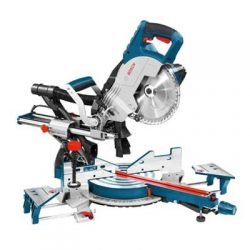
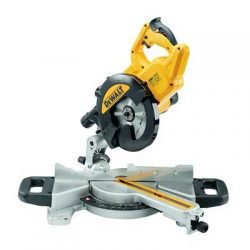
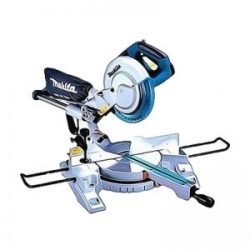
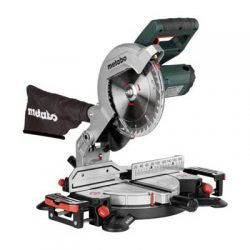
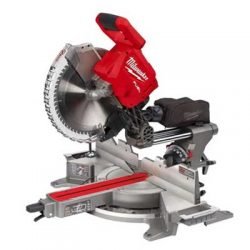


Choosing an advanced cordless mitre saw is about more than comparing blade diameter or battery voltage. For Australian users, the right saw needs to match the type of timber being cut, the required cutting capacity, available battery platforms, workshop conditions, portability needs and the level of accuracy expected from the tool. A saw that is ideal for occasional DIY work may be a poor choice for repetitive renovation, carpentry, decking, flooring or professional installation work.
This guide provides additional buying information to help compare advanced cordless mitre saw solutions in Australia during 2026. Specifications can vary between models and regional versions, so always confirm the exact configuration, included accessories, battery compatibility and current retailer information before purchasing.
An advanced cordless mitre saw combines the cutting geometry and repeatability expected from a quality mitre saw with the mobility of a battery-powered platform. The most useful advances are not necessarily the features that appear most prominently on a product box. Accuracy under load, smooth adjustment mechanisms, useful bevel ranges, effective dust collection, stable material support and compatibility with a suitable battery ecosystem can have a much greater effect on everyday productivity.
Advanced models may include brushless motors, electronic braking, soft-start behaviour, improved blade guards, dual-bevel adjustment, shadow-line or laser guidance, enhanced dust extraction, positive detents, fine-adjustment systems and improved transport arrangements. Not every feature is equally valuable for every buyer.
When comparing products, avoid judging them by one specification. A higher advertised cutting capacity does not automatically mean a better saw, and a larger battery does not necessarily make a tool more practical. Look at how the specifications work together.
Blade diameter is one of the first specifications to check because it influences the cutting capacity and the range of blades available for the tool. Common cordless mitre saw categories include compact models designed for portability and larger saws intended for greater cross-cut capacity.
A smaller blade can be perfectly appropriate for trim, mouldings, smaller framing components and general DIY projects. Larger blades can be more suitable when the work involves wider or thicker timber. The correct choice depends on the material and cutting dimensions rather than simply selecting the largest available blade.
Cutting capacity should be considered at several angles. Check the manufacturer's stated capacity for straight cross-cuts, mitre cuts and bevel cuts, because these figures can differ substantially.
For renovation and carpentry work, consider the widest board you regularly expect to cut. Also consider whether the stated capacity requires a particular blade, cutting configuration or workpiece orientation. If the saw will be used for larger timber, skirting boards or wide shelving components, capacity can be more important than compactness.
The mitre range determines how far the saw head can rotate horizontally. Positive stops at commonly used angles can speed up repetitive work, while a smooth adjustment mechanism is valuable when an unusual angle is required.
For professional work, inspect how the detents engage, how easily the angle can be fine-tuned and whether the locking mechanism remains secure during repeated use. A wide adjustment range is useful only when it remains practical and accurate throughout that range.
Bevel adjustment controls the angle of the blade relative to the work surface. Single-bevel saws tilt in one direction, while dual-bevel saws can tilt in both directions.
Dual-bevel operation can be particularly useful for cabinetry, architectural trim, framing details and repeated compound cuts. It reduces the need to flip or reposition material when changing the direction of a bevel.
A compound cut combines a mitre angle with a bevel angle. This is important for applications such as complex trim, certain roof components and other assemblies where two cutting planes need to meet accurately.
If compound cutting is a major part of your work, pay close attention to the readability of both adjustment scales and the ease with which the saw can be locked at precise settings. Good ergonomics can matter just as much as the maximum numerical range.
Battery compatibility is one of the most important considerations when buying a cordless mitre saw. A saw can be mechanically excellent but inconvenient if it requires a battery platform you do not already own.
Major cordless ecosystems from brands such as Makita, DeWalt, Milwaukee, Bosch and Ryobi offer broad ranges of compatible tools. Compatibility is normally platform-specific, so a battery that fits one brand's drill will not automatically fit another manufacturer's saw.
Battery voltage should not be used as the sole measure of performance. Motor design, electronic control, battery technology, blade condition, material density and cutting technique all affect real-world operation.
When comparing cordless mitre saws, examine the complete battery system rather than focusing on voltage alone. If you already have several compatible tools, staying within that ecosystem can reduce the need to purchase additional chargers and batteries.
Larger-capacity batteries can provide more stored energy, but they can also increase the weight of a portable saw. The best battery configuration therefore depends on the balance between runtime and mobility.
For workshop use, a larger battery may be less of a concern because the saw is moved less frequently. For installation work where the tool is carried between rooms, vehicles and job sites, weight can become a much more significant factor.
Before committing to a cordless platform, check whether compatible batteries and chargers are readily available through Australian retailers. Also check whether the exact saw is sold as a skin-only tool or as a kit containing a battery and charger.
Kit contents can vary by retailer and region. Never assume that a product pictured with a battery necessarily includes one.
Brushless motors are common in higher-end cordless power tools. They eliminate conventional motor brushes and use electronic control to manage motor operation.
For a cordless mitre saw, the practical advantages can include efficient use of battery energy, reduced brush-related maintenance and sophisticated electronic management. However, brushless technology alone does not guarantee superior cutting accuracy or overall build quality.
When comparing brushless models, consider the entire saw: motor response, battery system, gearbox design, blade stability, adjustment mechanisms, dust collection and serviceability all contribute to the ownership experience.
Accuracy is central to a mitre saw because the tool is often used to create joints where small angular errors become visible. A saw can have plenty of power and still be frustrating if the fence, table, detents or bevel mechanism are difficult to align.
The fence supports the workpiece while the blade enters the material. A rigid, properly aligned fence helps maintain repeatability.
When evaluating a saw, consider whether the fence provides sufficient support for the material you normally cut and whether the design accommodates bevel cuts without interfering with the blade path.
A stable base reduces unwanted movement while cutting. This becomes increasingly important with longer or heavier workpieces.
For portable applications, compare the weight and footprint of the saw with the stability you need. A very lightweight saw can be convenient to transport, but a larger, heavier base may be preferable for repetitive workshop work.
Positive stops can make common angles quick to select. Fine adjustment becomes more valuable when working with less common angles or when two components must meet precisely.
Check whether the adjustment system is easy to operate with one hand while holding the workpiece securely with the other. This is a practical detail that is easy to overlook when comparing specifications online.
Blade-line guidance can make it easier to position a workpiece before cutting. Two common approaches are lasers and shadow-line systems.
A laser projects a visible line onto the material. A shadow-line system uses the blade itself to create a reference line. The latter can be particularly intuitive because the shadow corresponds directly with the blade position.
Neither system replaces proper measurement and safe workpiece positioning. Bright outdoor conditions, dust, ambient lighting and blade visibility can affect how useful a guidance system is.
Dust management deserves more attention than it often receives in buying guides. Mitre saws can generate a substantial amount of airborne and deposited sawdust, particularly when cutting dry timber and composite materials.
Look for a well-designed dust port that can connect to a compatible extraction system. A dust bag may be convenient for quick cuts, but workshop users may prefer connection to a suitable vacuum or extraction setup.
Good dust collection can also help preserve visibility around the cutting area. It should not, however, be treated as a substitute for appropriate respiratory protection, ventilation and workplace dust-control practices.
One of the strongest reasons to choose a cordless mitre saw is freedom from a power cord. This can be useful for outdoor construction, renovations, mobile installation work and locations where access to mains power is inconvenient.
Portability depends on more than the absence of a cord. Consider the total weight with the battery installed, carrying handles, head-locking arrangements, transport dimensions and whether the saw can be comfortably lifted onto a workbench or stand.
Workshop users may prioritise cutting capacity, stability, dust extraction, adjustment precision and compatibility with a mitre saw stand. Weight may be less important if the saw remains in one location.
Tradespeople moving between sites may place greater value on compact dimensions, carrying ergonomics, battery runtime and quick setup. A slightly smaller saw can sometimes be more useful if it substantially reduces transport effort.
DIY users should consider how often the saw will actually be transported and what materials they are likely to cut. Paying for highly specialised features may not be worthwhile if the saw will primarily be used for occasional shelving, trim, framing repairs or small renovation projects.
Trim work can place different demands on a mitre saw than general construction. Visual accuracy becomes especially important because joints can remain exposed after installation.
For fine work, do not assume that the blade supplied with a saw is automatically the best choice for every material. Blade tooth configuration, kerf, diameter, arbor specification and material suitability should be checked before purchasing replacement blades.
The saw is only part of the cutting system. Blade selection can significantly affect finish quality, cutting speed, noise, material suitability and battery consumption.
Higher tooth counts are commonly associated with smoother cuts in appropriate materials, while lower tooth counts can favour faster material removal. The ideal configuration depends on the material and desired finish.
For general timber work, choose a blade specifically designed for the material and saw specification. Construction timber, hardwood, softwood and finished boards can have different cutting requirements.
When the cut edge will remain visible, blade tooth configuration becomes more important. A suitable fine-cut blade can help reduce visible tear-out when used correctly.
Do not assume a standard timber blade is appropriate for every sheet good, composite or manufactured material. Always follow the blade and saw manufacturer's stated material compatibility.
A cordless mitre saw is a high-speed cutting tool and should be evaluated partly on how effectively its design supports safe operation. Safety features are useful, but they do not replace proper training, personal protective equipment or safe work practices.
Before use, inspect the blade, guard, battery connection, fence, table and adjustment locks. Secure the workpiece appropriately, keep hands away from the blade path and follow the manufacturer's operating instructions.
Long cutting sessions can make ergonomics important. Even when two saws have similar headline specifications, they may feel very different during repeated operation.
Consider handle position, trigger access, head movement, adjustment controls, vibration behaviour and the effort required to lock or release common settings. If the saw will be used frequently, these factors can have a greater practical effect than a minor difference in advertised motor performance.
A cordless saw is not automatically better than a corded model. The choice depends on where and how the tool will be used.
For Australian buyers, also confirm the electrical configuration and local-market model before purchase. Do not assume that a product specification from another country applies to the Australian version.
Brand ecosystem compatibility can be a decisive factor when comparing cordless mitre saws. Several established manufacturers offer cordless saws alongside drills, impact drivers, grinders, sanders and other equipment.
Makita is widely recognised for its extensive cordless power-tool ecosystem. Buyers already using compatible Makita batteries may find platform continuity particularly convenient. Check the exact battery platform required by the saw because not every Makita battery is necessarily interchangeable across every tool generation or voltage class.
DeWalt offers cordless woodworking and construction tools across established battery platforms. Its mitre saw range includes solutions aimed at users who value portability alongside job-site cutting capability. Confirm the exact Australian model and battery configuration when comparing products.
Milwaukee's cordless ecosystem is particularly relevant to tradespeople who already use compatible M18 or other platform-specific tools. When considering a Milwaukee saw, check the precise battery platform, kit configuration and cutting specifications rather than relying solely on the brand or product family.
Bosch offers power tools across several cordless systems and has a strong presence in woodworking and professional tool categories. Platform compatibility should be checked carefully because battery families can differ between product ranges.
Ryobi's broad cordless ecosystem can appeal to DIY users who want multiple household and workshop tools sharing a common battery platform. For a mitre saw purchase, compare cutting requirements and build characteristics alongside the convenience of platform compatibility.
A compact saw is often easier to transport and store, while a larger model can provide greater cutting capacity. Neither format is universally superior.
Voltage is an incomplete measure of capability. Evaluate the motor, battery system, cutting capacity and overall design together.
A tool-only price can look attractive until the cost of a compatible battery and charger is considered. Compare complete ownership requirements rather than the saw body alone.
A larger saw can add weight and take up more storage space. If your normal materials fit comfortably within a smaller model's specifications, excess capacity may provide little practical benefit.
A guide line helps with positioning, but accurate results still depend on correct measurement, material support, blade condition, angle calibration and cutting technique.
Consider where sawdust will go before choosing a saw. A model that integrates effectively with your existing extraction setup may be considerably more convenient than one that leaves dust management as an afterthought.
If you plan to use a mitre saw stand, check mounting arrangements and overall dimensions before purchasing. A saw that does not integrate conveniently with your intended stand can create unnecessary setup problems.
Manufacturers can sell visually similar tools with different specifications, battery systems, regional configurations or included accessories. Always compare the complete model number and Australian product specification.
Customer reviews can provide useful information, but they should be treated as one part of the buying process rather than definitive evidence of product quality.
Look for recurring comments about accuracy, battery compatibility, dust collection, adjustment mechanisms, portability and long-term usability. Give more weight to detailed reviews that explain how a product was used than to short comments that simply say a product is good or bad.
Also separate complaints caused by incorrect expectations from genuine product limitations. For example, a compact saw receiving criticism for limited cutting capacity may be performing exactly as designed.
Regular maintenance can help keep a mitre saw operating consistently. Always disconnect the battery before carrying out cleaning, inspection, blade changes or other maintenance described by the manufacturer.
Remove accumulated sawdust from the table, fence, guard area and extraction components. Excessive dust can interfere with adjustment mechanisms and visibility.
Check for damage, excessive wear, resin buildup or other conditions that could affect cutting performance. Replace blades according to the manufacturer's instructions and use only blades compatible with the saw.
Periodically verify that the fence remains properly aligned. If cuts that were previously accurate begin producing inconsistent joints, calibration and fence alignment should be among the first areas to inspect.
Mitre and bevel locks should operate as designed. If a locking mechanism becomes difficult to engage, loose or inconsistent, consult the manufacturer's maintenance guidance rather than forcing the mechanism.
Use and store batteries according to the manufacturer's instructions. Avoid exposing battery packs to conditions outside their specified operating and storage requirements, and inspect packs for visible damage before use.
For decking and outdoor construction, portability can be especially useful. Consider the dimensions of the decking boards, the frequency of repeated cuts and whether the worksite has convenient access to mains electricity.
Renovation projects often involve a mixture of trim, framing timber, shelving and other materials. A versatile sliding saw with useful mitre and bevel adjustment can be advantageous when the project involves several material sizes.
Finish carpentry requires careful measurement and repeatable angles. A stable fence, clear scales, reliable detents and appropriate fine-tooth blades can be more important than maximum cutting capacity.
Framing work can involve repetitive cuts where speed, battery management and material support matter. A saw designed for frequent construction use should be assessed for durability, portability and the ability to maintain consistent cuts throughout extended work.
Furniture and cabinetry applications can place greater emphasis on clean cuts and precise compound angles. Blade selection, adjustment quality and workpiece support deserve particular attention.
Not every premium feature adds equal value. The most worthwhile upgrades are those that directly improve the work you perform regularly.
Premium cordless tools can include features that sound impressive but may have little value for your particular workload. Before paying more, consider whether you will actually use the feature.
If your projects involve straightforward 90-degree cross-cuts and occasional mitre cuts, an elaborate adjustment system or very large cutting capacity may not provide meaningful benefits. Conversely, a professional trim carpenter may find those same features extremely useful.
The saw itself is only one part of an effective cutting station. A practical setup can include a stable work surface or compatible mitre saw stand, material supports, suitable blades, dust extraction, spare batteries and appropriate personal protective equipment.
Long workpieces should be supported so that their weight does not pull the material away from the fence or interfere with the cut. A well-supported workpiece can make the operation safer and improve repeatability.
Prioritise ease of use, reasonable cutting capacity, manageable weight, straightforward adjustments and access to compatible batteries. If you already own a cordless platform, a compatible saw can offer significant convenience.
Look for versatility. A sliding mechanism, useful mitre range, bevel adjustment, good dust management and strong material support can make a single saw suitable for a wide range of renovation tasks.
Prioritise repeatability, durability, battery ecosystem compatibility, adjustment precision and ergonomics. Features that save seconds on every repeated cut can become valuable over a full working day.
Prioritise accuracy and control over maximum cutting capacity. A rigid fence, precise angle adjustment, stable table and appropriate fine-finish blade can be more valuable than a larger motor or oversized cutting range.
Focus on the complete transport package: saw weight, battery weight, carrying points, compactness, setup time and battery availability. Portability is a system characteristic rather than simply the absence of a power cord.
Product specifications are useful only when they are compared on an equivalent basis. Cutting capacity, for example, may be stated for different cutting configurations. Battery runtime can depend heavily on material, blade condition and cutting frequency. Weight may be listed without a battery installed.
For a meaningful comparison, create a shortlist and record the same information for every model:
If you already own compatible cordless tools, platform compatibility can simplify your entire workshop. One battery family can potentially support drills, impact drivers, sanders, grinders, circular saws and the mitre saw, depending on the manufacturer's compatibility rules.
This can reduce the number of chargers and battery types you need to manage. It can also make a tool-only purchase more attractive when you already have suitable batteries.
However, do not choose an unsuitable saw solely because it matches your existing batteries. Cutting capacity, accuracy, ergonomics and project requirements should still come first.
A cordless model may not be ideal for every workshop. If the saw will remain permanently installed near an appropriate power source and will be used for long periods without interruption, a corded alternative may be worth considering.
Similarly, if your projects regularly require capacities beyond the cordless models you are considering, selecting a larger or different type of saw may be more sensible than compromising on the required cutting capability.
There is no single best model for every Australian buyer. The right choice depends on cutting capacity, project type, portability, battery ecosystem, accuracy requirements and budget. A DIY homeowner may have different priorities from a professional carpenter or renovation contractor.
Many modern cordless mitre saws are designed for demanding construction and woodworking applications. Actual suitability depends on the specific model, battery system, blade and material. Check the manufacturer's specifications for the intended application rather than assuming every cordless saw has the same capability.
A sliding design can provide greater cross-cut capacity, making it useful for wider boards. It can also add weight, size and mechanical complexity. If you mainly cut narrow material, a compact non-sliding saw may be more practical.
Dual-bevel capability is particularly useful when you frequently make compound cuts or need to work at bevel angles in both directions. For basic cross-cutting and occasional mitre work, a single-bevel design may be sufficient.
Brushless technology can be advantageous in cordless tools because of its efficient motor design and reduced brush-related maintenance. Nevertheless, evaluate the complete saw rather than treating brushless construction as a guarantee of superior performance.
A tool-only model can make sense if you already own compatible batteries and a charger. If you are entering a cordless platform for the first time, compare the total cost of the saw, batteries and charger against complete kits.
Choose a battery according to the manufacturer's recommendations and your workload. Larger-capacity batteries can provide more stored energy but generally add weight. For frequent transport, the lightest suitable configuration may be preferable; for extended cutting sessions, additional capacity may be more useful.
The supplied blade is important for initial use, but it may not be the ideal blade for every application. Blade diameter, arbor size, tooth configuration and material compatibility should all be checked when selecting replacements.
They serve different purposes. A mitre saw excels at controlled cross-cuts, mitres and bevel cuts, while a circular saw is generally more flexible for breaking down large sheet goods and making longer cuts. Many workshops benefit from having both types of saw.
Inspect and clean the tool regularly, particularly after dusty cutting sessions. Follow the manufacturer's maintenance schedule for detailed servicing requirements. Blade condition, guard operation, adjustment mechanisms and dust buildup should be checked as part of routine tool care.
They can be particularly convenient outdoors because they do not require a mains power connection at the cutting location. However, always follow the manufacturer's environmental and operating restrictions and keep the tool and battery protected from unsuitable conditions.
The strongest cordless mitre saw purchase is not necessarily the most expensive, largest or most powerful model. It is the model whose cutting capacity, battery platform, accuracy, portability and features align with the work you actually perform.
For Australian buyers, start with the material dimensions and cutting tasks you expect to encounter most often. Then compare blade size, cross-cut capacity, mitre and bevel ranges, battery compatibility, weight, dust management and adjustment quality. If you already own cordless tools, platform compatibility can be a major practical advantage, but it should not outweigh a fundamental mismatch between the saw and your projects.
Before making a purchase, verify the current Australian specification, exact model number, kit contents, compatible batteries, accessories, warranty terms and retailer conditions. Product configurations and pricing can change during 2026, so current information should always take precedence over older listings or general specifications.