

♥ Wishlist
Compare 17 Cordless Vacuum Cleaners products in Australia. Reviews, ratings, pros, cons and buying advice updated for October 2026.
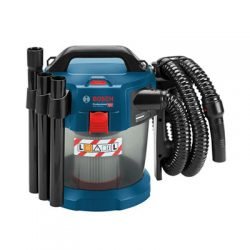
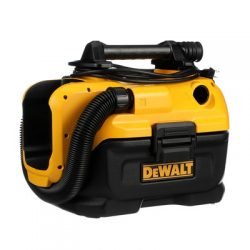
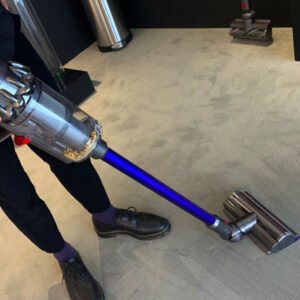
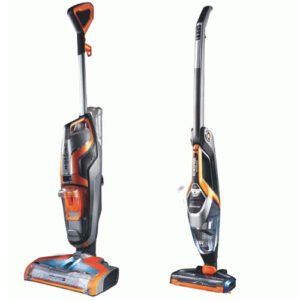
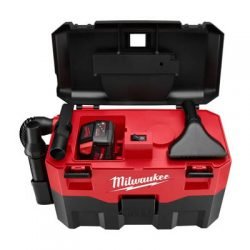


Choosing an advanced cordless vacuum is no longer simply a matter of comparing suction claims or selecting the model with the longest advertised runtime. Modern cordless vacuum cleaners can combine high-speed brushless motors, multi-stage filtration, floor sensors, automatic suction adjustment, anti-tangle brush systems, removable batteries, LED floor lighting and increasingly sophisticated dust-management features. The right choice depends on how those technologies match the type of home, flooring, debris and cleaning routine you actually have.
For Australian households, the buying decision can be particularly varied. A compact apartment with mostly hard floors has very different requirements from a large suburban home with carpets, rugs, stairs, pets and multiple occupants. Homes in dusty or sandy environments may benefit from strong filtration and easy-to-empty dust bins, while households with pets may place greater importance on hair removal, anti-tangle technology and motorised upholstery tools.
This guide focuses on the characteristics that matter when comparing advanced cordless vacuum solutions for the Australian market. Brands such as Dyson, Samsung, LG, Shark, Bosch, Electrolux and Miele offer cordless cleaning technologies across different segments, but specifications and included accessories can vary considerably between models and retailers. Always compare the exact model number rather than relying only on a brand family name.
An advanced cordless vacuum generally goes beyond basic handheld cleaning by combining several technologies into one system. The most useful features are those that improve cleaning effectiveness, usability, filtration or maintenance rather than simply adding more settings.
Suction is one of the most frequently advertised specifications, but it should not be considered in isolation. A vacuum cleaner's real-world cleaning ability is influenced by airflow, brush design, sealing, filtration, floor-head construction and how efficiently the machine transfers motor power into useful cleaning performance.
Some manufacturers publish measurements such as air watts, while others emphasise motor speed, suction pressure or proprietary performance terminology. Because these measurements are not always directly comparable between brands, buyers should avoid assuming that a larger number automatically represents a better cleaner.
A modern cordless vacuum may use a compact high-speed motor designed to deliver substantial suction from a relatively small battery-powered platform. Brushless motor technology can provide efficient operation and precise electronic control, but the motor is only one component of the complete cleaning system.
Airflow determines how effectively debris moves through the cleaning head and vacuum system. Good sealing is equally important because unwanted air leakage can reduce the effectiveness of the system. When comparing models, consider independent cleaning information and the design of the floor head rather than focusing exclusively on the headline motor specification.
A well-designed floor head can make a significant difference. Brush rolls can agitate carpet fibres and loosen embedded debris, while soft rollers can be particularly useful on hard floors where fine dust and larger particles need to be collected without relying entirely on stiff bristles.
Advertised battery runtime should always be interpreted carefully. Maximum runtime is typically dependent on the selected power mode and configuration. A vacuum operating with a motorised floor head at a high power setting can consume substantially more energy than the same machine running with a lightweight non-motorised attachment.
For larger Australian homes, battery capacity becomes more important. A single battery may be sufficient for quick daily cleaning, while a replaceable battery system can be more practical for extended sessions. Buyers should check whether a second battery is included, optional or unavailable for the specific model being considered.
Look at more than the stated charging time. Consider where the vacuum can be stored, whether the battery can be removed for charging, whether the charging dock requires permanent wall installation and whether additional batteries can be purchased separately.
A wall-mounted dock can keep a cordless vacuum ready for use, but renters or users who frequently change storage locations may prefer a freestanding charging arrangement. Battery replacement availability can also matter because lithium-ion batteries naturally lose capacity over time.
Dust-bin capacity affects how frequently cleaning must be interrupted. A compact cordless vacuum may be convenient for quick cleaning but can require more frequent emptying in a larger household.
When comparing dust bins, examine the emptying mechanism as carefully as the stated capacity. A hygienic release system can help minimise direct contact with collected dust. A wide opening may also make it easier to remove larger debris, while a more enclosed mechanism can be preferable for users who want to minimise exposure to the contents.
Filtration is an important part of an advanced cordless vacuum, particularly when cleaning fine dust. A filtration system can include several stages designed to separate larger debris and capture progressively smaller particles.
Buyers should distinguish between marketing terminology and measurable specifications. Terms such as high-efficiency filtration or sealed filtration can describe useful design characteristics, but the precise configuration varies by product. Check whether filters are washable, replaceable or intended to be periodically maintained.
Washable filters can reduce the frequency with which replacement components are required, provided they are cleaned and dried according to the manufacturer's instructions. Replaceable filters may be necessary where the manufacturer specifies periodic replacement or where a filter cannot be adequately restored through washing.
Before purchasing, check the availability and cost of replacement filters and other consumable components. A vacuum can be excellent initially but less convenient over its lifespan if essential maintenance parts are difficult to obtain.
Floor type should be one of the first considerations when comparing cordless vacuum cleaners. The ideal configuration for hard floors is not necessarily the same as the ideal configuration for thick carpet.
For timber, laminate, vinyl, tile and other hard surfaces, look for a floor head designed to collect both fine dust and larger particles. Soft rollers can be particularly useful for hard floors, while adjustable suction can help prevent excessive resistance on smooth surfaces.
Carpet generally benefits from agitation as well as suction. A powered brush roll can help lift dirt from between carpet fibres. If a home has multiple carpet types, an automatic or adjustable floor head can provide greater versatility.
Homes with a combination of hard floors, rugs and carpet often benefit most from a vacuum that can transition easily between surfaces. Automatic surface detection can be convenient, but manually selectable power settings and interchangeable heads can also provide useful control.
Pet owners should look beyond basic suction claims. Hair can wrap around conventional brush rolls, reducing performance and increasing maintenance. Anti-tangle brush designs are therefore particularly useful for homes with dogs and cats.
Consider the complete pet-cleaning system rather than only the main floor head. A motorised mini tool can be useful for upholstery, stairs and other smaller surfaces where pet hair accumulates. A crevice tool can help reach narrow areas, while a flexible attachment may improve access around furniture.
Powerful cordless vacuums can produce noticeable motor and airflow noise. Noise is particularly relevant in apartments, homes with sleeping children, shared households and situations where cleaning takes place early or late in the day.
Manufacturers may publish noise measurements, but laboratory figures are not always directly comparable because testing conditions can differ. Consider the availability of lower-power modes and whether the vacuum can perform routine cleaning without constantly requiring its highest setting.
A vacuum's listed weight is only part of the ergonomic equation. Where the motor and battery are positioned can influence how heavy the machine feels during use.
Handheld motor placement can make a vacuum feel more manageable for floor cleaning, while a top-heavy configuration may become tiring during prolonged use. Users should also consider the trigger or power-button design, handle shape, wand length and ease of switching attachments.
A lighter and well-balanced machine can be particularly valuable on stairs because the user has to repeatedly lift and reposition it. A detachable handheld configuration can also make cleaning furniture, shelves, car interiors and other elevated surfaces easier.
Brush-roll design is increasingly important in premium cordless vacuum cleaners. Different rollers are designed around different floor conditions, and some systems use specialised surfaces or bristle arrangements to manage both fine dust and larger debris.
Anti-tangle systems may use comb-like structures, angled bristles or other mechanical designs to reduce hair accumulation. However, no brush roll should be assumed to be completely maintenance-free. Long hair, threads and fibres can still require occasional inspection and removal.
Some advanced cordless vacuums use sensors to identify changes in surface resistance or the amount of debris being collected. The vacuum can then adjust suction or cleaning behaviour automatically where the technology supports it.
Automatic operation can be convenient because users do not have to manually change settings every time they move from hard flooring to carpet. Nevertheless, manual controls remain valuable when users want maximum runtime or targeted high-power cleaning.
Floor-head illumination has become a useful feature on some cordless vacuum systems. Low-angle lighting can make fine dust, hair and crumbs more visible, particularly on hard floors.
The value of an LED-equipped head is primarily practical rather than cosmetic. If a household frequently cleans dark flooring, underneath cabinets or areas with limited ambient light, illumination can make it easier to identify areas that need additional passes.
Large accessory bundles can look impressive, but buyers should evaluate each attachment according to their cleaning requirements.
Before paying extra for a premium bundle, identify which accessories you will realistically use. A smaller set of well-matched tools can be more useful than a large collection of attachments that remains stored away.
Brand comparison can help narrow the market, but there is no single brand that is automatically the best choice for every Australian household. Product generations change, model specifications differ and the included accessories can vary between configurations.
Dyson is widely associated with premium cordless vacuum technology, high-speed digital motors, sophisticated floor heads and advanced filtration systems. When comparing Dyson models, pay particular attention to battery configuration, dust-bin capacity, included tools and the differences between model generations.
Samsung cordless vacuum systems can appeal to buyers interested in premium features, integrated charging solutions and advanced cleaning configurations. Compare the exact model's battery arrangement, cleaning head, filtration system and available accessories before making a decision.
LG offers cordless cleaning systems that can be attractive to households looking for a combination of floor cleaning performance, charging convenience and modern appliance integration. Model-specific specifications should be checked carefully, especially where multiple variants share similar product names.
Shark is known for practical cleaning features across several vacuum categories, including cordless systems designed around everyday household cleaning and pet hair. Features such as brush-roll technology, flexible cleaning configurations and floor-head design can be more important than brand recognition alone.
Bosch cordless vacuum options can be worth considering for buyers who value established appliance engineering and modular cleaning systems. Battery compatibility within a product ecosystem may also be relevant for users who already own compatible equipment.
Electrolux has a strong presence in household floor-care products and offers cordless solutions across different segments. Compare ergonomics, cleaning-head configuration, battery runtime and filtration rather than assuming that a higher model number necessarily represents the best fit.
Miele is associated with premium household appliances and offers cordless floor-care solutions aimed at buyers seeking refined construction and advanced cleaning features. Consider the complete system, including accessories, battery arrangements, maintenance requirements and long-term consumable availability.
Battery compatibility can be an important consideration when choosing cordless equipment. Some manufacturers design batteries around specific appliance families, allowing compatible batteries to be shared between selected products.
Do not assume batteries are interchangeable simply because products come from the same manufacturer. Compatibility is model-specific and may depend on the product platform. Always verify the exact battery system before buying additional packs.
Advanced cordless vacuums often come with a wall-mounted dock, freestanding charging station or another dedicated storage solution. The best arrangement depends on the home.
Even the most advanced cordless vacuum requires regular maintenance. Good maintenance can help preserve cleaning performance and reduce avoidable blockages.
Maximum suction can be useful for demanding cleaning, but everyday effectiveness also depends on the floor head, airflow, brush roll and filtration system. A vacuum with a sensible balance of these characteristics can be more practical than one selected solely because it has an impressive headline specification.
Maximum runtime figures can be achieved under particular operating conditions. High-power modes and motorised tools generally consume more battery energy. Compare realistic operating modes with your intended cleaning routine.
Filters, batteries and brush-roll components may eventually require replacement or service. Check long-term parts availability before purchasing a premium cordless vacuum.
An extensive accessory package does not automatically improve cleaning. Prioritise the tools that correspond to your floors, furniture, stairs, vehicles and other surfaces.
Two vacuums with similar listed weights can feel very different during use. Balance, handle position and motor placement can affect fatigue significantly.
A small dust bin may be acceptable for quick daily cleaning but inconvenient for larger homes, pet owners or heavy cleaning sessions.
Premium features can be valuable, but they should be matched to actual requirements. A less expensive cordless vacuum with appropriate accessories and sufficient battery capacity may be a better purchase for a household with straightforward cleaning needs.
A useful comparison should evaluate several specifications together rather than ranking products by one number.
A compact cordless vacuum with good hard-floor performance, a manageable weight and convenient storage can be sufficient. Long maximum runtime may be less important when the entire home can be cleaned in short sessions.
Prioritise battery capacity, efficient charging, a larger dust bin and comfortable ergonomics. A removable battery or additional compatible battery can be particularly useful for extended cleaning.
Focus on anti-tangle technology, motorised pet tools, strong floor-head performance and easy maintenance. Filtration and dust-bin emptying are also important when cleaning large amounts of hair and fine debris.
Look for a strong powered brush roll, effective agitation and sufficient battery performance in the mode required for deeper carpet cleaning.
A specialised soft roller or hard-floor head, good fine-dust pickup and useful floor illumination can be more valuable than extreme boost power.
Versatility is the priority. A vacuum that can transition efficiently between carpet, rugs and hard floors can reduce the need for multiple cleaning machines.
Customer reviews can provide useful information, but they should be read critically. Look for recurring comments about battery behaviour, floor-head performance, hair management, charging reliability, filter maintenance and long-term usability rather than relying on the overall star rating alone.
Pay particular attention to reviews from people with a similar home environment. A buyer with a small apartment and mostly hard floors may have very different priorities from a household with several pets and extensive carpet.
Also distinguish between reviews of the exact model and reviews that have been grouped across several variants. Retail listings can sometimes combine multiple configurations, making it important to verify that a review relates to the precise model being considered.
Price should be evaluated alongside the complete package. A discounted vacuum may look attractive until you discover that a preferred attachment, additional battery or specialised floor head is only included with a different configuration.
A newer model is not automatically the better value. Product generations can introduce improved motors, sensors, filtration, brush heads, displays or battery systems, but the practical benefit depends on how those changes affect your cleaning requirements.
When comparing generations, identify the specific improvements rather than simply assuming that the newest release is superior. If the older model already provides the required floor head, battery performance and filtration, a lower-cost previous-generation configuration may be worth considering.
Australian buyers should read the warranty information supplied with the exact product. Warranty terms can vary according to manufacturer, model, purchase channel and component.
Pay attention to the warranty period, exclusions, battery coverage, proof-of-purchase requirements and the process for obtaining service. A longer headline warranty is not necessarily more useful if important components are excluded or subject to separate conditions.
Cordless vacuums commonly use rechargeable lithium-ion battery systems. Follow the manufacturer's charging, storage and operating instructions for the specific model.
Not every premium feature deserves a higher purchase price. The most worthwhile upgrades are generally those that solve a specific cleaning problem.
Some technologies are useful but should not automatically determine a purchase. Smartphone connectivity, extensive display information, numerous power settings and large accessory bundles can be unnecessary for someone who mainly performs quick daily cleaning.
Think about frequency of use and cleaning complexity. A household that vacuums for a few minutes each day may gain more from low weight and convenient storage than from an elaborate set of advanced controls.
Instead of attempting to identify the best cordless vacuum based on a single ranking, create a shortlist of several models and compare them against the same criteria.
There is no universally best cordless vacuum for every Australian household. The strongest choice depends on flooring, pets, home size, desired runtime, weight preferences, filtration requirements and budget. Compare the exact models against your cleaning priorities rather than choosing solely from a brand ranking.
They can be worthwhile when their additional features solve real problems. Advanced floor heads, better battery systems, improved filtration, easier maintenance and useful accessories can justify a higher cost for some households. Buyers with simple cleaning needs may not benefit enough from every premium feature to justify the additional expense.
Battery runtime varies according to model, power setting, floor head, attachment and battery condition. Maximum runtime figures should therefore be treated as a reference rather than a guarantee of operating time under high-power cleaning.
A removable battery can be valuable for larger homes and longer cleaning sessions because it may allow a charged spare battery to be used. It can also simplify eventual battery replacement, subject to the manufacturer's support and compatibility options.
Many modern cordless vacuums are designed for carpet cleaning, but performance varies considerably. For carpet-heavy homes, focus on the powered floor head, brush-roll design, available suction modes and battery performance rather than assuming every cordless vacuum will perform identically.
They can be highly practical for pet hair when equipped with suitable motorised tools and anti-tangle technology. The dust-bin capacity and brush-roll maintenance requirements should also be considered because frequent hair removal can increase cleaning and emptying demands.
Filter requirements vary by model. Some filters are washable, while others require replacement at intervals specified by the manufacturer. Always follow the maintenance instructions for the exact vacuum.
Automatic suction adjustment can be useful for mixed-floor homes because it reduces the need to change settings manually. However, it is not essential for every buyer. If your home has a consistent floor type, manual power control may provide sufficient flexibility.
A larger dust bin can reduce interruptions during cleaning, but it can also contribute to overall size and weight. The best capacity depends on how large your home is, how often you vacuum and how much debris you normally collect.
Floor-head lights can make fine debris more visible, especially on hard flooring and underneath furniture. They are a useful convenience feature, although they should not take priority over cleaning performance, battery life or filtration.
Light maintenance should be performed regularly, particularly checking the brush roll, dust bin and filters. The exact schedule depends on usage and the manufacturer's instructions. Pet owners and households with heavy dust or long hair may need to inspect the cleaner more frequently.
The best advanced cordless vacuum solution is the one that delivers the right combination of cleaning performance, battery practicality, filtration, ergonomics, accessories and maintenance convenience for your home. There is little value in paying for technology that does not solve a real cleaning problem.
For Australian shoppers, compare the exact local model, included accessories, battery configuration, warranty terms, replacement parts and current retailer pricing before purchasing. Check verified customer feedback for the specific model and pay attention to repeated comments about battery behaviour, floor-head performance, pet hair, dust-bin usability and long-term maintenance.
Whether you are comparing Dyson, Samsung, LG, Shark, Bosch, Electrolux, Miele or another established manufacturer, use the same evaluation criteria across every shortlisted model. A structured comparison makes it easier to identify the vacuum that offers the most useful features for your particular floors and cleaning routine rather than simply choosing the most expensive or most heavily marketed option.