

♥ Wishlist
Compare 9 Makita Cordless Radios for Jobsites, Workshops and Outdoor Use products in Australia. Reviews, ratings, pros, cons and buying advice updated for October 2026.


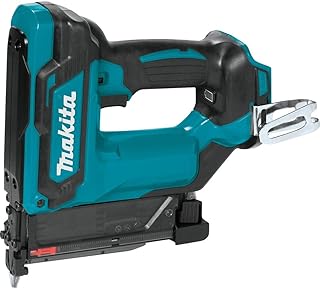
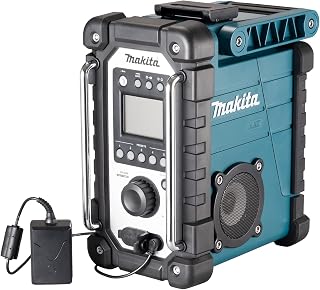


Makita cordless radios occupy a useful niche between ordinary portable radios and rugged jobsite audio equipment. They are designed for people who want dependable entertainment, news, music or spoken audio while working around a workshop, renovation site, garage, shed, garden area or other demanding environment. The main attraction is not simply the Makita name; it is the ability to integrate a radio or Bluetooth audio system into a battery platform that many tradespeople already use.
For Australian buyers, the right model depends heavily on the battery ecosystem already in your workshop, how much portability you need, whether Bluetooth matters, how important digital radio is, and whether you want a straightforward radio or a multifunctional unit such as a radio lantern. Current Makita Australia material also shows that the range extends beyond conventional FM/Bluetooth jobsite radios into newer 40V Max products, including the MR007G digital Bluetooth jobsite radio and MR009G digital radio lantern.
A cordless jobsite radio makes sense when you want audio equipment that can operate without a conventional power outlet. This is particularly useful on construction sites, outdoor projects and unfinished buildings where mains power may be unavailable or inconvenient.
One of the most important buying decisions is the battery platform. A radio that looks ideal on paper may be less attractive if it requires a battery system you do not already own.
Makita's 12V Max CXT ecosystem is aimed at compact cordless equipment. A CXT-compatible radio can be appealing when portability and a smaller battery platform are more important than maximum runtime or the largest speaker system.
For occasional listening in a small workshop, shed or service vehicle, a compact CXT-compatible unit may be all that is necessary. Buyers should nevertheless check the exact battery compatibility of the individual model before purchasing.
The 18V LXT platform is particularly relevant to Australian tradespeople who already own a large collection of Makita cordless tools. Choosing an LXT-compatible radio can allow the same battery ecosystem to serve another purpose.
If you already have several 18V LXT batteries, the cost and inconvenience of maintaining a separate battery platform may be avoided. This is one of the strongest practical reasons to compare Makita radios by battery compatibility rather than by speaker specifications alone.
The XGT platform is intended for higher-demand cordless equipment and has also expanded into jobsite accessories. The Makita MR007G is a 40V Max digital Bluetooth jobsite radio that can use 40V Max, 18V and 12V Max batteries and can also operate from AC power. Makita's published material describes it as having digital radio, Bluetooth, FM radio, two stereo speakers and a subwoofer.
This makes an XGT-compatible radio particularly interesting for buyers who already use multiple Makita battery systems or want a more advanced audio platform without being restricted to a single battery family.
Radio technology is an important distinction between models. Not every cordless radio offers the same listening options, so buyers should identify the sources they actually use.
Digital radio can be valuable for listeners who regularly use Australian digital broadcasts and want access to stations beyond conventional FM. If digital radio is one of your priorities, verify that the specific model you are considering supports the relevant digital-radio standard and bands for your intended Australian location.
Do not assume that a model described as a digital radio has identical reception capabilities to every other model in the range. Check the manufacturer's specification for the exact product and regional version.
FM remains useful because it is straightforward, familiar and widely available. A good FM-capable jobsite radio can be particularly convenient when you want to turn the unit on and listen without pairing a phone.
FM is also useful as a backup when your phone battery is low or when you simply do not want to use a mobile device for audio.
Bluetooth is arguably the most flexible feature for modern users. It allows a compatible phone, tablet or other Bluetooth audio source to become the content provider while the Makita radio functions as the portable speaker.
Bluetooth is especially useful for podcasts, playlists, audiobooks, streaming services and saved music. Before buying, check the actual Bluetooth functionality of the model rather than assuming that every Makita radio provides the same controls, range or playback behaviour.
Jobsite radios should not be judged solely by headline wattage. Audio performance depends on speaker configuration, enclosure design, driver size, positioning, power management and the environment in which the radio is used.
Stereo speaker arrangements can create a wider listening field than a single-driver design. A model with multiple speakers may be preferable when several people need to hear the same audio around a work area.
Some larger Makita units go further by incorporating a subwoofer. The MR007G, for example, is specified with two stereo speakers and a subwoofer. This type of configuration is more relevant to buyers who value fuller music reproduction rather than simply wanting spoken radio to remain audible.
A louder radio is not automatically a better radio. On a noisy construction site, useful performance depends on whether speech and music remain clear without excessive distortion.
Consider the environment in which you will use the radio. A small workshop may not require the same acoustic output as an outdoor construction site. If the radio will be used around saws, drills, compressors or other loud equipment, clarity at elevated volume levels becomes more important.
Deep bass can make music sound more substantial, but it also consumes acoustic and electrical resources. A larger enclosure and dedicated low-frequency driver can provide an advantage, although the improvement may matter less if your primary use is talk radio, news or podcasts.
For a cordless jobsite radio, durability should be considered before cosmetic design. The unit may be carried between locations, placed on benches, exposed to dust and transported alongside other tools.
Water resistance should never be interpreted as permission to leave a cordless radio exposed to heavy rain. If outdoor use is important, read the exact protection rating and operating limitations for the individual model.
Battery runtime varies according to battery capacity, volume level, audio source, temperature, battery condition and the specific radio design. A larger-capacity battery generally provides more available energy than a smaller one, but it also adds weight and physical bulk.
For buyers who already have several Makita batteries, this means it can be more useful to evaluate the radio according to the batteries you actually own rather than relying on a generic runtime claim.
Always compare the manufacturer's published runtime information for the exact radio and battery combination. Runtime figures should be treated as reference values rather than guarantees for every listening situation.
Many Makita cordless products are sold as tool-only units, while battery-and-charger kits may also exist depending on the model and retailer. This distinction can substantially change the overall purchase cost.
If you already own compatible Makita batteries and a charger, a tool-only radio can make much more sense. If you are entering the Makita ecosystem specifically to buy a radio, the cost of the required battery and charger should be included when comparing alternatives.
Never compare a bare-tool price with a complete kit price as though they were equivalent products. Check exactly what is included in the box.
Bluetooth is one of the most useful upgrades if you primarily listen to content from your phone. It eliminates the need for a physical audio cable and makes the radio more versatile than a conventional broadcast-only unit.
Digital radio is worth prioritising if you regularly listen to digital stations and want that functionality in your jobsite equipment. If you mainly use Bluetooth, paying extra specifically for digital radio may not be necessary.
AC operation can turn a cordless jobsite radio into a more flexible workshop audio system. The MR007G, for example, is specified for both battery and AC operation.
This is particularly useful if the radio normally stays in a workshop or garage but occasionally needs to travel to a location without mains power.
USB charging can be convenient when you need to top up a phone or another small device during a workday. However, buyers should check whether the USB connection is intended for device charging, audio playback, or another purpose.
A clear display and physical controls are particularly valuable on a jobsite. Touch-heavy interfaces can be less convenient when your hands are dirty or when you are wearing gloves.
A radio lantern is worth considering when you need both illumination and audio. Makita's MR009G is a 40V Max Bluetooth digital radio lantern specified with digital, Bluetooth and FM radio functionality, along with a high-brightness lantern and selectable colour temperature.
This type of product can be useful for workshops, temporary work areas, camping-style applications and situations where carrying a separate radio and light would be inconvenient.
However, a radio lantern should not automatically replace a dedicated work light. If illumination quality, beam pattern, mounting options or task lighting are critical, compare the lighting specifications independently from the audio features.
An 18V LXT-compatible radio is a logical starting point for anyone who already owns multiple LXT batteries. The ability to share batteries can simplify charging and storage while keeping the radio within the same cordless ecosystem.
A larger model with multiple speakers and a dedicated low-frequency driver is more suitable when music quality matters. The MR007G is an example of the more advanced direction of Makita's jobsite-radio range.
A smaller radio may be preferable if you frequently move between rooms, workbenches, vehicles and outdoor areas. Lower weight can be more valuable than maximum speaker output when portability is the priority.
A radio lantern such as the MR009G can make sense when you want illumination and audio from a single cordless unit. It is particularly attractive for users who would otherwise carry separate equipment.
If the radio will only be used occasionally, avoid paying for advanced features that you will rarely use. A basic compatible model with the required radio or Bluetooth functionality may deliver better value.
When two models appear similar, use a structured comparison instead of choosing based solely on price.
This is one of the easiest mistakes to make. Makita has multiple cordless platforms, and compatibility should be confirmed before purchase.
Model names and product styling can make different radios appear similar. They can nevertheless differ significantly in radio bands, Bluetooth functionality, battery compatibility, power options and speaker configuration.
The cheapest radio is not necessarily the lowest-cost solution if you need to purchase an additional battery, charger or separate light later.
A larger radio may deliver stronger audio but can be inconvenient if you have limited bench space or frequently carry tools between locations.
Always check the published protection rating and usage restrictions. Do not treat general jobsite durability as evidence that a radio can safely be exposed to sustained rain or submerged.
If you almost exclusively stream podcasts from a phone, Bluetooth may matter more to you than extensive radio functionality. Conversely, if you listen to broadcast stations throughout the workday, tuner performance should receive greater weight.
Makita is not the only manufacturer producing cordless jobsite audio equipment. Buyers may also encounter Bosch, DeWalt, Milwaukee and other established tool brands.
The most sensible comparison is not simply which brand has the loudest radio. Instead, compare each brand's battery ecosystem, audio features, durability specifications, availability of replacement batteries, ergonomics and total ownership cost.
Cross-brand comparisons should always account for the batteries and chargers you already own. Battery-platform compatibility can outweigh relatively small differences in audio specifications.
Warranty conditions can change, so Australian buyers should read the current documentation associated with the exact product and seller. Makita Australia's published warranty material states that its warranty applies to qualifying new products sold in Australia through authorised Makita Australia dealers, with different warranty periods depending on product classification and registration conditions.
Australian consumers also have rights under the Australian Consumer Law that operate independently of marketing claims about a product warranty. Buyers should retain their proof of purchase and review the current terms applicable to the product they purchase.
Dust and debris are unavoidable in many workshops, but accumulation around vents and speaker openings can affect equipment performance. Clean the exterior according to the manufacturer's instructions and avoid aggressive compressed-air use where it could drive debris further into the unit.
Battery terminals should remain clean and dry. Do not force a battery into a radio if the connection area contains debris or appears damaged.
Never attempt to modify a battery or use an incompatible power source simply to make a radio work with another platform. Battery compatibility should be determined from the manufacturer's specifications.
Even a rugged jobsite radio can be damaged if it is repeatedly dropped or crushed beneath heavy tools. Use the handle and place the unit where it is less likely to be struck by materials or equipment.
Customer reviews can provide useful information that specification sheets cannot, but they should be interpreted carefully. Look for repeated observations rather than isolated complaints or praise.
Useful review themes include battery consumption, Bluetooth stability, control usability, radio reception, perceived loudness, portability and durability in the user's actual environment.
Be cautious when a review discusses a different model, a different regional version or an accessory that is not included with the product you are considering. Product listings can sometimes group multiple variants together, making review sections less reliable than they initially appear.
There is no single best model for every Australian buyer. The best choice depends on your Makita battery platform, required audio features, preferred size, expected runtime and budget. Existing 18V LXT owners may naturally prioritise LXT compatibility, while users wanting a more advanced audio system may prefer a larger model with multiple speakers and additional power options.
They can be a strong choice when you already own compatible Makita batteries or specifically want a jobsite-oriented cordless audio system. Their value is less compelling if you have no compatible batteries and do not need the portability or ruggedness associated with a cordless worksite product.
Bluetooth-equipped Makita models can be used with compatible devices for wireless audio. Check the specifications of the exact model because features can vary across the range.
It depends on the specific product and package. Some cordless tools are sold as tool-only units, while kits can include batteries and chargers. Always check the complete contents of the particular listing before comparing prices.
Only if the battery platform and exact battery type are supported by that radio. Do not assume that all Makita batteries are interchangeable simply because they carry the Makita brand.
Do not assume that a jobsite radio is waterproof. Check the exact model's published protection rating and operating instructions before exposing it to rain or other moisture.
Neither is universally better. Bluetooth is more flexible for personal music, podcasts and streaming content, while FM is convenient for broadcast radio without relying on a phone. A model offering both gives you greater flexibility.
Makita's jobsite radios are designed for portable worksite use, but suitability depends on the particular environment and model. Check the manufacturer's protection specifications and avoid exposing the unit to conditions outside its stated operating limits.
A conventional cordless radio focuses primarily on audio, while a radio lantern combines audio functions with illumination. The MR009G is an example of Makita's radio-lantern category, combining digital, Bluetooth and FM radio functionality with a high-brightness lantern.
If you already own an 18V LXT collection, an LXT-compatible radio can be the simpler and more economical choice. If your workshop is built around XGT or you want a model offering broader power compatibility and more advanced audio features, an XGT-compatible product may be more appropriate.
Battery capacity directly influences how much stored energy is available, but the best capacity depends on your intended usage. A smaller battery may be preferable for portability, while a larger battery can be more useful for long listening sessions.
If music quality and fuller low-frequency reproduction are priorities, a model with a dedicated low-frequency driver can be worth considering. If you primarily listen to speech, news or podcasts, the additional audio hardware may be less important than portability, battery compatibility and controls.
The smartest way to choose a Makita cordless radio in 2026 is to start with your existing cordless ecosystem rather than starting with the radio's appearance or headline price. Identify your battery platform, determine whether you need Bluetooth or digital radio, decide how much portability matters, and then compare speaker configuration, power options, durability and total ownership cost.
For established Makita users, battery compatibility can make the decision straightforward. For buyers building a new cordless setup, the battery and charger cost should be included when comparing the complete package with competing brands. If audio quality is the priority, pay close attention to speaker configuration and enclosure design. If convenience is more important, prioritise battery compatibility, Bluetooth, physical size and ease of use.
Finally, treat product specifications, current retailer information and customer reviews as separate sources of evidence. Specifications tell you what the manufacturer states; customer feedback can reveal how owners perceive everyday usability; and current retailer listings establish the price and package available at the time you shop. Comparing all three gives you a much stronger basis for choosing the right Makita cordless radio for an Australian workshop, jobsite, garage or outdoor project.