

♥ Wishlist
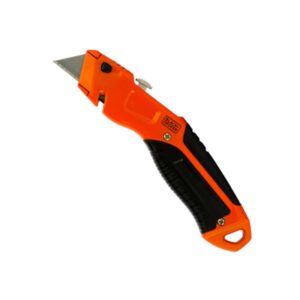
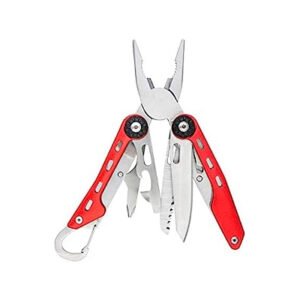
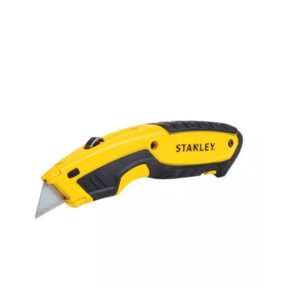
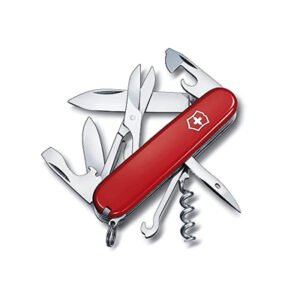


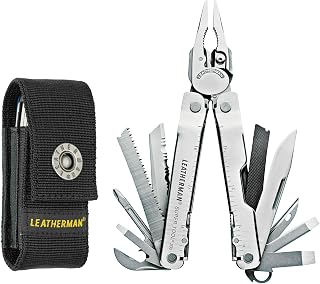
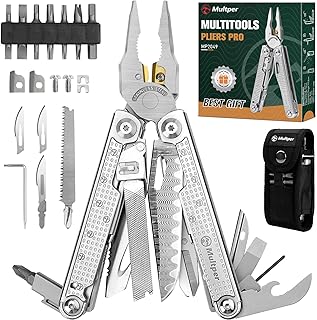


A knives hand tool category can cover a range of manual cutting tools designed for workshop, maintenance, craft and general-purpose tasks. Although knife styles can look similar, their construction and intended applications can differ considerably. Choosing according to the job helps you achieve cleaner results and reduces the temptation to use an unsuitable tool.
Start by identifying the material you need to cut. Different projects may involve cardboard, packaging materials, rope, fabric, soft sheet materials or other items. A suitable blade profile and handle can provide better control for the intended task. For repetitive work, ergonomics also become important because a comfortable grip can make extended use easier.
Blade construction is one of the main considerations when comparing hand knives. Look for a design that suits the material and cutting application rather than choosing based on appearance alone. Blade shape, edge design and overall construction can influence how the tool performs during controlled cutting.
The handle is equally important. A well-designed handle should provide a secure grip and allow you to maintain control while completing the task. Some users may prefer compact designs for detailed work, while others may need a more substantial handle for workshop applications. Consider the size of your hands, the working position and the amount of repeated use involved.
Portability can also influence your choice. A compact hand knife may suit maintenance kits or organised tool storage, while a larger specialist design may be better suited to a dedicated workbench. Regardless of the format, keep the tool properly stored when it is not in use.
Hand knives can support many practical tasks around a workshop or home project area. They may be useful for controlled trimming, opening suitable packaging, cutting selected materials and completing finishing work where a manual cutting tool is appropriate.
For DIY users, versatility can be valuable. However, versatility should not mean using a knife for every cutting job. Match the tool to the material and task, and choose a purpose-built alternative when the application requires a different cutting method. This approach can improve control and help protect both the workpiece and the user.
Good handling matters when selecting a manual cutting tool. A balanced design can make it easier to position the blade accurately, while a suitable grip can support controlled movement. If you expect frequent use, consider how the knife feels in your hand before making a purchase.
Storage is another practical consideration. Keep knives in a secure location where the cutting edge cannot cause accidental contact. If a particular model includes a sheath, guard or other storage feature, use it as intended. Store cutting tools away from children and people who are not authorised to use them.
Australian shoppers should consider the intended application, product specifications and safe handling requirements before purchasing a hand knife. Product availability and permitted uses can vary depending on location and circumstances, so check the current requirements that apply to you before buying, carrying or storing a knife.
When comparing options, review the available product information carefully. Pay attention to dimensions, materials, handle construction, blade characteristics and any stated application details. These specifications can help you decide whether a particular hand tool matches your project.
It is also useful to think about your existing toolkit. If you already own several cutting tools, choose a knife that adds a useful capability rather than unnecessarily duplicating another tool. A focused toolkit can make storage simpler and help you select the appropriate tool for each job.
Safe handling should remain a priority whenever you use a knife or other cutting tool. Work on a stable surface, keep your hands clear of the cutting path and avoid applying unnecessary force. Do not use a damaged knife or continue using a tool when its condition makes controlled operation difficult.
After use, clean the tool according to the manufacturer's instructions and return it to secure storage. Inspect the handle and blade regularly for signs of damage or excessive wear. Proper care can help preserve the tool and ensure it remains suitable for its intended application.
The best choice depends on the job rather than a single universal specification. Consider the materials involved, the frequency of use, required control, handle comfort and storage requirements. By comparing these factors, you can select a knives hand tool that fits your workshop, maintenance or DIY requirements.
Explore the available category options and review each product's specifications before purchasing. Always use knives responsibly, follow manufacturer guidance and comply with applicable Australian requirements for possession, transport, use and storage.