

♥ Wishlist


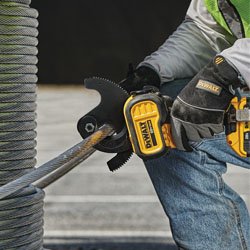
A cordless cable cutting tool can make repetitive cable preparation more convenient, particularly when you need to work away from a fixed power source. Instead of managing a mains cable while cutting, you can move the tool around a work area with fewer restrictions. This can be useful on construction sites, during electrical installation work, in workshops and for maintenance applications.
Before choosing a tool, consider the type and size of cable you regularly cut. Different cutting tools are designed for different materials, diameters and applications. A tool intended for smaller electrical cables may not be suitable for larger or heavier cable. Checking the manufacturer's stated cutting capacity is therefore an important step before purchase.
One of the main advantages of a cordless design is mobility. You can carry the tool between work areas without needing to locate a nearby electrical outlet. This can be especially practical when working in partially completed buildings, service areas, vehicles or outdoor locations.
Cordless operation can also help reduce the number of cables around your immediate workspace. A compact cutting tool can be easier to position around existing installations and equipment. For professionals who perform repeated cable cutting tasks, choosing a suitable powered tool may also make routine work more consistent and convenient.
Check the maximum cable diameter and material that the tool is designed to cut. Your choice should comfortably cover the cables you handle rather than relying on the tool's limit for every job.
Battery type, voltage, runtime and charging arrangements can affect how practical a cordless tool is during a working day. If you already use compatible cordless equipment, a tool from the same battery platform may help simplify charging and battery management, subject to manufacturer compatibility.
Look at the cutting mechanism and replacement blade availability. A suitable cutting system should match the cable materials and sizes specified for the tool. Follow the manufacturer's instructions for blade inspection, replacement and maintenance.
Weight, grip design, balance and control can matter when cable cutting forms part of a repetitive task. A tool that feels manageable in the hand can make positioning easier and may be more comfortable during extended use.
Cordless cable cutters can be used in a range of professional settings where compatible cable needs to be cut efficiently. Electricians may use them during installation and maintenance work, while contractors can find them useful when preparing cable on construction or renovation sites. Maintenance personnel may also value cordless operation when servicing equipment in locations where mains power is inconvenient.
The correct application depends on the individual tool's specifications. Always confirm that the cable material, diameter and construction fall within the manufacturer's approved cutting range before starting work.
Australian tradespeople can benefit from considering the environment in which the tool will be used. If you regularly move between work areas, portability and battery performance may be important. For workshop-based work, cutting capacity and ease of maintenance may receive greater attention.
Consider your typical workload as well. Occasional users may prioritise straightforward operation and convenient storage, while professionals who cut cable frequently may want to examine battery options, cutting performance, ergonomics and the availability of replacement components.
Always use a cable cutting tool according to its manufacturer's instructions. Confirm that the tool is suitable for the cable before cutting, inspect the cutting components for damage and wear, and keep the equipment clean and properly maintained. Appropriate personal protective equipment should be selected for the task and workplace conditions.
For electrical work, ensure the installation is made safe and follow applicable Australian workplace procedures and electrical requirements. A cable cutter should never be treated as a substitute for proper isolation, testing or safe electrical work practices.
The right cordless cable cutting tool depends on the cable types you work with, required cutting capacity, frequency of use and preferred battery setup. Compare these practical considerations before choosing a model. Focusing on genuine application requirements can help you select a tool that provides useful mobility while meeting the cutting demands of your work.
For Australian shoppers, pay close attention to product specifications, included accessories, battery arrangements and manufacturer guidance. A careful comparison can help you choose a cordless cable cutter that fits your workflow and intended application.
Choose a cordless cable cutting tool when you need efficient cable cutting without the restriction of a power cord. Designed for convenient handling and greater freedom of movement, these tools can suit electricians, electrical contractors, maintenance teams, installers and tradespeople working across different locations. Explore the available options to find a cable cutting solution that matches your cable type, cutting requirements and regular workload in Australia.