

♥ Wishlist
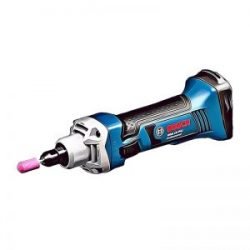
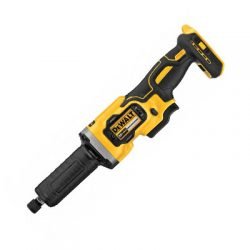
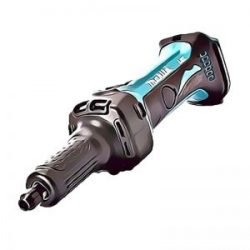
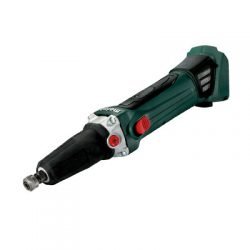


A cordless die grinder gives you portable power for detailed grinding, deburring, polishing, cleaning and finishing work. Unlike corded models, a battery-powered die grinder does not need to stay close to a power outlet. That makes it useful for workshops, garages, construction sites, fabrication areas and maintenance tasks where easy movement matters.
For Australian shoppers, choosing the right cordless die grinder means looking beyond battery operation. Consider the grinder's speed range, collet size, battery platform, ergonomics, runtime and intended application. A compact model can suit precision work and tight spaces, while a higher-powered option may be better for heavier grinding and material removal.
Cordless die grinders are designed for applications that require a smaller rotary tool rather than the larger disc used by an angle grinder. They typically accept accessories through a collet, allowing you to fit grinding stones, carbide burrs, polishing accessories, sanding tools and other compatible attachments.
When comparing models, check the collet size and accessory compatibility first. Common sizes include 6 mm and 3 mm, although availability varies between models and markets. Matching the collet with your existing accessories can help you avoid buying additional tooling unnecessarily.
A cordless die grinder can help remove burrs, smooth rough edges and refine metal components. It is particularly useful for jobs that need controlled access around corners, holes, welds or other detailed areas.
After drilling, cutting or machining metal, sharp edges and unwanted material may remain. A suitable rotary accessory can help clean these areas efficiently. Variable-speed control can provide additional flexibility when working with different materials and accessories.
With compatible polishing or sanding attachments, a die grinder can also support finishing applications. Lower speeds may be preferable for some polishing tasks, while higher speeds can suit particular grinding accessories. Always follow the accessory manufacturer's recommended operating speed.
The biggest advantage of cordless operation is mobility. Without a mains cable, you can move around a vehicle, workbench or job site without managing an extension lead. This can be especially convenient when working in areas where power access is limited.
Battery-powered operation can also simplify setup. Insert a charged compatible battery, fit the correct accessory and the tool is ready for use. However, battery capacity and workload affect runtime, so users with demanding applications may benefit from having a spare battery available.
Speed: Check the no-load speed and whether the model provides variable-speed control. Different accessories and applications can require different operating speeds.
Battery platform: If you already own compatible cordless tools, staying within the same battery system can reduce the need for additional batteries and chargers. Confirm compatibility before purchasing.
Collet: The collet determines which shank sizes the grinder can accept. Make sure it matches the accessories you intend to use.
Ergonomics: A comfortable grip and balanced design can make detailed work easier, particularly during extended use. Compact dimensions can also help when accessing confined areas.
Runtime: Battery capacity influences how long the tool can operate between charges. Consider the workload and whether your jobs require continuous use.
A cordless die grinder can serve a wide range of workshop and maintenance needs. Typical applications include smoothing welds, removing burrs, cleaning metal surfaces, sharpening, light grinding, polishing and preparing components for further work.
Its narrow body and rotary accessory format make it useful for detailed areas where a larger grinder may be difficult to control. For automotive maintenance, fabrication, metalworking and general workshop projects, the right cordless model can provide a practical combination of portability and precision.
Start by identifying the materials and tasks you expect to handle most often. Then compare the required accessory type, collet size, speed, battery system and ergonomics. If portability is your priority, a compact battery-powered model can be convenient. If you expect longer or heavier workloads, pay closer attention to battery capacity, motor performance and available replacement batteries.
It is also worth checking what is included with the tool. Some cordless die grinders may be supplied as tool-only products, while other packages can include batteries, chargers or accessories. Check the product specifications carefully so you know exactly what you are purchasing.
Always use accessories that are compatible with the grinder and rated for its operating speed. Inspect grinding wheels, burrs and other attachments before use, and replace damaged accessories. Wear appropriate eye protection and other personal protective equipment required for the task. Secure the workpiece and maintain a firm grip while operating the tool.
Keep sparks, dust and debris away from combustible materials and follow the manufacturer's operating instructions. Battery tools should also be charged, stored and maintained according to the battery manufacturer's guidance.
A cordless die grinder can be a useful addition to an Australian workshop or mobile tool kit when you need controlled rotary grinding without a power cord. Compare speed, collet compatibility, battery platform, runtime and handling to find a model suited to your work. Whether you need to deburr metal, refine welds, polish components or perform detailed grinding, selecting the right specifications can help you work more efficiently and confidently.