

♥ Wishlist
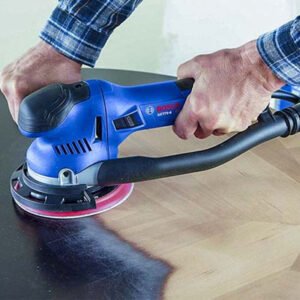

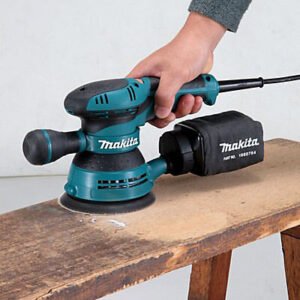


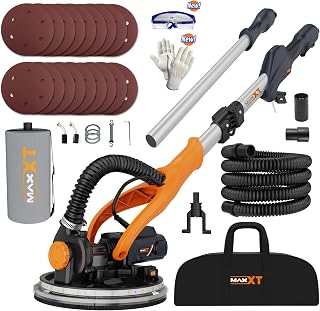


A corded sander provides dependable electric sanding power for preparing timber, smoothing surfaces and completing woodworking projects. Unlike battery-powered models, a corded sander connects directly to mains power, making it suitable for longer jobs where consistent operation matters. For Australian DIY enthusiasts, home renovators, tradespeople and workshop users, the right electric sander can make surface preparation faster and more controlled.
A mains-powered sander can be a practical choice when you need continuous operation without stopping to recharge batteries. This makes corded models useful for extended sanding sessions, furniture restoration, cabinetry, flooring preparation and general workshop work. When comparing models, consider the type of sanding you need, the material you will work on and how frequently you expect to use the tool.
Different sanders are designed for different jobs. Orbital and random orbital designs suit many general-purpose applications because they can produce an even finish on timber and other suitable surfaces. Belt sanders remove material more aggressively and can help with larger flat areas. Detail sanders are designed for smaller surfaces, corners and harder-to-reach sections. Selecting the correct sanding action can help you achieve the desired finish while reducing unnecessary effort.
Motor power can influence how effectively a sander handles demanding work. For occasional DIY projects, a compact model may provide sufficient performance. Frequent workshop use or heavier material removal may call for a more powerful machine. Rather than choosing solely by wattage, consider the overall design, sanding action, speed control and intended application.
The sanding mechanism affects both material removal and finishing results. Orbital movement is commonly used for controlled surface finishing, while random orbital action combines rotation and orbital movement for versatile sanding. Belt sanding generally offers faster material removal. Detail sanding is useful when working around edges, corners and intricate areas.
Sanding creates fine dust, so dust management is an important consideration. Look for a suitable dust bag, extraction connection or other dust collection feature where available. A cleaner work area can improve visibility and make sanding more comfortable. Always follow the manufacturer's instructions for dust extraction and use suitable personal protective equipment.
Sanding can involve repetitive movement, especially during larger projects. A comfortable grip, balanced construction and manageable weight can make the tool easier to control. Variable-speed operation can also be useful when different materials or finishing requirements call for more controlled sanding.
A corded sander can support a wide range of woodworking and renovation tasks. Common applications include smoothing timber boards, preparing furniture for refinishing, removing old surface finishes, preparing painted surfaces and refining edges. The suitable machine depends on the material, surface area and amount of material that needs to be removed.
For furniture projects, a random orbital or orbital sander can provide versatile surface preparation before painting, staining or clear coating. A belt sander may be more appropriate when rapid stock removal is required on a suitable flat surface. For detailed furniture components, a detail sander can help reach corners that larger sanding pads cannot access effectively.
Before selecting a model, compare features that affect everyday usability. These may include sanding pad or belt size, operating speed, variable-speed control, dust collection, grip design, cord length and overall weight. Replacement sanding accessories should also be considered because availability and compatibility can influence the long-term practicality of the tool.
For Australian workshops and home garages, mains-powered equipment can be particularly convenient when a suitable power outlet is available near the work area. Use an appropriate extension lead when necessary and follow Australian electrical safety requirements and the manufacturer's instructions. Keep the work area dry, maintain clear cable routing and inspect cords before use.
Start by selecting the correct abrasive grade for the task. Coarser abrasives can remove material more quickly, while finer grades are generally used for finishing. Avoid excessive pressure because the sander's movement should perform most of the work. Move the tool steadily across the surface and avoid keeping it stationary in one place for too long.
For a professional-looking finish, progress through appropriate abrasive grades instead of trying to complete every stage with one sheet or disc. Clean the surface between sanding stages so remaining dust does not interfere with inspection or finishing. When preparing timber for paint, stain or protective coatings, follow the coating manufacturer's preparation recommendations.
The best corded sander for your needs depends on the work you plan to perform rather than a single specification. Think about whether you need fast material removal, general surface finishing, detailed sanding or a versatile solution for several projects. Compare sanding action, power, speed, dust management, ergonomics and compatible abrasives before making your choice.
Whether you are restoring furniture, preparing timber or working on a larger renovation project, a suitable electric sander can provide reliable mains-powered performance. Review the available corded sander options and match the tool's capabilities with your project requirements, working environment and expected frequency of use.