

♥ Wishlist
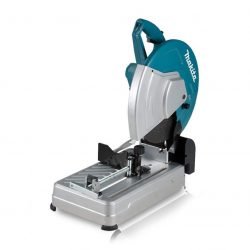
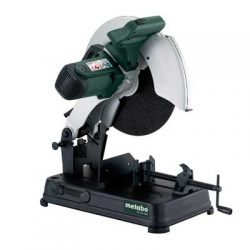
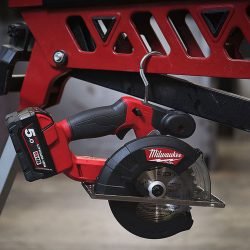


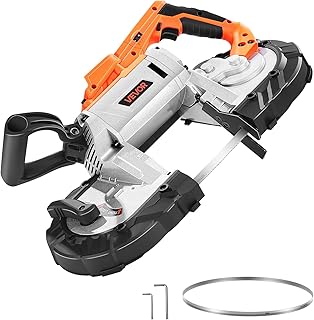


A cordless metal cutting saw combines cutting performance with the freedom of battery power. Unlike corded equipment, it does not need to remain connected to a mains power outlet while you work. This makes a battery-powered model useful for construction sites, workshops, maintenance tasks, fabrication projects and installation work where portability can make the job easier.
When comparing a cordless metal cutting saw, consider the materials you regularly cut and the thickness of those materials. Steel sections, sheet metal, tubing, pipe and other metal components can require different levels of cutting capacity. Matching the saw and blade to the application helps you achieve controlled cuts while reducing unnecessary strain on the tool.
Blade diameter is an important specification because it can affect the depth and type of cuts a saw can make. Check the manufacturer's stated cutting capacity for the materials you expect to handle. A suitable blade should also match the saw's specifications and the material being cut.
Battery performance matters when working away from fixed power. Higher-capacity batteries can provide more working time, although the actual runtime depends on the material, cutting conditions, blade, workload and tool design. If you already use compatible cordless tools, a saw that shares your existing battery platform may offer additional convenience.
Cutting speed can influence productivity, but speed alone should not determine your choice. Look for a model that offers controlled operation and is appropriate for your intended materials. A well-matched blade and steady cutting technique can contribute to cleaner results and more consistent performance.
One of the main advantages of cordless equipment is mobility. A manageable tool can be easier to carry between work areas and position around larger workpieces. Consider overall weight, handle design, balance and access to controls, particularly if the saw will be used regularly throughout the day.
A cordless metal cutting saw can simplify jobs where cables would restrict movement or create an additional trip hazard. It can also be convenient for outdoor work, remote locations and partially completed construction areas where mains electricity is not readily available. Battery operation allows you to move between cutting locations without repeatedly arranging an extension lead.
For Australian users, portability can be particularly useful when equipment needs to move between workshops, building sites, agricultural properties or maintenance locations. Keep spare charged batteries available when a project requires extended cutting time, and follow the battery manufacturer's storage and charging instructions.
Cordless metal cutting saws can be used for a range of professional and DIY applications. Depending on the model and blade, common tasks may include cutting metal tubing, pipe, steel sections, sheet materials and other suitable metal components. Tradespeople may use them for fabrication, installation, repair and construction work, while experienced DIY users may find them useful for suitable home workshop projects.
Always check the specifications of the individual saw before cutting a particular material. The tool's rated capacity, blade compatibility and operating instructions determine which applications are appropriate. Using a blade designed for the intended material can also help support effective cutting performance.
Start by identifying the materials and thicknesses you cut most often. Next, compare cutting capacity, blade specifications, battery requirements and expected runtime. If you work across multiple locations, weight and portability may become more important. For frequent workshop use, you may also want to consider ergonomics, control features and compatibility with batteries you already own.
Safety should remain part of the buying decision. Choose equipment appropriate for the job and use suitable eye, hearing and other protective equipment as recommended by the manufacturer and relevant Australian workplace or safety guidance. Secure the workpiece before cutting, inspect the blade before use and allow the tool to operate as intended rather than forcing it through the material.
Whether you need a portable option for on-site work or a convenient battery-powered solution for your workshop, comparing the specifications of cordless metal cutting saws can help you select equipment that matches your cutting requirements. Focus on capacity, compatibility, usability and the materials you work with most frequently to make a practical purchasing decision.
Find a cordless metal cutting saw suited to workshop projects, fabrication tasks, construction work and metal installation jobs across Australia. A battery-powered saw provides cutting freedom without requiring a nearby power outlet, making it practical for jobs where portability and easy setup matter. Compare cordless metal cutting saw options by blade size, cutting capacity, battery platform, ergonomics and intended application before choosing the right model.