

♥ Wishlist

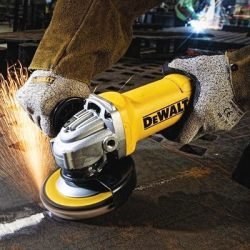
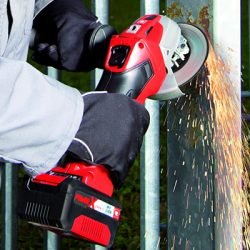
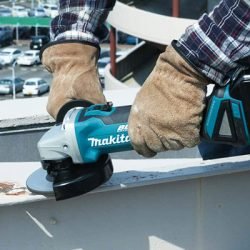
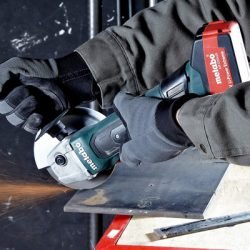
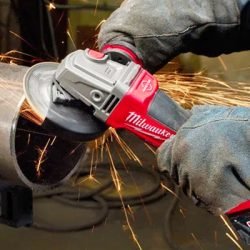
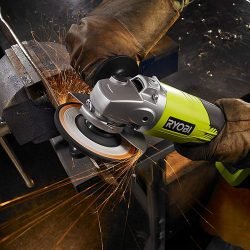


A cordless angle grinder gives you the flexibility to tackle cutting, grinding and surface preparation without relying on a mains power cable. For Australian tradespeople, maintenance workers, workshop users and DIY enthusiasts, this freedom can make a difference when working across a jobsite, outdoors or in areas where access to a power outlet is limited.
These versatile power tools use a rechargeable battery to drive a rotating abrasive disc or cutting wheel. Depending on the compatible accessory, an angle grinder can help with tasks such as cutting metal, removing rust, smoothing welds, deburring edges and preparing surfaces. The same tool can therefore support several stages of a project, provided you use the correct disc and follow the manufacturer's instructions.
Start by considering the type of work you expect to perform most often. A grinder used for occasional DIY maintenance may have different requirements from one used regularly for fabrication, construction or metalwork. Think about the materials you need to work with, the accessories you intend to use and how frequently the grinder will operate.
The main advantage of a cordless design is mobility. Without a trailing power lead, you can move around a vehicle, workshop, building site or outdoor work area more freely. This can also reduce the need for extension leads and make short jobs easier to set up. Runtime depends on the battery, workload, disc and tool design, so users with demanding applications may benefit from having compatible spare batteries available.
Angle grinders can perform different jobs when fitted with suitable accessories. Grinding discs can help shape or smooth metal, while appropriate cutting discs are designed for cutting compatible materials. Other accessories may support cleaning, deburring or surface preparation. Always check that the disc is suitable for the material, grinder and intended application before use.
Disc diameter is an important consideration because it affects the applications a grinder can handle. Compact models can be convenient for lighter work and tighter spaces, while larger grinders may be intended for more demanding applications. Check the manufacturer's specifications for the supported disc size and never fit an accessory that exceeds the tool's stated limits.
Battery specifications can influence available power, operating time and overall tool weight. If you already use cordless tools from a particular battery platform, compatibility may be worth considering when selecting a grinder. A compatible battery system can allow you to share batteries between suitable tools, subject to the manufacturer's specifications.
Grinding can involve vibration, sparks and substantial material removal, so handling and control matter. Look for features such as an adjustable side handle, suitable grip areas, a spindle lock and a guard designed for the intended accessory. A manageable weight can also be useful when working for extended periods. Personal protective equipment, including appropriate eye and hearing protection, should be used according to the task and safety guidance.
With a suitable accessory, a cordless grinder can be useful for cutting and shaping compatible metal components. It can also help smooth rough edges or work around welds during fabrication and repair tasks. Use controlled movements and avoid forcing the disc through the material.
Suitable grinder accessories can assist with cleaning metal surfaces before repair, finishing or coating. Removing corrosion, old residue and surface imperfections can help prepare a workpiece for subsequent treatment. Match the accessory to the surface to avoid unnecessary material removal.
For home workshops and general maintenance, a cordless angle grinder can be a practical addition to a broader collection of power tools. Its cable-free design is particularly useful for occasional work on equipment, metal components and outdoor projects where portability is helpful.
When comparing cordless angle grinders, focus on the combination of tool size, battery requirements, intended application, accessory compatibility and handling characteristics rather than choosing on one specification alone. Consider the work you perform most frequently and select a grinder that matches those requirements.
Whether you need a portable grinder for workshop maintenance, metal fabrication, construction tasks or DIY projects, the cordless category provides a convenient way to work without a mains cable. Check the individual product specifications carefully for battery compatibility, disc requirements and operating details before making your purchase.
Choose a cordless angle grinder when you want the freedom to cut, grind, deburr and prepare materials without being restricted by a power cable. Battery-powered angle grinders are practical for workshops, construction sites, maintenance jobs and DIY projects where mobility matters. Explore the cordless angle grinder category to find a suitable option for your cutting and grinding requirements in Australia.