

♥ Wishlist


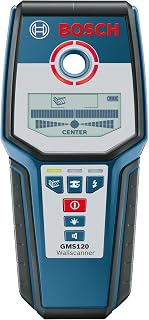


A Makita cordless wall scanner can help Australian tradespeople, contractors, installers and DIY users identify objects hidden behind wall and building surfaces before drilling, cutting or mounting fixtures. A wall scanner is designed to provide information about concealed materials, which can make renovation, installation and construction tasks easier to plan. A cordless design also provides freedom to move around a worksite without depending on a nearby power outlet.
When comparing a Makita cordless wall scanner, start by considering what you need to detect. Depending on the scanner and its technology, useful detection capabilities may include studs, metal objects, pipes, electrical cables and other concealed structures. Different walls and construction materials can affect scanning performance, so selecting the appropriate operating mode and following the manufacturer's instructions remains important.
Drilling into an unknown section of a wall can create unnecessary risks. A scanner can help you investigate the area before making an opening. This is particularly useful when installing shelves, cabinets, fixtures, conduits, brackets or other equipment. By checking the wall first, you can identify potential obstacles and make more informed decisions about where to work.
Cordless operation is another practical advantage. A battery-powered scanner can be carried between rooms, work areas and jobsite locations without managing a mains power cable. This can be convenient for builders, electricians, installers and renovators who regularly work in different areas of a property.
Detection capability should be one of the first factors you examine. Some scanners are designed to identify several types of concealed objects, while others focus on particular materials or applications. If your work involves different wall constructions, look for a model with suitable scanning modes for the materials you regularly encounter.
Depth detection can also be useful. Knowing how deeply an object may be located can provide additional information when planning an installation. However, stated detection depths can vary according to material, object size, wall construction and environmental conditions. Always check the manufacturer's specifications for the specific model rather than assuming that one depth applies to every situation.
Clear visual indicators and audible alerts can make scan results easier to interpret. A straightforward interface may also reduce the time needed to understand readings while working. For users who frequently move between locations, portability, battery compatibility and overall handling should form part of the buying decision.
For renovation projects, a wall scanner can help identify possible obstructions before you install new fixtures or alter an existing wall. For professional construction work, detection capability, operating efficiency and durability may be more important because the tool can be used repeatedly across larger projects. For occasional DIY tasks, simple controls and convenient operation may be higher priorities.
Australian homes and commercial buildings can contain different wall materials and construction methods. Therefore, do not select a scanner based on brand name alone. Consider the materials you normally encounter, the objects you need to detect and the type of work you perform. A scanner that suits one application may not provide the same advantages for another.
A wall scanner should support careful planning, not replace safe working practices. Read the operating instructions before use and select the appropriate scanning mode. Move the scanner as instructed and pay attention to changes in the display or alerts. Environmental conditions and nearby electronic equipment can sometimes influence readings, so follow the manufacturer's recommendations for achieving reliable results.
Particular care is necessary when electrical wiring may be present. Detection technology can assist with identifying potential hazards, but users should never assume that an area is completely safe simply because a scanner produces no warning. Follow applicable electrical safety practices and obtain qualified assistance where required.
Before choosing a Makita cordless wall scanner, compare the features that matter most for your projects. Consider detection targets, scanning modes, depth capability, display information, battery requirements and portability. Also check the current product specifications and availability because product configurations can vary between markets.
For Australian shoppers, reviewing the complete product details before purchase can help ensure that the selected scanner matches the intended application. A well-chosen wall scanner can become a useful part of a professional toolkit or home renovation setup, particularly when accurate preparation is important before drilling, cutting or installation.
Find a Makita cordless wall scanner for accurate wall inspection, renovation planning and professional installation work in Australia. Compare cordless scanning options and consider detection capability, operating convenience, scanning modes and job requirements before choosing a suitable model.