
♥ Wishlist


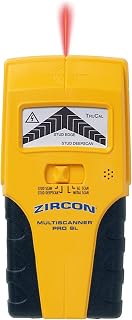


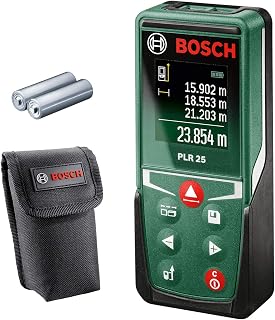


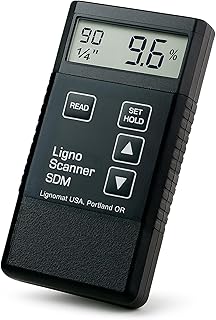


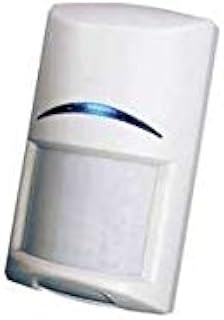
A Bosch cordless wall scanner can help tradespeople, installers, renovators and serious DIY users examine walls before starting work. Instead of relying only on visible signs or building plans, a scanner provides another source of information about what may be concealed behind a surface. This can support better planning when installing fixtures, running cables, mounting equipment or carrying out renovation work.
Cordless operation also suits mobile jobs where access to a convenient power outlet may not be available. A battery-powered design can be carried between rooms, work areas and job sites without managing a mains power lead during scanning. For Australian users who regularly move between residential, commercial and construction environments, portability can make a wall scanner easier to incorporate into an existing workflow.
Wall scanners are designed to investigate materials and identify concealed objects according to the capabilities of the individual model. Depending on the scanner and its detection technology, users may be able to locate materials such as metal, wood or other objects behind a surface. Detection performance can vary with wall construction, material density, moisture, depth and other site conditions.
For this reason, users should always read the specifications and operating instructions for the particular Bosch model before relying on its readings. A scanner is a planning and detection aid rather than a replacement for safe working procedures, site documentation or professional judgement.
When comparing Bosch cordless wall scanners, consider the type of work you regularly perform. A renovation professional may need a versatile scanner for different wall structures, while an electrician, plumber, carpenter or installer may have more specific detection requirements. Think about the materials you commonly encounter, the required detection depth, the display or indication system and the amount of portability you need.
Start by considering what you need to locate. Different projects can involve concealed metal components, timber structures, pipes, cables or other objects. Matching the scanner's supported detection functions with your typical applications can help you select a suitable model.
Detection depth is another important consideration. Building materials differ considerably, and the same scanner may perform differently depending on the construction of the surface being examined. Before purchasing, check the manufacturer's stated specifications and consider the materials and thicknesses found in your typical Australian work environment.
A cordless scanner can be convenient for users who need to inspect several locations during a job. Consider battery compatibility, operating time and the charging arrangements associated with the model. If you already use compatible Bosch battery equipment, checking the relevant battery system can also help with practical job-site planning.
A wall scanner can be useful before drilling mounting points for shelves, cabinets, fixtures, electrical equipment and other installations. Renovators can use scanning as part of their preparation process when investigating existing walls. Tradespeople can also incorporate detection into installation and maintenance routines where concealed materials could affect the planned work.
For DIY projects, scanning can provide additional information before making holes in a wall. However, users should follow all safety instructions and use appropriate methods for confirming the presence of electrical services, plumbing and structural elements. When there is uncertainty about concealed services, qualified professionals should be consulted.
Bosch is widely associated with professional measuring and detection equipment, and its wall scanning solutions are designed around practical job-site requirements. When comparing products in this category, focus on the actual specifications and features of each model rather than choosing solely by brand name. Detection modes, supported materials, scanning depth, display information, power system and handling characteristics can all influence suitability.
Australian shoppers should also consider the environment in which the scanner will be used. Frequent site work may place greater emphasis on portability and straightforward operation, while occasional home renovation users may prioritise ease of use and the detection functions relevant to their particular project.
The Bosch cordless wall scanner category is suited to users who want a portable way to investigate concealed objects before beginning drilling, fixing or renovation tasks. Compare the available models according to detection capability, operating requirements and intended application. Reviewing the product specifications carefully can help you choose equipment that matches your work rather than paying for features you do not need.
Whether you are preparing a renovation, installing fixtures or working on a professional construction project, make wall scanning part of a broader safe-work process. Use the scanner according to its instructions, verify important findings using appropriate methods and take additional precautions whenever concealed electrical, plumbing or structural components may be present.
Find a Bosch cordless wall scanner for practical detection work across renovation, installation, maintenance and construction projects in Australia. A wall scanner helps users investigate surfaces before drilling, cutting or fixing by identifying potential objects hidden behind walls and other building materials. This makes scanning an important preparation step when working around concealed services and structures.