

♥ Wishlist
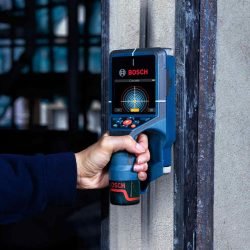
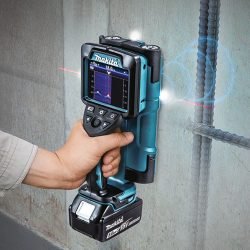


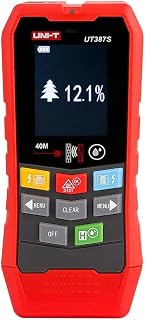


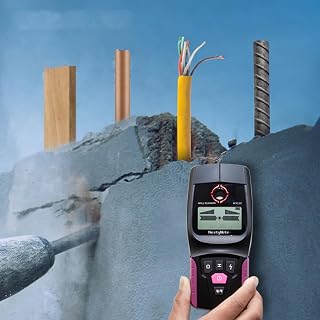


A cordless wall scanner is designed to help you investigate concealed areas before you drill, screw, cut or install fixtures. Depending on the model, a scanner may detect materials or structures such as timber studs, metal components, pipes and electrical cables behind a surface. This makes it a useful addition to a tool kit for renovation, maintenance, cabinetry, shelving and general building work.
For Australian shoppers, choosing the right scanner starts with understanding the job you need to complete. A compact model may suit occasional DIY projects, while a more capable scanner can be useful for frequent renovation or trade applications. Consider the materials you commonly encounter, the required detection depth, the type of display and how easily you can operate the scanner while working.
Wall scanners use sensing technology to identify changes beneath a surface. Depending on the product, detection modes can help locate studs, metal objects, pipes or live electrical wiring. Always check the manufacturer's specifications because detection capability and depth vary between models and materials.
Finding studs can make it easier to position shelves, cabinets, brackets and other wall-mounted items securely. A scanner can help you identify likely structural points without relying only on tapping or visual clues.
Renovation work can become more complicated when plumbing or metal components are concealed inside a wall. A suitable scanner can provide an additional check before drilling. However, electronic detection should complement careful planning and should not be treated as an absolute guarantee that an area is clear.
Some wall scanners include modes for detecting electrical wiring. This feature can be particularly useful before drilling into plasterboard, masonry or other building surfaces. Follow the product instructions carefully and take appropriate electrical safety precautions before starting work.
When comparing cordless wall scanners, look beyond the basic ability to detect objects. Detection modes, maximum sensing depth, display design, alerts, calibration and operating controls can all affect usability. A clear display can make results easier to interpret, while audible or visual alerts can provide useful feedback as you move the scanner across a surface.
Battery operation is another important consideration. A cordless design eliminates the need for a mains cable and can make scanning easier in rooms, ceilings, workshops and construction areas without convenient power access. Check the battery type, runtime and charging requirements before choosing a model for regular use.
Start by considering the surfaces you expect to scan. Plasterboard, timber, masonry and other construction materials can produce different results. If you regularly work on renovation projects, look for a scanner with detection modes suited to the materials and concealed objects you encounter most often.
Next, consider the depth required for your projects. A higher stated detection depth does not necessarily mean the scanner will identify every object at that depth in every material. Product specifications should therefore be viewed in the context of the surface, object size and scanning conditions.
Ergonomics also matter. A scanner that sits comfortably in your hand can be easier to guide steadily across a wall. Simple controls and an easy-to-read display can reduce unnecessary interruptions when checking several areas. For trade users, durability and battery convenience may also be priorities.
Before scanning, read the manufacturer's instructions and prepare the surface according to the recommended procedure. Calibration may be necessary, particularly when switching between materials or detection modes. Move the scanner steadily rather than rushing across the wall, and repeat important checks from different directions where appropriate.
Mark suspected locations only after you have interpreted the scanner's indication carefully. If a project involves electrical wiring, plumbing or structural elements, use suitable professional practices in addition to electronic detection. A wall scanner is a locating aid rather than a substitute for responsible construction and electrical procedures.
A cordless wall scanner can support many common tasks. DIY users may use one when mounting televisions, shelves, mirrors, cabinets or wall storage. Renovators can use scanning as part of pre-drilling checks, while tradespeople may use scanners when assessing walls before installing fixtures or carrying out maintenance.
The cordless format can be especially convenient when checking large wall areas or working away from convenient power outlets. It also keeps the work area free from a trailing power cable, which can make repeated scanning more manageable.
Explore cordless wall scanner options with your intended application, detection requirements and working environment in mind. Compare available specifications carefully, including detection capabilities, sensing depth, battery arrangements, display features and operating modes. Choosing a scanner that matches the surfaces and concealed materials you commonly encounter can make pre-drilling checks more straightforward.
Whether you are completing a home improvement project or carrying out regular maintenance work, a suitable cordless wall scanner can provide useful information before you disturb a wall or ceiling. Use the scanner according to its instructions and combine electronic detection with appropriate safety practices for the task.
Find a practical way to check what is behind a wall before drilling, cutting or installing fixtures. A cordless wall scanner can help Australian DIY users, renovators and tradespeople identify concealed objects such as studs, pipes and electrical cables. Without a cord restricting movement, these scanners are convenient for checking walls, ceilings and other building surfaces where access can be awkward.