

♥ Wishlist


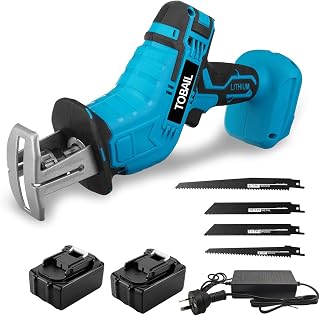


Ryobi reciprocating saws are designed for cutting tasks that require a practical combination of reach, manoeuvrability and cutting power. Unlike a traditional handsaw, a reciprocating saw uses a powered back-and-forth blade movement to make repeated cuts through suitable materials. This makes the format useful for renovation, maintenance, demolition and many DIY applications.
For Australian shoppers, the right reciprocating saw can be a useful addition to a home workshop, garage, shed or mobile tool collection. Depending on the blade selected, these saws can be used for materials such as timber, metal, plastic and other suitable construction materials. Always select a blade designed for the material and application, and follow the manufacturer's operating and safety instructions.
A reciprocating saw is particularly useful when a conventional circular saw or handsaw is difficult to position. The narrow blade can provide access to areas where space is restricted, while the reciprocating action supports fast cutting through appropriate workpieces. This makes the tool suitable for jobs such as trimming timber, cutting through pipework, removing old materials and carrying out renovation work.
Ryobi also offers a broad range of power tools, making its reciprocating saw format relevant to DIY users who want a versatile cutting solution. When comparing models, consider the type of work you regularly perform rather than choosing solely on power or headline specifications.
Consider whether you need a cordless or corded cutting solution. Cordless models can provide greater freedom of movement around a work area, while corded tools can suit locations where continuous mains power is readily available. If selecting a cordless model, check battery compatibility and whether the required battery and charger are included with the product.
The blade has a major influence on cutting performance. Different tooth patterns and blade constructions are intended for different materials and tasks. Timber-cutting blades, metal-cutting blades and specialist blades can offer different results. Before starting a project, confirm that the blade is suitable for the material, thickness and cutting method required.
A reciprocating saw may be used for detailed cuts as well as demanding removal work, so handling is important. Look for a design that feels manageable in your intended working position. Features such as variable speed control, comfortable grips or tool-free blade changes can also be useful depending on the model and application.
Ryobi reciprocating saws can be useful for a wide range of household and workshop projects. They can help with cutting timber during renovation work, removing sections of old framing, trimming branches with an appropriate blade, and cutting suitable metal components. Their compact cutting format can also be helpful when working around existing structures where access is limited.
For demolition tasks, use the correct blade and allow the saw to perform the cutting rather than forcing it through the material. Secure the workpiece wherever possible and keep the blade path clear. For outdoor work, make sure the selected saw and blade are appropriate for the intended application and environmental conditions.
When comparing Ryobi reciprocating saws, start by identifying the materials you expect to cut and how frequently you will use the tool. DIY users carrying out occasional repairs may prioritise ease of handling and convenience, while renovation or maintenance work may place greater emphasis on cutting capability, battery runtime or continuous power.
It is also worth considering the accessories you already own. If you use other compatible cordless tools, a matching battery platform may help simplify your tool collection. Check the individual product specifications carefully for included batteries, chargers, blades and other accessories before purchasing.
Explore Ryobi reciprocating saws for practical cutting across DIY, renovation, maintenance and workshop projects. Compare available models according to power source, intended application, handling requirements and included accessories. Choosing the right combination of saw and blade can help you work efficiently while maintaining appropriate control for the task.
For safe operation, always read the product instructions before use, wear suitable personal protective equipment and make sure the cutting area is secure. Use only compatible blades and accessories, and inspect the tool before starting work. With the appropriate setup, a Ryobi reciprocating saw can become a versatile part of an Australian home or professional tool collection.
Ryobi reciprocating saws are versatile cutting tools designed for jobs where speed, access and controlled cutting matter. Whether you are tackling renovation work, DIY projects, landscaping tasks or general maintenance, a reciprocating saw can help cut through a range of common materials with the appropriate blade. Explore the Ryobi reciprocating saw range to find a practical option for your Australian workshop, shed or job site.