

♥ Wishlist


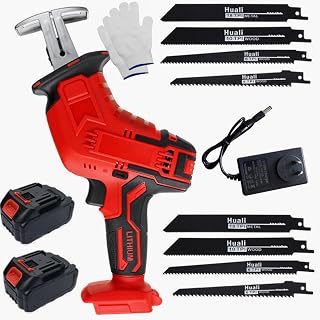


Makita reciprocating saws are built for users who need a versatile cutting tool for demanding jobs. Their narrow blade design and back-and-forth cutting action make them useful when a circular saw or other cutting tool cannot easily reach the work area. Depending on the blade selected, a reciprocating saw can cut timber, metal, plastic, pipework and other common materials.
For Australian tradespeople, renovators and DIY users, the right reciprocating saw can make many cutting tasks more manageable. These tools are commonly used for renovation work, construction, demolition, plumbing, electrical work, landscaping and general property maintenance. A suitable model can help you cut through materials efficiently while giving you greater access in confined or awkward spaces.
Makita reciprocating saws are designed with practical job-site use in mind. Depending on the model, features can include variable speed control, tool-less blade changes, adjustable cutting characteristics and ergonomic handling. These features can help users adapt the saw to different materials and applications.
Cordless models are particularly convenient when working away from power outlets. They can also reduce the need to manage a power cable around a work area. For users already working with compatible Makita battery platforms, a cordless reciprocating saw can provide an efficient addition to an existing tool collection. Corded options can suit users who prefer continuous mains-powered operation for suitable applications.
A cordless reciprocating saw can be useful for mobile work around construction sites, homes, workshops and outdoor areas. Without a power cord restricting movement, users can position the saw more easily around framing, pipes and other structures. Battery-powered operation also makes these saws convenient for repair and maintenance tasks where portability is important.
When selecting a cordless model, consider battery compatibility, available battery capacity, expected workload and the amount of time you need to operate the tool between charges. If you already own compatible Makita batteries, checking platform compatibility can help you choose a saw that fits your existing equipment.
The blade is an important part of reciprocating saw performance. Timber blades are designed for wood-cutting applications, while metal-cutting blades use tooth configurations suited to metal and similar materials. Specialised blades are also available for applications such as plastic, pipe and demolition work.
Always select a blade appropriate for the material and thickness you intend to cut. A suitable blade can improve cutting efficiency and help provide better control. Replace worn or damaged blades before starting a demanding task, and follow the manufacturer's guidance for safe operation.
Start by identifying the jobs you expect to perform most often. If you regularly work in different locations, a cordless reciprocating saw may provide useful freedom of movement. If the tool will mainly operate in a workshop or near a suitable power source, a corded model may meet your requirements.
Also consider cutting speed, stroke characteristics, ergonomics, weight and control. A lighter saw can be easier to manoeuvre during overhead or extended work, while other users may prioritise cutting capability for demanding applications. Variable speed control can be useful when working with different materials because it allows the operator to adjust the cutting action to the task.
Blade-changing convenience is another practical consideration. Tool-less systems can make it quicker to change blades when moving between applications. If you regularly perform demolition or renovation work, look for a model and blade combination suited to the materials you commonly encounter.
Australian construction, renovation and maintenance projects can involve a wide variety of materials and working conditions. A reciprocating saw can be particularly useful for cutting where access is restricted or where a long, straight cutting setup is impractical. It can complement other saws in a broader workshop or job-site tool collection.
For safe operation, wear appropriate eye and hearing protection and use suitable personal protective equipment for the task. Secure the workpiece whenever practical, keep both hands positioned according to the tool instructions and allow the blade to reach the required operating condition before beginning the cut. Inspect the blade and tool before use and follow Makita's operating and safety instructions.
Choosing the right Makita reciprocating saw comes down to matching the tool with your applications. Consider whether you need cordless mobility or corded operation, the materials you cut most often, the blades you plan to use and the type of work environment. Comparing these factors can help you select a saw that fits your workshop, renovation project or professional workload.
Explore the Makita reciprocating saw category to compare available options and identify a model that matches your cutting requirements. Whether you need a portable saw for maintenance work or a capable cutting tool for construction and demolition applications, selecting the right combination of saw, battery and blade can help you approach each job with greater efficiency.
Makita reciprocating saws offer a practical cutting solution for renovation, construction, demolition, maintenance and general workshop tasks. Designed around the familiar reciprocating blade action, these saws can handle a wide range of cutting jobs where access, speed and versatility matter. Australian users can choose a suitable Makita reciprocating saw based on power source, cutting requirements, handling preferences and the materials involved.