
♥ Wishlist
Compare 7 Cordless Leaf Blowers products in Australia. Reviews, ratings, pros, cons and buying advice updated for October 2026.
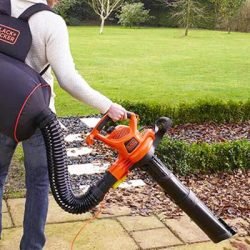
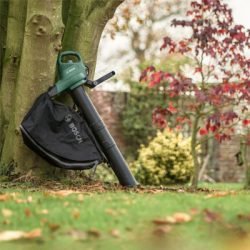
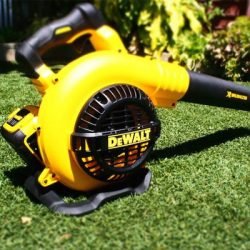
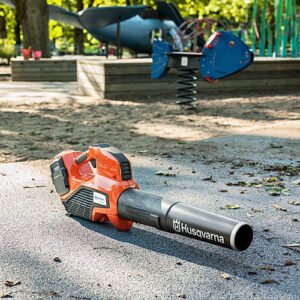
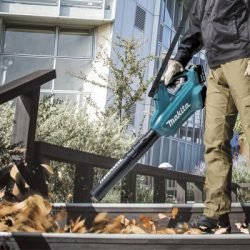
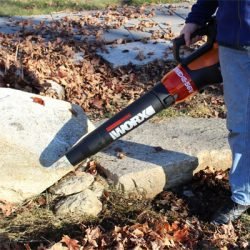
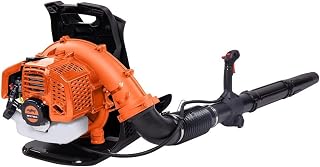


Choosing an advanced cordless leaf blower involves more than comparing maximum air speed. For Australian gardens, the most useful combination is usually adequate blowing force, controllable airflow, sensible battery capacity, comfortable handling and a battery platform that suits the rest of your outdoor power equipment. A blower that looks powerful on paper may not be the best choice if it is unnecessarily heavy, difficult to control around garden beds or dependent on a battery system you do not already own.
Before comparing individual models, consider the type of material you regularly need to move. Dry leaves on a paved driveway require a different level of performance from wet leaves, grass clippings, small twigs and debris collected around fences or garden edges. Large suburban blocks may also make battery runtime considerably more important than peak air velocity.
Two specifications appear frequently when comparing cordless blowers: air speed and air volume. They describe different aspects of performance and should not be treated as interchangeable.
For buying decisions, it is better to assess the complete airflow system than to select a blower solely because it advertises the highest air-speed figure. Manufacturer specifications can also be measured under different conditions, so figures from different brands should be compared carefully rather than assumed to be directly equivalent.
Advanced cordless blowers commonly provide a trigger, electronic speed control or another method of adjusting airflow. This is more than a convenience feature. Precise control can make garden cleanup faster because the operator can match the airflow to the material being moved.
A high setting may be appropriate for wet leaves or heavier debris, while a lower setting can help prevent dry leaves from scattering in every direction. Lower power can also be useful when working near decorative mulch, loose soil, gravel, garden edging and delicate plants.
A lock-on or cruise-control function can be useful during longer cleanup sessions because it reduces the need to continuously hold a trigger at maximum pressure. However, controls should remain easy to operate while wearing suitable outdoor-work gloves.
Battery voltage alone does not tell you how long a cordless blower will operate. Runtime is influenced by battery capacity, power demand, operating mode, temperature, airflow setting, battery condition and the amount of work being performed.
Battery capacity is commonly represented in amp-hours. Watt-hours can provide a more useful way of comparing batteries with different voltage ratings because they take both voltage and capacity into account. In simplified terms, battery energy can be estimated from voltage multiplied by amp-hours, although real-world usable energy is affected by operating conditions and battery-management systems.
For occasional driveway cleanup, a smaller battery may be sufficient and can make the blower easier to handle. For larger properties, a higher-capacity battery or a second compatible battery may be more practical. Buyers should also consider charging time if the blower will be used repeatedly during the same day.
If you already own cordless power tools, check whether the leaf blower belongs to the same battery ecosystem. Brands such as Makita, DeWalt, Ryobi, Milwaukee, Bosch, EGO, Greenworks and other manufacturers offer cordless equipment built around battery platforms, although compatibility is generally limited to the appropriate platform and voltage family.
Using an existing battery platform can reduce the need to purchase another charger and multiple batteries. It may also make it easier to maintain a collection of outdoor tools using interchangeable batteries where the manufacturer explicitly supports that compatibility.
Do not assume that batteries are interchangeable simply because two products carry the same brand name. Check the manufacturer's compatibility information for the exact tool and battery series before buying.
The ideal battery depends on how much ground needs to be cleared and how aggressively the blower will be used.
Remember that maximum-power operation can consume substantially more energy than lower-speed sweeping. A blower with multiple speed settings can therefore offer a practical runtime advantage when the operator uses only as much power as the job requires.
Many premium cordless blowers use brushless motors. A brushless motor uses electronic commutation rather than traditional mechanical brushes, which can reduce certain forms of wear and allow manufacturers to build efficient high-output cordless equipment.
Brushless technology can be attractive for buyers who expect frequent use, but the presence of a brushless motor should not automatically make one blower superior to another. Overall airflow, control, ergonomics, battery efficiency, warranty terms, service arrangements and the intended workload remain important.
For an occasional homeowner, paying substantially more solely for a particular motor type may not provide meaningful value if a simpler model already meets the required workload.
Some advanced cordless blowers include a temporary boost or turbo function. This can be helpful when dealing with wet leaves, compacted debris or material that is difficult to shift using normal airflow.
The trade-off is increased battery consumption. A blower that spends most of its operating time in boost mode may deliver considerably less practical runtime than when operated at moderate power. Treat boost as a tool for demanding sections rather than assuming it should be used continuously.
A blower's advertised performance is only useful if you can comfortably control it for the duration of the job. Weight, balance, grip shape, trigger placement and nozzle position all influence fatigue.
Battery placement is especially important. A heavier battery mounted at the rear can change the balance of the tool, while a compact battery may make the blower easier to manoeuvre. When comparing models, consider the weight of the complete operating tool rather than the bare blower if the battery is sold separately.
For larger cleanup tasks, a well-balanced blower can feel easier to use than a theoretically more powerful model that produces greater wrist or shoulder fatigue. A comfortable grip and intuitive controls are particularly valuable when clearing leaves from a large driveway or garden.
The blower tube determines how airflow is directed toward the work surface. Some models use interchangeable or removable nozzles for different applications.
A nozzle that concentrates airflow can make a blower feel significantly more forceful without changing the motor. Consequently, nozzle configuration should be considered when comparing specifications between different products.
Dry leaves are relatively easy to move because they are lightweight and can slide or roll across hard surfaces. Wet leaves are a different challenge. Moisture increases their weight and can cause them to stick to paving, grass and each other.
If your garden regularly accumulates wet leaves, prioritise controllable high airflow, adequate battery capacity and a nozzle configuration capable of concentrating airflow. For heavy debris such as small twigs, do not assume that a leaf blower is designed to move every type of material. Check the manufacturer's intended use and limitations.
Blowing leaves from concrete, pavers and asphalt is generally straightforward because the material can move freely across the surface. Grass introduces additional resistance, while garden beds require considerably more control.
When working around mulch or loose decorative material, maximum airflow may scatter material along with the leaves. A variable-speed blower allows you to reduce output and work closer to plants, borders and garden features.
For delicate areas, start at a low setting and increase airflow gradually. This approach is often more effective than beginning at maximum power and attempting to control the resulting debris cloud.
Cordless blowers eliminate the need for a mains power cable, but they are not silent. Noise remains an important consideration when choosing outdoor power equipment in residential areas.
Noise levels can vary by model, operating speed and measurement method. Where a manufacturer publishes a noise rating, check the measurement information rather than comparing isolated numbers without context.
Local councils, strata schemes, rental properties and residential communities may have rules or recommended hours concerning noisy garden equipment. Before carrying out extended cleanup, check the requirements applicable to your location. Even where no specific restriction applies, considerate operating hours can help reduce disturbance to neighbours.
Rechargeable lithium-ion batteries should be handled according to the manufacturer's instructions. Avoid leaving batteries exposed to excessive heat, direct sunlight or unsuitable storage conditions. Outdoor sheds and garages can become extremely hot during Australian summer conditions, so the recommended storage environment matters.
Use the correct charger for the battery system and inspect batteries, chargers and electrical connections regularly for visible damage. If a battery becomes damaged, swollen, unusually hot or otherwise abnormal, stop using it and follow the manufacturer's safety guidance rather than attempting an improvised repair.
Do not assume that a cordless leaf blower is waterproof simply because it is designed for outdoor use. Water resistance varies between products and components, and a manufacturer's stated environmental limitations should be followed.
Using powered equipment during rain or storing wet equipment in an enclosed space can create unnecessary electrical and corrosion risks. After outdoor use, allow equipment to dry appropriately before storage and follow the manufacturer's cleaning instructions.
There is no single cordless leaf blower brand that is automatically the best choice for every Australian household. The better question is whether the complete system matches your existing tools and expected workload.
These brands cover different tool ecosystems and product ranges. The right choice should be based on the specific model's specifications and compatibility rather than the brand name alone.
Handheld blowers are usually the most straightforward option for normal residential cleanup. Backpack designs distribute equipment weight differently and can be attractive for prolonged or demanding use.
A handheld blower may be preferable when you need quick access for patios, driveways, small lawns and occasional leaf removal. A backpack configuration may make more sense when large areas require extended operation and the operator values reduced arm fatigue.
Backpack models can also involve higher purchase costs, larger battery systems or additional equipment considerations. They are therefore not automatically better for a typical homeowner.
For larger properties, owning more than one compatible battery can be more convenient than waiting for a depleted battery to recharge. This is particularly useful when the same battery platform powers other garden tools.
However, additional batteries increase the total cost of ownership. Before buying spares, estimate how long your typical cleanup takes and compare that with realistic runtime at the power setting you normally use.
Cordless outdoor equipment may be sold as a bare tool or as a kit containing one or more batteries and a charger. A tool-only price can initially look attractive, but it may not represent the actual cost if you do not already own a compatible battery and charger.
When comparing offers, calculate the complete system required to operate the blower. A more expensive kit can sometimes represent better overall value if it includes a suitable battery and charger that would otherwise need to be purchased separately.
When two models appear similar, compare them using the same criteria rather than relying on marketing language.
This approach is particularly useful when comparing premium products from different manufacturers because headline specifications often emphasise different aspects of performance.
A useful buying strategy is to start with the job rather than the specification sheet. If your main task is removing a few dry leaves from a patio, maximum-output equipment may be unnecessary. If you routinely clear large quantities of leaves from a substantial property, greater airflow and battery capacity can provide a meaningful advantage.
Consider the heaviest routine task rather than the easiest one. A blower that handles only dry leaves comfortably may become frustrating when autumn debris becomes damp or accumulates in thick layers.
Small gardens generally benefit from compact equipment that is easy to store and manoeuvre. Useful features can include a lightweight design, variable-speed control, a compact battery and a simple charging system.
For a small property, excessive power can be counterproductive if it scatters leaves into neighbouring areas or disturbs mulch and loose material. A controllable blower can therefore be more useful than the highest-output option available.
Large properties place greater emphasis on energy capacity and operator comfort. Buyers should pay particular attention to runtime, battery availability, charging speed, spare-battery cost and tool balance.
A blower that can operate efficiently at moderate power for a longer period may be more practical than a model that provides exceptional peak output but requires frequent battery changes.
Regular maintenance helps keep outdoor power equipment operating reliably. Always follow the specific maintenance instructions supplied with the model because construction and service requirements differ.
Leaf blowers can move dust, stones, sticks and other debris at high speed. Wear appropriate eye protection and follow the personal protective equipment recommendations supplied by the manufacturer.
Keep people and animals away from the immediate work area where appropriate, particularly when clearing gravel, loose material or debris that may become airborne. Be cautious around windows, vehicles and painted surfaces that could be damaged by flying material.
Do not point the blower toward people or animals. Take additional care when working near roads, pedestrian areas and neighbouring properties.
A conventional blower is designed primarily to move debris from one location to another. A blower-vac or blower-mulcher can provide additional functionality by collecting and, in some designs, reducing leaves into smaller pieces.
The extra functionality can be useful if you want to collect leaves for composting or disposal, but it can also add weight, complexity and maintenance requirements. If your normal routine is simply to sweep leaves into a manageable pile, a dedicated blower may be the simpler choice.
Cordless blowers can be attractive for homeowners who prioritise convenient starting, lower routine handling complexity and freedom from a power cord. They can also fit naturally into a broader battery-powered garden-tool system.
Petrol equipment can still appeal to users who need extended continuous operation and already maintain petrol-powered outdoor machinery. The better choice depends on property size, workload, storage, noise considerations, maintenance preferences and the equipment system already owned.
Corded electric blowers can be practical when a suitable outdoor power connection is readily available. The main limitation is cable management and the operating range imposed by the cord.
Cordless equipment provides greater freedom of movement and is especially convenient for larger driveways, gardens and areas where extension cables would be awkward. The trade-off is battery charging and finite runtime.
The purchase price is only one part of the cost of owning a cordless blower. Consider the blower, battery, charger, spare batteries, replacement components and the expected service life of the equipment.
If you already own compatible batteries, a tool-only model may provide a straightforward route into the platform. If you are starting from zero, compare complete kits and calculate the cost of the entire system rather than focusing on the blower's advertised price alone.
Customer reviews can be useful, but they should be interpreted alongside technical specifications. Look for repeated comments concerning battery runtime, balance, trigger control, charging, durability and suitability for particular types of debris.
Give more weight to reviews describing the user's property size and workload when those details are available. A person clearing a small patio has very different requirements from someone maintaining a large block.
Also distinguish between dissatisfaction caused by the product itself and dissatisfaction caused by unrealistic expectations. A compact blower may be perfectly suitable for light cleanup even if it is not intended for prolonged heavy-duty work.
There is no universally best cordless leaf blower for every Australian buyer. A top-ranked product for maximum performance may be excessive for someone with a small garden, while a lightweight budget-oriented model may not satisfy a buyer dealing with large areas and heavy seasonal debris.
Use rankings as a starting point for comparison rather than as a substitute for checking specifications. The most suitable option is the model that provides enough performance for your workload without imposing unnecessary battery cost, weight or complexity.
Before purchasing a cordless leaf blower in Australia, use this checklist to narrow down the options:
The best option depends on property size, debris type, desired runtime, budget and whether you already own compatible batteries. A compact model can be ideal for light residential work, while larger properties may justify higher airflow, greater battery capacity and more advanced controls.
No. Air speed is only one part of blower performance. Air volume, nozzle design, variable-speed control, battery efficiency and ergonomics can be equally important depending on the job.
Choose enough capacity to complete your normal cleanup without making the tool unnecessarily heavy. Small properties may work well with compact batteries, while larger areas can benefit from higher-capacity or spare batteries.
Brushless motors can offer advantages for efficient cordless equipment and frequent use, but motor type should be considered alongside airflow, battery performance, ergonomics, warranty and price.
There is no single runtime that applies to every blower. Runtime depends on battery capacity, selected power level, boost usage, debris conditions and the specific motor and electronics. Manufacturer runtime figures should therefore be treated as model-specific information rather than a universal benchmark.
Often, yes, when the tools belong to the same compatible battery platform. However, compatibility should always be confirmed for the exact battery and tool series rather than assumed from the brand name.
Many are capable of moving wet leaves, but wet material generally requires more force than dry leaves. Higher airflow, concentrated nozzle control and sufficient battery capacity can make these tasks easier.
Not necessarily. Backpack designs can be advantageous for prolonged or demanding work, while handheld models can be more convenient for ordinary household cleanup. Choose according to workload, duration and personal comfort.
A turbo mode can be useful for short periods when dealing with stubborn or wet debris. It is less important if your normal work consists of light dry leaves and routine sweeping.
They generally require routine cleaning, inspection and appropriate battery care. Follow the manufacturer's maintenance instructions and avoid attempting unauthorised repairs to batteries or electrical components.
Compare the complete package rather than the advertised tool price. Check whether the listing includes a battery and charger, then consider the cost of compatible spare batteries and the wider battery platform.
Weight becomes increasingly important during longer cleanup sessions. Compare the complete operating weight, including the battery you intend to use, and consider how the tool is balanced in the hand.
For many routine surface-cleaning tasks, a blower can substantially reduce the need for manual raking. A rake may still be useful for compacted leaves, garden beds, precise collection and situations where blowing debris is unsuitable.
The strongest cordless leaf blower choice is not necessarily the model with the most impressive headline specification. Start by defining your property, the type of debris you encounter and the amount of time you normally spend cleaning. Then compare airflow, battery capacity, runtime, weight, controls and battery-platform compatibility.
For buyers already invested in cordless tools, battery compatibility can be one of the most important purchasing factors. For first-time buyers, the complete cost of the blower, battery and charger deserves equal attention. For large properties, runtime and ergonomics can matter more than occasional peak performance. For smaller gardens, compact size and precise airflow control may provide better everyday usability.
Before making a purchase, check the exact model specifications, current Australian retailer pricing, battery configuration, warranty terms and recent customer feedback. Product ranges can change during 2026, so verify the current specification for the particular model you are considering rather than relying on information from an older generation.