

♥ Wishlist
Compare 29 Cordless Metal Shear products in Australia. Reviews, ratings, pros, cons and buying advice updated for October 2026.
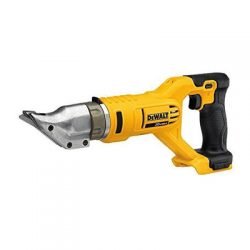
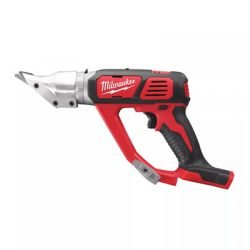


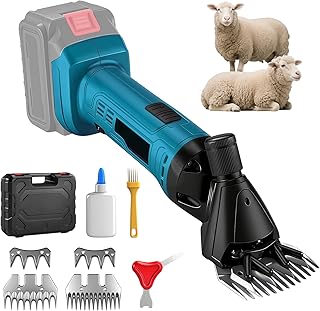


Choosing an advanced cordless metal shear is less about finding the most powerful-looking specification and more about matching the tool to the sheet material, cutting pattern, workload, battery platform and finish you need. Cordless metal shears have become useful alternatives to corded equipment for installers, fabricators, roofers, HVAC technicians, electricians, maintenance workers and serious DIY users who need to make clean cuts without managing a power cable.
For Australian buyers, the right choice can vary considerably depending on whether the tool will be used for occasional sheet-metal work, repeated fabrication, roofing and cladding, ductwork, automotive panels or general workshop projects. A compact shear that is convenient for short cuts may be preferable for overhead work, while a heavier professional model may make more sense when cutting thicker material repeatedly.
This guide is designed to help with commercial investigation rather than simply presenting a list of specifications. Before choosing a cordless metal shear, consider the material you intend to cut, the maximum thickness you genuinely require, the type of cuts you make most often, battery compatibility, ergonomics, visibility, replacement cutting components and the total cost of the cordless platform.
A cordless metal shear uses a powered cutting mechanism to separate sheet material through controlled shearing action. Unlike an angle grinder, the cutting process does not depend on an abrasive disc. Compared with many manual aviation snips, a powered shear can reduce the physical effort required for longer cutting sessions and can provide a more consistent cutting motion when used correctly.
The word advanced should not be interpreted as meaning that every newer model is automatically better. In practical terms, an advanced cordless metal shear is generally distinguished by a combination of cutting performance, motor efficiency, battery management, handling, cutting-head design, visibility and durability rather than by one specification alone.
A typical metal shear uses one or more moving cutting elements that work against a stationary or opposing cutting surface. The mechanism creates a shearing action that progressively separates the material. The geometry of the cutting head determines how the tool interacts with the sheet and how easily the operator can follow a line.
This is different from abrasive cutting. An abrasive wheel removes material through friction and produces sparks and debris, while a shear primarily separates the metal mechanically. This distinction can make a shear attractive when the objective is to create a relatively clean cut while avoiding the characteristics associated with abrasive discs.
Cutting performance is influenced by more than motor power. The blade or cutting-head geometry, material hardness, sheet thickness, feed rate, battery condition and operator technique all affect the result. A tool rated for a particular material thickness should therefore be selected according to the actual material you expect to process rather than the maximum figure alone.
Instead of treating a numerical ranking as universally applicable, use the following ten categories to compare candidate models. They provide a more useful framework because different Australian users have very different requirements.
Cutting capacity is one of the first specifications to examine, but it needs careful interpretation. Manufacturers may provide separate capacities for different metals or grades of sheet. A tool may have a higher nominal capacity for softer material and a lower capacity for harder material.
Look for specifications that identify the material rather than relying solely on a single maximum thickness. Mild steel, stainless steel, aluminium and other sheet materials do not necessarily place the same demands on the cutting mechanism.
If most of your work involves thin sheet, buying a substantially heavier tool simply because it has a larger maximum capacity may not provide the best overall experience. Conversely, if you regularly work close to the upper end of a tool's stated capacity, choosing a model with additional capacity can provide a more appropriate margin.
Battery compatibility can be one of the most important buying decisions. A cordless metal shear that shares batteries with tools you already own can be considerably more practical than starting another battery ecosystem.
Common professional power-tool ecosystems include platforms from brands such as Makita, Milwaukee, Bosch Professional and DeWalt. Availability of individual models, batteries, chargers and accessories can vary by market, so Australian buyers should verify the exact local platform and model before purchasing.
Voltage alone does not determine cutting performance. Battery capacity, motor design, electronic controls, cutting mechanism and load conditions also matter. A higher-capacity battery can increase operating time, but it may also add weight. For overhead or extended handheld work, that trade-off deserves attention.
Brushless motors are common in higher-end cordless power tools because they eliminate traditional motor brushes and can be paired with sophisticated electronic control systems. They can offer advantages in efficiency, heat management and maintenance requirements, although the overall quality of the tool still depends on the complete drive system.
A brushed motor is not automatically unsuitable for occasional work. For buyers who use a shear only occasionally, a less expensive platform may be perfectly adequate if its cutting capacity and ergonomics match the intended application.
For frequent professional use, brushless technology may be worth prioritising, particularly when combined with a mature battery ecosystem and suitable electronic protection.
Speed should be evaluated alongside control. A very fast cutting mechanism is not necessarily better if it makes it difficult to follow a marked line or control a curved cut.
Variable-speed operation can be useful when moving between different sheet materials and cutting patterns. Lower speeds may provide additional control for delicate work, while faster operation can be useful for longer straight cuts when the material and tool design permit it.
Check whether the tool uses a trigger, electronic speed control or another method of regulating operation. The placement and feel of the controls can be just as relevant as the published speed specification.
The cutting head is the part of the tool that directly interacts with the workpiece, so its design deserves close inspection. Consider the head's profile, visibility of the cutting line, turning behaviour and ability to access confined spaces.
A compact head can be advantageous when working around ductwork, roofing profiles, panels or installed components. On the other hand, a larger cutting mechanism may be designed for a different balance of durability and capacity.
Users who frequently make curved or shaped cuts should pay particular attention to the manufacturer's intended cutting applications. A tool optimised for long straight cuts may not be the ideal choice for detailed shapes.
Weight is especially important with cordless metal shears because the tool is often used away from a bench. Consider not only the bare-tool weight but also the battery that will normally be attached.
Balance can matter more than the absolute weight. A well-balanced tool can feel easier to control than a slightly lighter tool with an awkward centre of gravity.
Runtime depends heavily on the material, thickness, cutting speed, battery capacity and duty cycle. Manufacturer runtime figures should therefore be treated as application-dependent rather than universal promises.
Professional users should think about battery rotation rather than focusing only on a single battery's theoretical runtime. Having compatible charged batteries available can be more useful than choosing the largest possible battery for every job.
There is also a practical weight trade-off. A high-capacity battery may extend operation but can make a handheld shear heavier. For repeated overhead work, a smaller compatible battery may provide a better balance if sufficient runtime is available.
Cutting components are wear items in demanding applications. Before purchasing, determine what replacement components are available for the exact model and whether the cutting head can be serviced according to the manufacturer's design.
Do not assume that replacement parts for one generation of a tool will fit another generation. Model numbers and cutting-head configurations should be checked carefully.
The long-term cost of ownership includes consumable or replacement components, not just the initial price of the bare tool.
Being able to see the cutting path is essential when precision matters. The shape of the cutting head, position of the handle and user's viewing angle can all affect visibility.
For installation work, this can be particularly important because the cut may need to follow an existing mark, edge or template. A tool that is technically powerful but difficult to see around can slow down real-world work.
If you already own cordless drills, impact drivers, grinders, saws or other tools, battery-platform compatibility should be part of the comparison. Staying within one ecosystem can simplify battery management and charging.
However, compatibility should not override suitability. If the best tool for your application belongs to another platform, compare the complete cost of switching against the benefits of the alternative rather than selecting a tool solely because you already own its batteries.
Mild steel is a common reference material for metal-cutting tools, but thickness remains critical. A shear suitable for light sheet may not be appropriate for repeatedly cutting heavier gauge material.
For mild-steel work, compare the manufacturer's stated capacity with the thickness range you actually encounter. If your workload is close to the tool's maximum rating, consider whether a larger professional model would provide a more appropriate operating margin.
Stainless steel generally requires more consideration because its characteristics can make cutting more demanding than comparable mild-steel sheet. Pay attention to the manufacturer's specific stainless-steel capacity rather than assuming the mild-steel rating applies.
Frequent stainless-steel work is a strong reason to prioritise the cutting mechanism, blade availability and serviceability rather than simply choosing the least expensive cordless shear.
Aluminium is relatively light and is commonly encountered in fabrication and installation applications. Its cutting behaviour can differ from steel, so the published aluminium capacity should be checked separately.
Users working with aluminium panels should also consider how the cutting mechanism interacts with the surface and whether the resulting cut is appropriate for the visible side of the finished work.
Roofing and cladding applications create different ergonomic requirements from bench fabrication. Users may need to work at height, overhead or in exposed positions, making weight, balance, battery management and visibility particularly important.
The correct tool should be selected for the specific sheet profile and material. A shear intended for flat sheet should not automatically be assumed suitable for every profiled roofing product.
HVAC work often involves repetitive cuts, awkward access and relatively thin sheet. Compactness and manoeuvrability can therefore be more important than maximum cutting capacity.
If a tool is used throughout a working day, grip comfort and fatigue resistance deserve as much attention as motor specifications.
Manual aviation snips are inexpensive, simple and useful for short cuts and detailed work. They require no battery and can be convenient for occasional adjustments.
A cordless shear becomes more attractive when the amount of cutting increases or when the user wants to reduce the hand effort involved in repeated cutting. The trade-off is greater purchase cost, battery management and tool maintenance.
An angle grinder is a versatile cutting and grinding tool, but abrasive cutting produces a different cutting process and can generate sparks, heat and abrasive debris. A metal shear may be preferable where the application benefits from mechanical shearing and the tool's rated capacity is appropriate.
An angle grinder can still be the more versatile choice for users who also need grinding, surface preparation or other abrasive operations. These tools should therefore be considered complementary rather than direct replacements in every workshop.
A nibbler removes small portions of material as it progresses through the sheet. This can make nibblers useful for particular shapes and applications, especially when cutting patterns that are less suited to a conventional shear.
Shears and nibblers can produce different cut characteristics, edge shapes and material waste. Consider the finished edge and the type of curves or openings you routinely create before choosing between them.
Metal-cutting saws can be appropriate for applications where a straight, defined cut is required through suitable stock. A shear, by contrast, is often more convenient for sheet-metal applications where the tool needs to follow a marked path.
The best choice depends on material thickness, geometry, finish requirements and the amount of material that must be removed during the cut.
When comparing candidate products, avoid evaluating them solely by price or one headline specification. Create a simple comparison using the characteristics that affect your actual work.
One of the easiest ways to make an inaccurate price comparison is to compare a bare tool with a complete kit. Cordless power tools may be sold as tool-only products or as packages containing one or more batteries and a charger.
If you already own compatible batteries and a charger, a bare-tool package may be the more economical route. If you are entering a new battery platform, the initial kit cost needs to include the battery and charging equipment required for normal use.
When comparing Australian retailers, make sure the products are equivalent before deciding that one option is cheaper. Model numbers, battery capacity, included accessories and kit contents can materially change the value proposition.
Major power-tool manufacturers have developed extensive cordless ecosystems covering drills, impact drivers, grinders, saws and specialist tools. Brands such as Makita, Milwaukee, Bosch Professional and DeWalt are examples of manufacturers whose broader platforms may be relevant when comparing cordless metalworking equipment.
The best ecosystem is not necessarily the one with the highest voltage or largest number of tools. Consider which tools you already own, which tools you expect to purchase in the future, battery availability, charger compatibility and the range of specialist equipment available for your type of work.
Australian buyers should always verify the exact Australian-market model designation because international product names, kits and specifications can differ.
A maximum capacity specification can be useful, but buying a heavy-duty tool for predominantly thin sheet can create unnecessary weight and expense. Start with the material and thickness you cut most often.
A tool may look compact when displayed without a battery. The working configuration can be significantly different once a battery is installed. Consider the complete tool when evaluating ergonomics.
Voltage is only one part of a cordless tool's design. Motor efficiency, electronics, transmission, cutting mechanism and battery technology all contribute to real-world performance.
Different materials can have different published capacities. Always check the exact material rating before using a tool for a new application.
A cutting tool eventually needs maintenance or replacement components when subjected to sufficient use. Check the availability and cost of appropriate components before committing to a model.
The fastest cutting method is not always the one that produces the most appropriate finished edge. If appearance, fit or subsequent assembly matters, consider the expected cut quality as part of the buying decision.
Check whether the advertised product includes batteries, a charger, carrying equipment and accessories. A low bare-tool price may not represent the lowest total cost if you need to purchase the entire cordless system.
International listings can create confusion around batteries, chargers, plugs, model numbers and specifications. Australian buyers should confirm that the exact product and charging equipment are intended for the local market.
Professional users should prioritise reliability and workflow efficiency rather than a long list of marketing features. A cordless shear that fits the existing battery system, has suitable capacity and remains comfortable during repeated use can be more valuable than a model with specifications that exceed the application's requirements.
For occasional users, simplicity can be more valuable than professional-grade capacity. If the shear will only be used for small repair or renovation projects, consider the total cost of purchasing the tool, battery and charger against the frequency of use.
Users who already own compatible cordless tools may find that a tool-only model makes more financial sense. New cordless-tool buyers should calculate the cost of establishing the battery platform before comparing individual shear prices.
Metal shears are frequently used in positions where the operator cannot rest the tool against a workbench. Overhead work can make relatively small differences in weight and balance feel significant over time.
Consider the angle at which you naturally hold the tool, the position of the trigger, the location of the battery and whether your other hand can safely stabilise the workpiece. The ability to maintain a controlled grip is especially important when following a curved or irregular cutting line.
Gloves may also change how a handle feels. If you normally wear work gloves, assess the controls and grip with that use case in mind.
Tool selection is only part of achieving a clean result. Accurate marking, stable workpiece positioning and an appropriate cutting approach can significantly influence the finished cut.
Cordless operation removes the trailing power cable, but it does not remove the hazards associated with cutting metal. Sharp sheet edges, moving cutting components, flying fragments and unexpected workpiece movement can all create risks.
Read the manufacturer's instructions for the exact tool before use and select appropriate personal protective equipment for the material and task. Secure the workpiece where practical and keep hands away from the cutting mechanism.
Freshly cut sheet metal can have extremely sharp edges. Do not assume that a mechanically sheared edge is safe to handle immediately. Follow appropriate workshop and job-site procedures for handling and finishing cut metal.
Good maintenance can help preserve the cutting performance and safe operation of a cordless shear. The exact maintenance requirements depend on the model, so the manufacturer's instructions should take priority.
Metal fragments and accumulated debris can interfere with normal operation. After use, inspect the cutting head and surrounding areas and clean them according to the manufacturer's recommendations.
Regularly check the cutting components for signs of wear or damage. Changes in cutting behaviour, increased effort or poor edge quality can indicate that maintenance is required.
Store batteries according to the battery manufacturer's recommendations and avoid using damaged battery packs. Keep battery contacts clean and inspect packs for visible damage before use.
Regular inspection can identify loose components, damaged housings or other problems before they become more serious. Do not continue using a tool that appears damaged or behaves abnormally.
Australian conditions can vary from humid coastal environments to very hot and dry inland areas. Cordless tools and batteries should be stored in conditions appropriate to the manufacturer's recommendations rather than being left exposed to excessive heat, moisture or direct sunlight.
A suitable case or storage system can also help protect the cutting head from accidental impacts and make it easier to keep batteries, chargers and accessories organised.
If metal cutting is only one part of your work, consider the cordless system as a whole. A practical setup might include a drill or impact driver for fastening, an angle grinder for grinding and selected cutting applications, a saw for appropriate stock, and a dedicated metal shear for sheet work.
This approach can be more efficient than expecting one tool to perform every operation. Specialist tools are often designed around a particular cutting or finishing method, so choosing the correct tool for each task can improve workflow and reduce unnecessary compromise.
Specifications should answer practical questions rather than simply provide numbers for comparison. When reading a product listing, look for enough detail to establish exactly what is being offered.
Customer reviews can provide useful information, but they are most valuable when interpreted alongside technical specifications. Look for reviews that explain the user's application, material and frequency of use rather than relying solely on star ratings.
Pay attention to recurring comments about handling, battery consumption, cutting control, durability and suitability for specific materials. A review from someone using a tool for occasional DIY sheet work may not translate directly to a professional fabricator using it every day.
Also distinguish between feedback about the product itself and feedback about delivery, packaging or retailer service. Those issues may be relevant to purchasing but do not necessarily indicate how the shear performs.
Prices for cordless power tools can change because of retailer promotions, kit configurations, battery inclusions and market conditions. For that reason, a current price should be checked at the time of purchase rather than treated as a permanent specification.
When comparing Australian options, compare equivalent configurations. A tool bundled with batteries and a charger should not be compared directly with a bare-tool listing without adjusting for what you would need to purchase separately.
It is also sensible to compare the total cordless-platform cost. If you already own compatible batteries, the calculation is different from that of a buyer starting from scratch.
Professional users generally benefit from prioritising durability, ergonomics, serviceability, battery efficiency and a suitable operating margin above their normal cutting requirements. The purchase decision should reflect the number of hours the tool is expected to work rather than simply the maximum material thickness.
Occasional users can often focus more heavily on basic suitability, manageable weight, compatibility with existing batteries and overall ownership cost. Spending substantially more for features that will rarely be used does not necessarily improve value.
A cordless metal shear can be particularly useful for tradespeople, fabricators, maintenance technicians, roofing professionals, HVAC installers, electrical contractors and experienced DIY users who regularly work with sheet metal.
It may be less compelling for someone who only needs to make a few occasional cuts each year. In those circumstances, manual snips, hiring equipment or another existing cutting method may provide better value depending on the task.
A cordless shear is not the universal answer for metal cutting. Users who frequently cut thick plate, structural sections, bar stock or other materials outside sheet-metal applications may need a different tool category.
Similarly, users who need extensive grinding, bevel preparation or surface finishing may get more utility from an angle grinder, while those who frequently create intricate openings may prefer a nibbler or another specialist cutting tool.
Before selecting any product from a top-ten shortlist, score each candidate against the same criteria. This reduces the chance that a particularly attractive headline specification will dominate the decision.
The best advanced cordless metal shear is ultimately the one that fits the job rather than the one with the longest feature list. Start with the material and thickness, then consider cutting geometry, ergonomics, battery compatibility and serviceability. Only after those fundamentals are established should price and additional features determine the final choice.
For users already invested in a cordless ecosystem, battery compatibility can substantially influence overall value. Makita, Milwaukee, Bosch Professional and DeWalt are among the established power-tool brands worth investigating when comparing compatible cordless systems, but the exact model, battery platform and Australian-market configuration should always be verified before purchase.
For professional work, pay particular attention to durability, cutting capacity, replacement components, balance and battery strategy. For occasional DIY use, prioritise appropriate capacity, manageable weight, compatibility and total ownership cost rather than paying for professional specifications you may never use.
Before making a final decision, compare current specifications from trusted retailers, read recent verified customer feedback, confirm the exact model number and check the manufacturer's documentation. This approach provides a more reliable basis for choosing among the leading cordless metal shear solutions available to Australian buyers in 2026.
There is no single best cordless metal shear for every Australian buyer. The appropriate choice depends on the material, thickness, cutting pattern, frequency of use, battery platform and budget. Compare the exact specifications of the models you are considering rather than selecting solely from a general ranking.
Yes, suitable cordless metal shears can be useful in professional sheet-metal, roofing, HVAC, maintenance and fabrication applications. Professional suitability depends on whether the specific tool has the required material capacity, durability, ergonomics, battery performance and serviceability.
Brushless motors can offer advantages in efficiency, electronic control and maintenance characteristics, particularly for frequent cordless use. However, brushless technology alone does not determine whether a particular shear is the best choice. The cutting mechanism, ergonomics, capacity and battery platform remain important.
Some models are designed to cut stainless steel, but the permitted thickness can differ from the rating for mild steel or aluminium. Always check the manufacturer's specification for the exact model and material before cutting stainless steel.
Many metal shears can be used for suitable aluminium sheet, but the permitted thickness and intended applications vary by model. Check the manufacturer's aluminium capacity rather than assuming the steel specification applies.
Cutting components vary by tool design. Some models use replaceable cutting components or blades, while others use a specific integrated cutting-head arrangement. Confirm the replacement system for the exact model before buying.
If you already own compatible batteries and a charger, a bare tool can be a practical option. If you are starting a new battery platform, compare the complete kit cost because batteries and charging equipment may add substantially to the overall purchase cost.
No. Voltage is only one component of cordless-tool performance. Motor design, electronics, gearing, cutting-head geometry, battery technology and the material being cut all contribute to the result.
Weight can be very important, particularly for overhead, repetitive or awkward cutting. Evaluate the complete working weight with the battery installed and consider balance as well as the published weight figure.
Neither tool is universally better. A shear can be advantageous for suitable sheet-metal cutting where a mechanical shearing process is preferred. An angle grinder is more versatile for grinding, surface preparation and various abrasive cutting tasks. The right option depends on the application.
For repeated cutting, a powered shear can reduce manual effort and improve productivity. Manual snips remain useful for short, occasional or highly controlled cuts and require no battery. Consider how frequently you cut metal before deciding whether a powered tool provides enough additional value.
Look for reviews that describe the actual material, thickness, workload and cutting application. Recurring comments about handling, battery performance, cutting control and durability are generally more useful for product comparison than isolated comments or star ratings without context.
Confirm the exact model number, Australian-market compatibility, battery and charger configuration, material-specific cutting capacities, included accessories and current terms provided by the retailer. If you are comparing prices, make sure each listing contains an equivalent package.
No buying guide should be treated as permanently fixed. Product ranges, specifications, kit configurations and prices can change. Check the latest available product information and current Australian listings before making a purchase.