

♥ Wishlist
Compare 27 Cordless Radio products in Australia. Reviews, ratings, pros, cons and buying advice updated for October 2026.
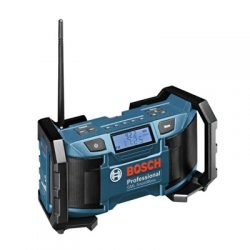
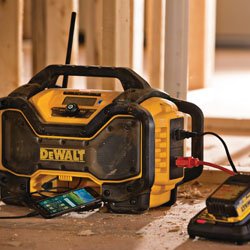
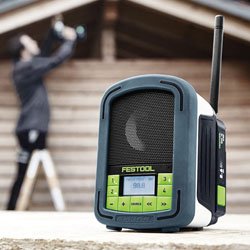
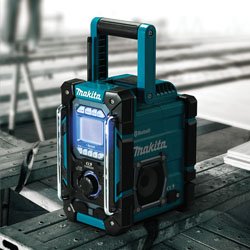
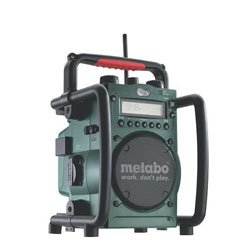
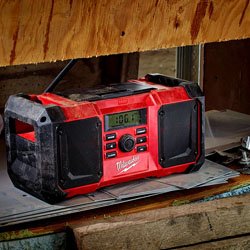


Choosing an advanced cordless radio is not simply a matter of selecting the model with the most features. A jobsite radio may need to operate around dust, vibration, changing weather, loud machinery, frequent battery changes and long working days. The right choice therefore depends on how the radio fits into an existing tool ecosystem, how it handles different power sources, how easily it can be transported and whether its audio and connectivity features suit the intended environment.
For Australian buyers, the most useful comparison is between the complete ownership proposition rather than a single specification. Battery platform compatibility, mains operation, Bluetooth performance, radio reception, speaker configuration, charging functionality, construction quality, controls, portability and compatibility with existing batteries can all influence the practical value of a cordless radio.
This guide is designed to help shoppers compare advanced cordless radio solutions available to the Australian market and identify the characteristics that matter before purchasing. Product specifications, included accessories, battery compatibility and retailer pricing can change, so check the current manufacturer information and retailer listing before making a final decision.
A basic portable radio may concentrate on AM/FM reception and simple battery operation. An advanced cordless radio generally takes a broader approach, combining portable power with features intended for modern worksites, workshops, garages, outdoor projects or recreational use.
Depending on the model, advanced functionality can include Bluetooth audio streaming, digital radio reception, USB charging, multiple power options, integrated battery compartments, improved speaker systems, protective construction and controls designed to remain usable while wearing work gloves.
The important distinction is that additional features are only useful when they solve a real requirement. A tradesperson who already owns several batteries from one manufacturer may benefit more from platform compatibility than from a feature-rich radio that requires a separate battery system. Likewise, someone working primarily in an enclosed workshop may place greater value on audio quality and mains operation than on extreme portability.
Battery compatibility is one of the first specifications worth checking. Cordless radios are commonly designed around particular battery platforms, meaning the battery connector and electrical system may only accept batteries from the relevant tool range.
For buyers already using cordless power tools, staying within an existing battery ecosystem can simplify ownership. Brands such as Milwaukee, DeWalt, Bosch, Makita and Ryobi have broad cordless tool ranges, although compatibility should always be confirmed for the exact radio and battery generation rather than assumed from the brand name alone.
Some cordless radios can operate from a mains power source as well as a removable tool battery. This hybrid design can be particularly useful when a radio spends part of its time in a workshop, garage or covered work area but needs to become portable for other jobs.
A radio that operates exclusively from a removable battery can offer excellent portability, while a mains-compatible model can reduce battery consumption when a power outlet is conveniently available. The best arrangement depends on where the radio will normally be used.
Bluetooth has become an important feature for buyers who want to stream audio from a smartphone or other compatible device. Instead of relying solely on broadcast radio, Bluetooth allows the radio to function as a portable speaker for music, podcasts or other audio content.
When comparing Bluetooth functionality, look beyond the presence of the word “Bluetooth” in a specification list. Consider pairing convenience, control options, expected operating range, whether the radio remembers previously paired devices and whether audio controls can be operated directly from the radio.
Radio reception remains relevant on jobsites because it provides a simple source of live audio without requiring a smartphone connection. Depending on the model and market, a cordless radio may support different broadcast formats.
Australian buyers should check which broadcast standards are actually supported by the specific model. Do not assume that a radio sold internationally provides identical reception capabilities in Australia. Regional product variants can have different tuners, presets, frequency ranges and digital-radio support.
Audio performance is more complicated than a wattage figure. Speaker size, enclosure design, driver configuration, passive radiators, amplifier design and equalisation can all influence the listening experience.
For a noisy construction environment, clarity at moderate and high volume can matter more than deep bass. For a workshop or home garage, buyers may prefer a fuller sound profile and greater detail at lower listening levels.
Battery runtime can vary substantially depending on battery capacity, listening volume, connectivity features and whether the radio is also charging another device. Manufacturer runtime figures should therefore be treated as specification information rather than a universal guarantee for every use case.
When comparing models, look at the battery capacity you already own and consider how frequently you expect to use the radio. A radio that consumes a large-capacity battery may be perfectly practical for a user with several spare packs but less convenient for someone who owns only one battery.
USB charging can add useful functionality by allowing a compatible radio to act as a power source for a phone or other small electronic device. However, charging capability varies between models.
Check the type of USB connection, charging output and whether the function is available in every operating mode. If emergency phone charging is important, treat it as a supporting feature rather than assuming that every USB-equipped radio provides identical charging performance.
A radio intended for construction work needs to cope with a different environment from one designed primarily for indoor leisure use. Protective bumpers, reinforced housings, covered controls and protected connection points can be valuable where equipment is exposed to accidental knocks and movement.
However, terms such as “rugged”, “jobsite” and “tough” should not be interpreted as unlimited protection. Always check the manufacturer's stated limitations, environmental ratings and care instructions.
Outdoor and construction users should pay particular attention to any published ingress-protection information. A formal IP rating, when provided, communicates specific resistance characteristics under defined testing conditions.
An absence of an IP rating does not necessarily mean a product is fragile, but it does mean buyers should avoid assuming a particular level of water or dust protection. A cordless radio should not be treated as waterproof simply because it has a protective-looking exterior.
A clear display can make station selection, Bluetooth pairing and other functions easier to manage. Controls also matter when the radio is being used in a workshop or on a construction site.
The antenna is easy to overlook during a product comparison, but it can affect practicality when listening to broadcast radio. A flexible or protected antenna may be more suitable for mobile work environments than a delicate protruding component.
Reception also depends on location, building materials, terrain, interference and the strength of available broadcasts. A high-quality radio cannot guarantee perfect reception in every Australian location.
Compact models prioritise portability. They are suitable for users who move between work areas frequently and want a radio that takes up little storage space.
The trade-off can be speaker size, control layout and battery capacity. If portability is the main priority, a compact model may be preferable to a larger premium unit.
Jobsite-oriented radios generally emphasise durability, protective construction and integration with professional cordless tool batteries. They can be attractive to tradespeople who already use a compatible battery platform.
The larger housing can also provide room for more substantial speaker hardware, although size and weight may make these models less convenient for casual portable use.
Some advanced cordless units are positioned as audio-focused devices with strong Bluetooth functionality and substantial speaker systems. These can be appealing to buyers who want a cordless radio to serve as both a broadcast receiver and a general-purpose portable speaker.
Hybrid radios can be useful when a device moves between mains-powered and cordless environments. They may suit workshops, garages, sheds and semi-permanent work areas where battery operation is useful occasionally but not always necessary.
For a construction environment, prioritise durability, battery compatibility, readable controls and resistance to the normal hazards of a busy work area. A radio should be easy to reposition without becoming a distraction.
A workshop user may value mains operation, sound quality, Bluetooth streaming and easy access to controls. If the radio will normally remain in one location, extreme portability may be less important than a convenient power arrangement and good audio.
DIY users often benefit from a balanced feature set rather than the most expensive or rugged design. Battery compatibility can be especially useful if the household already owns cordless tools from the same platform.
Outdoor users should pay particular attention to portability, battery runtime and environmental protection. Check the manufacturer's guidance regarding exposure to rain, dust, heat and direct sunlight rather than relying on general marketing descriptions.
Recreational users may prioritise low weight, battery efficiency, Bluetooth functionality and simple controls. A large professional jobsite radio can offer more capability than necessary if the primary objective is occasional outdoor listening.
One of the most common buying mistakes is assuming that cordless accessories are universally compatible because they use a similar voltage or because the battery looks physically similar. Battery systems are proprietary in many tool ranges, and electrical, mechanical and communication requirements can differ.
Brands including Milwaukee, DeWalt, Makita, Bosch, Ryobi, Metabo HPT and other manufacturers operate their own cordless ecosystems. Even within one manufacturer's product family, buyers should verify the exact battery series supported by a particular radio.
Voltage alone is not sufficient for determining compatibility. Before purchasing, compare the exact battery platform name, model requirements and manufacturer's compatibility information.
Battery capacity is commonly expressed in amp-hours, but capacity should not be interpreted as an exact prediction of radio operating time. Audio volume, amplifier demand, battery age, temperature and connected accessories can influence energy consumption.
A higher-capacity battery generally provides more stored energy within a compatible system, but it can also add weight and cost. For a radio that is carried frequently, the largest compatible battery is not automatically the best choice.
Audio power figures can be presented in different ways, so comparing numbers from different manufacturers can be misleading. RMS, peak and other rating methods are not necessarily equivalent.
Rather than selecting a radio solely because it advertises a larger number, consider the complete speaker design and how the radio is intended to be used.
Mono audio can be highly practical on a worksite because listeners may be positioned around the radio rather than sitting directly in front of it. Stereo systems can provide a broader listening experience when the radio is positioned appropriately.
The best configuration depends on the environment rather than being an absolute quality ranking.
Equalisation controls can help users adjust the sound for different environments and listening preferences. Bass-heavy audio may sound enjoyable in a quiet garage but can become less useful when competing with machinery or outdoor noise.
Bluetooth and broadcast radio serve different purposes. Bluetooth provides direct access to audio stored or streamed through a compatible device, while AM, FM or supported digital broadcasts can provide live programming without requiring a separate phone connection.
A versatile cordless radio can therefore benefit from supporting both. Buyers who mostly listen to personal playlists should give connectivity greater weight, while users who rely on local broadcasts may want to investigate tuner performance and supported radio formats first.
A radio's portability is determined by more than its listed weight. Handle placement, shape, balance, battery position and protective features can all affect how easy it is to carry.
A compact radio may be easier to move between floors or work areas, while a larger unit may be easier to position securely on a bench or floor. Think about the actual movement involved in your work rather than choosing based on dimensions alone.
A substantial, well-positioned handle can make a surprisingly large difference when a radio is moved repeatedly. Look for a handle that provides a secure grip and does not interfere with battery installation or control access.
Some jobsite-oriented designs incorporate spaces or structures intended to protect a connected smartphone or other small accessories. Where such features exist, examine whether they are genuinely useful for the equipment you carry.
This is one of the easiest mistakes to prevent. Before adding a cordless radio to your tool collection, identify the battery system it requires and compare it with the batteries you already own.
A larger radio may offer more substantial speakers and additional features, but size can become inconvenient when storage and transportation matter.
Audio output numbers do not tell the entire story. Speaker design, enclosure construction and tuning influence the actual listening experience.
Rugged construction and water resistance are not interchangeable descriptions. Look for specific manufacturer information and any formal environmental rating.
A radio may appear inexpensive until the total system cost is considered. If a battery and charger are not included, calculate the complete purchase requirement before comparing models.
Digital displays, multiple connectivity options, charging functions and advanced controls can be useful, but unnecessary features add complexity and can increase the purchase price. Choose according to actual use rather than a specification checklist alone.
When comparing a shortlist of ten products, it helps to evaluate every model using the same criteria. A consistent framework prevents one impressive feature from overshadowing more important practical considerations.
Product pages can contain a mixture of electrical specifications, marketing terminology and accessory information. Buyers should separate measurable specifications from subjective descriptions.
For example, dimensions and weight are relatively straightforward comparison points. A statement that a radio delivers “powerful sound” is more subjective and should not be treated as equivalent to a standardized technical measurement.
Likewise, a reference to battery compatibility should be checked against the exact model number and battery family. Product listings can sometimes group multiple variants together, making it important to verify the precise configuration being considered.
Brand selection can be useful when cordless tools are already part of the same ecosystem. Milwaukee, DeWalt, Makita, Bosch and Ryobi are examples of established power-tool brands with broad cordless product families. Other professional and specialist manufacturers also offer cordless audio products.
The strongest reason to choose a particular brand is often ecosystem compatibility rather than brand recognition alone. If your existing tools use a particular battery platform, investigate whether a compatible radio is available before creating a second battery system.
Always verify current compatibility information for the exact product. Product families evolve, and not every battery generation is necessarily interchangeable across every device carrying the same brand name.
Professional worksite radios are typically designed around the demands of frequent use and integration with cordless tool systems. Consumer-oriented portable speakers and radios may instead prioritise compact design, simplicity and general entertainment features.
Neither category is automatically better. The right choice depends on how the device will be used, how often it will be moved and whether existing tool batteries are part of the purchasing decision.
Proper care can help maintain reliable operation over time. Always follow the manufacturer's cleaning, battery-storage and environmental instructions for the specific radio.
Dust and debris can accumulate around vents, speaker grilles and connection points. Inspect these areas periodically, particularly after use in dusty workshops or construction environments.
Keep battery contacts clean and protected from unnecessary moisture, dirt and metal debris. Do not force a battery into place if the connection does not align correctly.
Follow the battery manufacturer's storage recommendations rather than leaving packs exposed to excessive heat, moisture or direct sunlight for extended periods.
Only use power accessories and charging equipment specified or approved for the particular product. Avoid improvised adapters or incompatible power supplies.
Use the cleaning method recommended by the manufacturer. Avoid aggressive chemicals, excessive water and high-pressure cleaning unless the product documentation specifically permits them.
Cordless radios commonly share battery technology with power tools, so normal lithium-ion battery precautions remain relevant. Inspect batteries for visible damage and follow the manufacturer's charging and storage instructions.
A damaged, swollen, leaking or otherwise abnormal battery should not be used. Batteries should also be kept away from situations that could cause short circuits or physical damage.
For Australian buyers, follow applicable manufacturer guidance and local disposal requirements when a battery reaches the end of its service life.
Australian buyers should check the exact local version of a cordless radio rather than relying on specifications from an overseas listing. Regional versions can differ in radio functions, included accessories, power arrangements and battery compatibility.
It is also worth checking whether the product listing identifies an Australian-market model and whether the supplied electrical accessories are appropriate for Australian use. When comparing prices, compare like-for-like configurations because one listing may include a battery and charger while another may contain the radio only.
Comparing cordless radios by sticker price alone can produce misleading conclusions. The total cost can include the radio, battery, charger and any accessories required for the intended setup.
If you already have compatible batteries and a charger, a battery-only radio package may be more attractive than a complete kit. Conversely, someone entering a new cordless platform may need to consider the cost of establishing that battery ecosystem.
When checking today's prices, compare the exact model number and package contents. Retailer listings can differ in bundle configuration even when the product name appears almost identical.
Customer feedback can provide useful information about everyday ownership, but reviews should be interpreted carefully. Look for recurring observations rather than relying on a single highly positive or negative comment.
Useful review themes include battery compatibility, ease of Bluetooth pairing, control layout, portability, perceived sound quality, durability and whether the product matches the buyer's intended environment.
Pay attention to reviews that identify the exact model and usage conditions. A complaint from someone expecting a compact recreational speaker may not apply to a tradesperson specifically looking for a heavy-duty worksite radio.
A radio capable of switching easily between broadcast radio and Bluetooth can eliminate the need to keep separate audio equipment nearby. This is particularly useful for users whose listening habits change throughout the working day.
USB charging can be valuable when a phone needs additional power away from a wall outlet. Consider the charging specifications rather than treating every USB port as identical.
Preset functionality can make repeated use more convenient, particularly when the radio is shared among several users or moved frequently.
Recessed or strategically positioned controls can reduce accidental activation and help protect buttons in busy work environments.
More features do not always equal better value. Buyers should question whether each feature will actually be used.
The most efficient setup usually begins with the equipment you already own. If your workshop contains several cordless tools from one platform, investigate compatible radio options first. This can simplify battery management and reduce the number of chargers required.
Next, determine where the radio will normally be used. A radio that stays on a workbench can be selected differently from one that moves around a large construction project throughout the day.
Finally, identify the features that directly affect your routine. If Bluetooth is used daily, make it a major selection criterion. If broadcast reception is essential, investigate tuner capabilities. If the radio will be exposed to harsh conditions, prioritise construction and published protection information.
Brand familiarity can narrow a search, but use case should ultimately drive the comparison. A Milwaukee-compatible radio may make obvious sense to one user because of an existing battery collection, while a DeWalt, Makita, Bosch or Ryobi option could be more practical for another buyer whose tools already belong to that ecosystem.
For buyers without an existing battery platform, compare the complete ecosystem rather than choosing a radio in isolation. Consider whether the manufacturer offers the other cordless tools, batteries and accessories you may realistically want in the future.
There is no single best option for every Australian buyer. The right model depends on battery platform, intended environment, audio requirements, portability, connectivity and budget. Start by identifying which features are essential and then compare models that meet those requirements.
No. Cordless radios are generally designed for specific battery systems. Similar voltage ratings or physical appearances do not guarantee compatibility. Always check the manufacturer's exact compatibility information.
Some models can operate from mains power, while others are designed solely for battery operation. Check the exact model specifications before assuming AC operation is available.
Not necessarily. A rugged or jobsite-oriented design does not automatically mean waterproof construction. Look for a published environmental or ingress-protection rating and follow the manufacturer's operating limitations.
Bluetooth is particularly useful if you regularly want to stream music, podcasts or other audio from a phone. If you mainly listen to broadcast radio, tuner capability may be more important.
No. Larger enclosures can provide room for different speaker configurations, but overall sound depends on the complete audio design. Compare the intended use and available specifications rather than judging quality solely by physical size.
If the radio uses the same battery ecosystem, choosing the same brand can be convenient. However, verify the exact battery family and model compatibility before buying.
It depends on your existing equipment. If you already own compatible batteries and a charger, a tool-only package may be sufficient. If you are new to the battery platform, a complete kit may be more convenient. Compare the total cost of the setup rather than the radio alone.
Battery capacity affects the amount of stored energy available to a compatible device, but actual runtime depends on several factors including volume and usage. Choose a battery capacity appropriate to the length and portability requirements of your normal listening sessions.
Many cordless radios are designed with portability in mind, but outdoor suitability varies. Check the manufacturer's guidance for water, dust, temperature and other environmental conditions before using a specific model outdoors.
Confirm the exact model number, battery compatibility, package contents, power configuration, radio functions and applicable product documentation. Compare the same configuration across retailers so that price differences are meaningful.
Before choosing from a shortlist of advanced cordless radio solutions, work through the following checklist:
The strongest cordless radio choice is the one that fits the way you actually work or relax. For professional users, battery-platform compatibility and durable construction can be more important than entertainment features. For workshop users, mains operation and audio quality may take priority. For outdoor and recreational users, portability, battery efficiency and Bluetooth connectivity can carry more weight.
Rather than choosing solely from a “top 10” ranking, use the comparison criteria in this guide to evaluate each shortlisted product on its own merits. Check the exact specifications, confirm the Australian configuration, review what is included in the box and calculate the complete ownership cost before making a decision.
For August 2026 buying research, specifications, customer feedback, retailer pricing, stock status and product configurations should be checked again at the time of purchase because these details can change. A careful comparison of battery compatibility, audio performance, durability, connectivity, portability and total cost will make it easier to identify the cordless radio that genuinely matches your requirements.