

♥ Wishlist
Compare 10 Cordless Sanders for Woodworking, DIY & Surface Finishing products in Australia. Reviews, ratings, pros, cons and buying advice updated for October 2026.
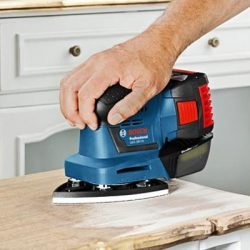
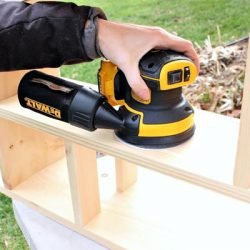
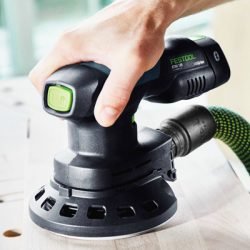
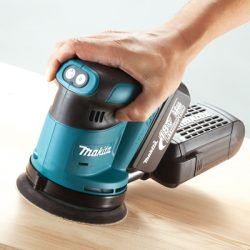
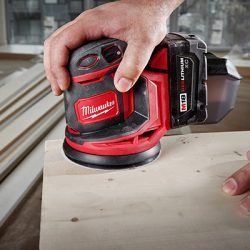


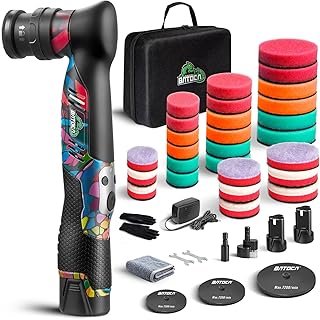

Choosing an advanced cordless sander is less about finding the tool with the highest advertised speed and more about matching the sanding system to the material, surface area, finish requirement, battery platform and working environment. For Australian home workshops, renovation projects, furniture work and professional applications, a well-balanced cordless sander can provide considerably more freedom of movement than a corded model, particularly when working outdoors, on a jobsite or away from convenient power outlets.
This buying guide focuses on the factors that should be examined when comparing advanced cordless sanders in Australia in 2026. Rather than judging a tool from a single specification, consider the complete system: sanding motion, orbit size, speed control, dust extraction, battery capacity, ergonomics, pad design, vibration management, accessory compatibility and the manufacturer's broader cordless platform.
Brands such as Makita, DeWalt, Milwaukee, Bosch and Ryobi offer cordless power-tool ecosystems that can make battery compatibility an important part of the buying decision. If you already own compatible batteries and chargers, staying within the same platform may significantly affect the overall value of a new sander.
The best cordless sander for one Australian buyer may be unsuitable for another. A tradesperson preparing large timber surfaces needs different characteristics from a hobbyist restoring furniture or a homeowner smoothing painted surfaces before refinishing. Start by identifying the work rather than the brand.
Random orbital sanders are among the most versatile options for general-purpose woodworking because their sanding action combines rotation with an orbital movement. This helps produce an even finish while reducing the likelihood of obvious repetitive scratch patterns when the tool is used correctly.
A sheet sander uses a rectangular sanding sheet and can be useful for flatter surfaces, finishing work and applications where a conventional sheet format is convenient. A detail or finishing sander is designed around smaller pads and is better suited to corners, edges and confined areas.
When comparing the best advanced cordless sander solutions, do not automatically assume that a more powerful random orbital model is the right answer. The ideal tool depends on the proportion of rough stock removal, general surface preparation and final finishing in your projects.
For cordless tools, the sander itself is only one component of the ownership equation. Batteries and chargers can represent a meaningful part of the investment, so existing platform compatibility deserves attention before comparing individual models.
If you already use a Makita, DeWalt, Milwaukee, Bosch or Ryobi cordless system, check whether the sander is designed for that exact battery family. Battery compatibility should never be assumed simply because two tools have similar voltage labels or belong to the same manufacturer.
For buyers starting from scratch, compare the broader ecosystem rather than selecting a sander in isolation. Look at the availability of compatible drills, impact drivers, saws, grinders, lights and other tools you may eventually need. A slightly less attractive sander specification can sometimes make more sense if it places you within a battery platform that suits your entire workshop.
Battery capacity is commonly expressed in amp-hours, but capacity alone does not determine how long a cordless sander will operate. Sanding pressure, abrasive condition, material hardness, speed setting, dust extraction arrangements and the specific motor design all influence energy consumption.
A larger battery may extend working time, but it can also increase the overall weight of the tool. This trade-off becomes particularly noticeable when sanding vertical surfaces or working overhead.
For occasional DIY work, one compatible battery may be sufficient if charging interruptions are acceptable. For professional or high-volume use, owning multiple batteries can be more practical because one battery can be charging while another is in use.
Brushless motor technology is common in higher-end cordless power tools and can be an important specification when comparing advanced models. Brushless systems are electronically controlled rather than relying on conventional motor brushes, allowing manufacturers to design efficient cordless power-tool systems with electronic control features.
However, the presence of a brushless motor should not be treated as proof that a particular sander is automatically superior. Motor technology is only one part of the design. Overall performance also depends on the drive system, electronics, sanding mechanism, pad, battery and thermal management.
When comparing brushless cordless sanders, consider the complete specification and intended application instead of using the motor type as the only quality indicator.
Orbit size is an important technical characteristic of random orbital sanders. The orbital movement affects how the tool behaves during sanding and can influence the balance between material removal and finishing performance.
A larger orbit can be advantageous when faster stock removal is a priority, while a smaller orbit may be preferable when greater control over finishing work is more important. The abrasive grade remains equally important; changing from a coarse abrasive to a fine abrasive can dramatically change the practical result even when the sander itself remains unchanged.
Do not compare orbit size without considering the manufacturer's intended use and the sanding discs available for the tool. A specification only becomes meaningful when connected to the type of work you actually perform.
Variable-speed control can make a cordless sander more versatile because different materials and finishing stages can benefit from different operating speeds. Lower settings may help when greater control is desirable, while higher settings can be useful for efficient material removal when appropriate.
Electronic speed management can also help maintain more consistent operation under changing loads. When evaluating an advanced cordless sander, look for clearly documented control settings and understand whether the manufacturer's speed figures refer to no-load operation or another measurement condition.
Dust management should be considered a core feature rather than a secondary convenience. Sanding can generate substantial fine particulate material, and effective extraction can help keep the work area cleaner while reducing the amount of dust escaping into the surrounding environment.
Many cordless sanders use an integrated dust collection system, while others can be connected to a workshop vacuum or dust extractor. When comparing models, investigate the dust-port design, supplied collection equipment and compatibility with the extraction setup you already use.
A sander with excellent sanding performance but inconvenient dust management may become frustrating during long sessions. Check how the collection system is emptied, whether the filter requires regular cleaning and whether connecting an external extractor is practical for your workspace.
A cordless sander can have excellent specifications on paper and still be uncomfortable if its weight distribution does not suit the user. Sanding frequently involves repetitive movement, so grip shape, trigger or switch placement, palm support and vibration behaviour deserve close attention.
Battery placement can influence balance substantially. A compact battery may keep the tool lighter, while a larger battery can provide additional runtime at the expense of weight. The best combination depends on whether you prioritise portability, endurance or stability.
Pay particular attention to ergonomics if your projects involve large panels, benchtops, doors or multiple pieces of furniture. Extended sanding makes poor balance much more noticeable than a short test in a retailer.
Vibration is an important consideration for anyone who uses a sander regularly. The sanding mechanism inherently creates movement, but manufacturers can use different approaches to manage vibration transmitted through the housing and grip.
When comparing advanced cordless sanders, look for documented information about vibration rather than relying solely on marketing language. If a manufacturer publishes vibration measurements, review the stated test conditions because figures can depend on the application and measurement method.
Comfort should also be considered alongside grip texture, housing shape, tool balance and operating controls. A design that feels natural in the hand can be more valuable during extended work than a minor difference in an advertised no-load specification.
The sanding pad is the direct interface between the machine and abrasive disc, making pad compatibility an essential part of the purchasing decision. Before ordering replacement abrasives, confirm the required diameter, hole pattern and attachment method.
Hook-and-loop abrasive discs are convenient because they can generally be changed quickly. However, the exact disc configuration still matters, particularly when dust extraction relies on holes in the abrasive lining up with corresponding openings in the sanding pad.
Keep replacement abrasives from reputable manufacturers and select the abrasive type according to the material and desired result. The most advanced cordless sander cannot compensate for an inappropriate or worn abrasive.
Different materials place different demands on a cordless sander. Timber is the most common application for many buyers, but painted surfaces, plywood, MDF, composites and previously coated materials can behave differently during sanding.
Hardwood can require effective material removal while still demanding control to avoid uneven areas. A capable random orbital sander paired with the correct abrasive can be a strong general-purpose combination. Battery runtime becomes more relevant when large hardwood components require extensive sanding.
Softwood can be comparatively easy to abrade, but excessive pressure or an unsuitable abrasive can create unwanted surface variation. A controllable sander is useful because the objective is not simply to remove material as quickly as possible.
Plywood requires attention to veneer thickness and surface condition. Aggressive sanding can remove more material than intended, particularly around edges. Controlled speed, light pressure and appropriate abrasive selection are important.
MDF produces fine dust and therefore makes effective extraction particularly important. Buyers working regularly with MDF should place dust management high on their comparison list and follow appropriate workshop safety practices.
When sanding old coatings, the project may involve more than simply selecting the most powerful tool. Determine what the existing coating is, whether it needs to be removed completely and what dust or contamination controls are appropriate. Avoid assuming that a high-speed setting is always the best option.
The main advantage of cordless sanding is freedom from a mains power cable. This can be valuable when working outdoors, moving around a large project or operating in spaces where access to power is inconvenient.
Corded sanders can still make sense for workshop users who spend long periods sanding near a reliable power source. A corded tool does not require battery changes, and its operating setup can be straightforward for fixed workshop tasks.
For Australian buyers, the choice should therefore be based on working conditions rather than assuming cordless technology is always the better option. If mobility is important and you already own a compatible battery platform, cordless may be especially attractive. If the tool will remain beside a workshop bench for hours at a time, a corded alternative may deserve comparison.
When evaluating a shortlist of ten advanced cordless sanding solutions, use the same criteria for every candidate. This prevents attractive branding or one impressive specification from dominating the decision.
Furniture work generally rewards control, manageable weight and good dust extraction. Variable speed can be particularly useful when moving between preparation and finishing stages. A compact, well-balanced random orbital sander is often more versatile than selecting a tool solely for maximum material removal.
Large surfaces place greater emphasis on sanding efficiency, battery capacity and ergonomic comfort. If you regularly sand benchtops, doors, cabinets or large panels, consider whether your battery inventory can support longer sessions without excessive interruption.
Home users may benefit from a versatile model that accepts widely available abrasives and fits into an existing battery platform. Buying a highly specialised sander can be unnecessary if the majority of projects involve general timber preparation and occasional finishing.
Professional buyers should consider the complete ownership system, including battery availability, charger capacity, durability, dust extraction, replacement accessories and ergonomic design. A tool that is used frequently should be assessed over its entire working routine rather than judged only by its purchase specification.
Outdoor sanding places extra emphasis on cordless mobility. Battery runtime, portability and resistance to practical jobsite conditions may be more important than having the largest possible dust-collection setup. Even so, dust management and appropriate protective equipment remain important.
Maximum speed is not automatically equivalent to superior sanding. Different materials and finishing stages can require different levels of control. A variable-speed model may be more useful than a tool selected solely because it has a higher headline figure.
Buying a bare cordless tool without considering battery and charger requirements can lead to unexpected additional costs. Before comparing prices, determine what is included and what you already own.
Dust collection can make a substantial difference to workshop cleanliness and convenience. Buyers sometimes concentrate on motor specifications while overlooking how the sanding dust will actually be captured.
A premium sander paired with unsuitable or worn abrasive discs will not deliver its potential. Abrasive grade, disc quality and replacement availability should be part of the buying decision.
Additional battery capacity and a larger housing can increase weight. If most projects involve detailed furniture finishing, manoeuvrability may be more important than maximum runtime.
Cordless tools are commonly sold in different configurations. Always check whether the specific version under consideration includes a battery and charger or is supplied as a bare tool.
Performance figures can be measured under different conditions. Treat isolated numerical comparisons cautiously and read the manufacturer's complete specification before deciding which tool is actually more suitable.
Technical specifications are useful when you understand what each figure means. They become less useful when several models are compared without considering measurement conditions or intended applications.
Regular maintenance helps keep a cordless sander functioning properly and can reduce avoidable wear. Always follow the manufacturer's instructions for servicing, cleaning and battery handling.
Tool quality is only one part of producing a professional-looking surface. Technique, abrasive selection and preparation have a major influence on the finished result.
Sanding creates airborne particles and can produce noise and vibration. Follow the tool manufacturer's safety instructions and use protective equipment appropriate to the material and environment.
Battery care is an important part of maintaining any cordless-tool ecosystem. Use the charger and batteries specified by the manufacturer and follow the storage recommendations supplied with the particular battery system.
Avoid treating all rechargeable batteries as interchangeable. Even when two battery packs appear similar, compatibility can depend on the manufacturer's platform, electronics and physical interface.
For buyers building a workshop around cordless tools, maintaining several compatible batteries can be more useful than purchasing the largest available capacity for every tool. Smaller packs may be preferable for lightweight sanding, while larger packs can make sense when extended runtime is the priority.
Brand selection is most useful when it is connected to the broader cordless ecosystem rather than treated as a simple ranking exercise. Makita, DeWalt, Milwaukee, Bosch and Ryobi each have extensive cordless-tool ranges, but the relevant question for an individual buyer is which platform best fits their existing tools, battery requirements, preferred ergonomics and intended applications.
These brands should be compared by specific model and configuration. Product ranges change, and battery compatibility can differ between tool families, so verify the current manufacturer's specifications before purchasing.
The advertised price of a cordless sander does not necessarily represent the complete cost of ownership. A bare tool may look inexpensive compared with a kit, but the kit could include a battery, charger and accessories that would otherwise need to be purchased separately.
When comparing Australian retailer listings, calculate the practical package required for your use. Consider the sander, required battery, suitable charger, sanding discs, dust-collection accessories and any necessary adapters.
Customer reviews can provide useful information about day-to-day usability, but they should not be treated as a substitute for technical specifications or safety instructions. A reviewer may use a sander for a completely different application from yours.
Look for recurring themes rather than isolated comments. Consistent feedback about battery compatibility, dust collection, ergonomics, pad durability or switch operation can be more informative than a single enthusiastic or negative review.
Not every advanced feature provides meaningful value for every buyer. The right question is whether a feature solves a problem you actually encounter.
Advanced does not always mean necessary. If your sanding requirements are limited to occasional DIY projects, furniture touch-ups or preparing small timber pieces, paying for every available feature may not provide a meaningful advantage.
A simpler cordless sander can be a sensible choice when it provides the necessary sanding action, compatible abrasives, acceptable ergonomics and sufficient battery support. The goal is to buy the right capability, not the most complicated specification.
A higher-specification cordless sander becomes easier to justify when it will be used frequently or across a broad range of applications. Professionals and serious workshop users can benefit from features that improve control, extraction, comfort and compatibility with an established battery system.
Australian buyers should evaluate cordless sanders using the exact local configuration rather than assuming that specifications from overseas listings apply to the product available locally. Model names, kits, accessories, battery packages and retailer offerings can differ between markets.
Check the current Australian product specification, included equipment and applicable electrical and safety information before buying. For battery tools, pay particular attention to the charger supplied with the Australian configuration and use only equipment intended for the relevant battery platform.
It is also sensible to compare the availability of replacement batteries, chargers, sanding discs and other consumables. A tool that is easy to maintain over several years can be more practical than a superficially cheaper option with inconvenient accessory availability.
Use the following checklist when narrowing a large shortlist down to the most suitable advanced cordless sander solutions.
The strongest cordless sander choice is the one that fits your complete workflow. For many Australian buyers, that means balancing sanding performance with battery compatibility, dust management, ergonomics and abrasive availability rather than focusing on one headline specification.
Before purchasing, compare the exact model numbers, battery configurations, included accessories and current specifications. If you already own cordless tools, platform compatibility should be one of the first filters you apply. If you are building a new ecosystem, consider the wider range of compatible tools and the long-term practicality of the battery system.
For frequent sanding, prioritise comfort, vibration management, dust extraction and reliable control. For occasional DIY work, concentrate on versatility, ease of use and total package value. For professional applications, evaluate the entire ownership system, including batteries, chargers, consumables and maintenance requirements.
Finally, remember that sanding quality depends on more than the machine. The correct abrasive, suitable speed, controlled technique, effective dust extraction and appropriate preparation all contribute to the final surface. A carefully selected cordless sander becomes much more useful when it is paired with the right sanding process.
There is no single best model for every Australian buyer. The right choice depends on sanding type, material, workload, battery platform, dust-extraction requirements, ergonomics and budget. Compare the complete specifications and kit contents of the models that match your intended applications.
Modern cordless sanders can be suitable for a wide range of woodworking tasks, but suitability depends on the specific model, battery system, abrasive and workload. For demanding applications, compare sustained usability, battery requirements, extraction and ergonomics rather than relying solely on a headline power figure.
A brushless motor can be an attractive feature in an advanced cordless tool, but it does not by itself guarantee that one sander will outperform every alternative. Consider motor technology alongside speed control, sanding mechanism, dust extraction, battery compatibility and overall design.
The appropriate battery depends on the balance you want between runtime and weight. Larger-capacity batteries can provide more stored energy but may increase tool weight. For detailed or overhead work, a lighter setup may be preferable; for prolonged sanding, additional capacity may be useful.
No. The disc diameter, attachment method and hole configuration should match the requirements of the specific sanding pad and dust-extraction system. Check the manufacturer's specifications before buying replacement abrasives.
Effective dust extraction is highly beneficial for sanding work. The appropriate extraction method depends on the material, workspace and tool design. Follow relevant safety guidance and use suitable protective equipment in addition to relying on the sander's collection system.
Variable speed is particularly useful if you work with different materials or regularly move between aggressive sanding and fine finishing. If your projects are highly consistent, a simpler fixed-speed design may still meet your needs.
Weight can become increasingly important during extended sanding. A heavy tool may feel manageable for a short task but become tiring when working on large surfaces or vertical panels. Consider the weight with the battery installed, not just the bare-tool specification.
Makita, DeWalt, Milwaukee, Bosch and Ryobi are among the established power-tool brands worth considering when comparing cordless ecosystems. The best choice depends on the specific model, battery platform, included configuration and your intended use.
If you already own compatible batteries and a suitable charger, a bare tool can avoid unnecessary duplication. If you are entering a battery platform for the first time, a kit containing the appropriate battery and charger may be more practical. Always compare the total cost of the complete setup.
There is no universal replacement interval. Replace an abrasive when it becomes worn, clogged, damaged or ineffective for the task. Continuing to use a worn abrasive can reduce sanding efficiency and may encourage excessive pressure or heat.
No single sander is ideal for every application. A random orbital model is highly versatile, while detail and sheet sanders can provide advantages for particular shapes and finishing tasks. Choose the primary tool around your most frequent jobs and add specialised equipment only when necessary.
When comparing advanced cordless sander solutions in Australia, focus on the relationship between the tool, battery, abrasive and work environment. The most useful buying decision is rarely based on one specification. Instead, assess sanding mechanism, orbit characteristics, speed control, dust extraction, ergonomics, vibration, battery compatibility, included equipment and long-term accessory availability together.
Use this guide as a framework for comparing current models and configurations, then verify the exact specifications and retailer information for the product you are considering. Product ranges, packages and pricing can change during 2026, so current Australian listings should always be checked before making a purchase.