

Best Corded Drilling Presses for Precise Workshop Drilling Products online Australia
Explore our real-time updated product directory index curated for performance, verified star metrics, and historical consumer trust rankings.


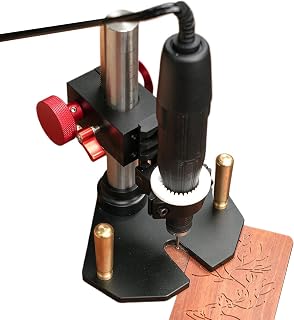
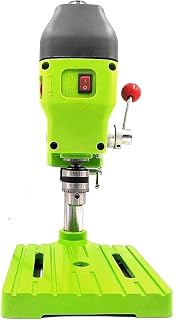


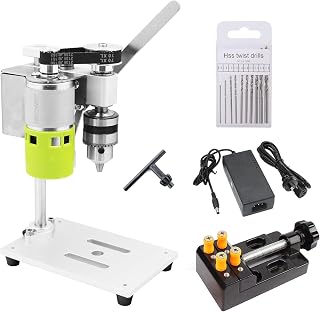

A corded drilling press is designed to hold and guide a drill bit while the workpiece remains securely positioned. This fixed arrangement can help produce straighter holes and more consistent results across repeated tasks. Unlike a handheld drill, a drilling press gives you controlled spindle movement, a supporting table and a more stable drilling platform.
For Australian shoppers, the first consideration is often the available workshop space. Compact benchtop models can suit smaller work areas, while larger floor-standing machines provide more room for substantial workpieces. The right choice depends on the materials you work with, the hole sizes you need and how frequently you expect to use the machine.
Benchtop drilling presses offer a practical option when floor space is limited. They can suit woodworking, light metalworking, repairs and DIY projects. Their compact footprint makes them easier to position on a sturdy workbench while still providing controlled drilling and adjustable settings.
Floor-standing models provide a larger working area and can accommodate bigger workpieces. They are useful when you need greater drilling capacity, additional spindle travel or a more substantial machine for regular workshop use. Check the machine dimensions before purchase to ensure your workspace can accommodate it safely.
Pillar and column designs use a fixed vertical support to maintain stability during drilling. They are commonly suited to jobs where consistent positioning matters, including furniture making, cabinetry and general workshop fabrication.
Radial designs provide additional positioning flexibility through an adjustable arm. This can be helpful when drilling larger or unusually shaped workpieces that are difficult to position under a conventional fixed column.
Motor power is an important specification, but it should not be considered in isolation. Match the machine's capacity with the materials and drill sizes you intend to use. Variable speed can also be valuable because different materials and bit types may require different operating speeds.
Pay close attention to chuck capacity, spindle travel and maximum drilling depth. These specifications help determine which drill bits the machine can accept and how deeply it can drill. A dependable depth stop is particularly useful for repetitive work because it helps maintain consistent hole depth.
The table is another important consideration. Look for sufficient surface area and suitable adjustment options for your workpieces. A stable, adjustable table can make positioning easier and support more controlled drilling. Some models also offer tilting tables for angled drilling applications.
Drilling presses can be used for a range of workshop materials, including timber, metal and certain plastics, provided the machine, drill bit and operating settings are suitable. Woodworking applications may include dowel holes, hardware installation and repeat drilling. Metalworking applications can include creating holes for fasteners, fabrication and repair work.
Always select a drill bit designed for the material and follow the manufacturer's recommended operating instructions. Appropriate speed, secure workholding and suitable cutting accessories all contribute to cleaner and more controlled results.
Before ordering a corded drilling press, measure the available bench or floor area. Allow additional room around the machine so you can position workpieces safely and operate the controls without obstruction. Consider the machine's overall height as well as its footprint, especially when installing a floor-standing model.
Australian buyers should also check the electrical specifications of any product before purchase. Confirm that the machine is appropriate for the intended Australian power supply and that installation and operation follow the manufacturer's instructions and applicable safety requirements.
A stable drilling setup is essential. Secure the workpiece rather than relying on your hands to hold it during drilling. Use appropriate guards and personal protective equipment, keep loose clothing and hair away from moving components, and disconnect the machine from power before changing accessories or carrying out maintenance.
Read the manufacturer's instructions before operation and make sure the machine is mounted or positioned on a suitable stable surface. Good workholding and controlled feed pressure can help reduce movement and improve drilling consistency.
A corded model provides continuous electrical power without the need to monitor a rechargeable battery. This can be convenient for longer workshop sessions where consistent operation is important. The fixed drilling arrangement also makes repeat jobs easier to manage than many handheld drilling applications.
For Australian DIY users, tradespeople and workshop owners, the most suitable model will depend on project requirements rather than a single specification. Compare drilling capacity, speed settings, table adjustment, spindle travel, chuck size, construction and available workspace before making a purchase.
Start by identifying the materials, hole sizes and workpiece dimensions you regularly handle. Then compare the machine's power, chuck capacity, drilling depth, speed range and adjustment features against those requirements. A compact benchtop machine may be suitable for smaller projects, while a floor-standing design can provide greater working capacity.
Review product specifications carefully and consider the accessories, workholding equipment and replacement drill bits you may need. With the right combination of capacity, stability and control, a corded drilling press can become a useful part of an Australian workshop setup.
A corded drilling press provides controlled, repeatable drilling with a continuous mains-powered supply. For Australian home workshops, woodworking areas, metalworking benches and professional workspaces, a drill press can offer greater stability and depth control than handheld drilling. Choosing the right machine starts with understanding the type of drilling press, available working space, material requirements and the features that matter for your projects.