

♥ Wishlist









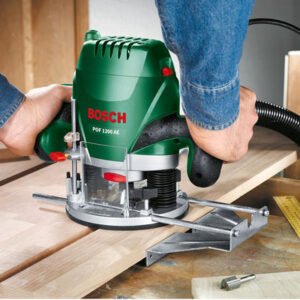
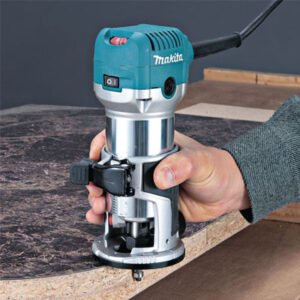
A corded router is a versatile power tool designed to shape, trim and cut wood with a rotating router bit. Unlike a battery-powered model, it connects directly to mains power, making it a practical choice for longer workshop sessions where you want continuous operation without stopping to recharge a battery. For Australian home workshops, renovation projects, carpentry tasks and furniture making, a corded router can provide a reliable way to create consistent profiles and precise cuts.
When choosing a corded router, start by considering the type of work you plan to complete. Edge routing, decorative profiling and light trimming can require different levels of power and control than deeper grooves, rebates or repeated production work. The right combination of motor performance, speed control, base design and compatible router bits can make the tool easier to handle and more suitable for your projects.
Power is an important consideration when comparing corded routers. A higher-powered motor can be useful for demanding applications, while a more compact model may offer easier handling for detailed or lighter work. Consider the material, cutting depth and frequency of use before selecting a model. Matching the router to the job can help you maintain better control while reducing unnecessary strain during operation.
Variable speed can give you greater control when working with different router bits and materials. Lower speeds can be useful for certain larger-diameter bits, while higher speeds may suit smaller bits and appropriate applications. Always follow the router and bit manufacturer's recommended operating speeds.
Check the collet size before buying a corded router. The collet must match the shank size of the router bits you intend to use. Compatibility varies between tools and markets, so review the manufacturer's specifications rather than assuming that every bit will fit. Using correctly sized and properly secured bits is essential for controlled routing.
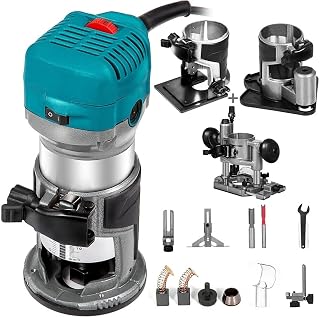
Different corded routers offer different combinations of features. A plunge base can help with controlled internal cuts, while a fixed base can be useful for consistent edge work. Depth adjustment is another important feature because accurate depth settings help you achieve repeatable results. Soft-start functionality can also make a router easier to control as the motor reaches operating speed.
Dust extraction is worth considering for workshop use. Routing can create a significant amount of fine wood dust, so a compatible extraction connection can help keep the working area cleaner. Where possible, use suitable dust extraction and follow Australian workplace or workshop safety requirements.
Corded routers can support a wide range of woodworking tasks. Common applications include creating decorative edges, cutting grooves, forming rebates, trimming laminates and producing joints. With the appropriate router bit and setup, the same tool can handle both functional and decorative work.
Router bits designed for edge work can create rounded, bevelled or decorative profiles. A corded router can also be useful for trimming excess laminate or producing clean edges on suitable timber and sheet materials.
Routers can cut controlled grooves and rebates when the correct bit, guide and depth setting are used. For joinery, accurate setup is particularly important because small changes in depth or alignment can affect the finished fit.
Australian shoppers should consider the intended workload, available workspace and power requirements before purchasing. Check the product's electrical specifications and confirm that the model is suitable for use with Australian mains power. Also consider the cord length, overall weight, ergonomics and access to replacement accessories.
If the router will remain in a dedicated workshop, a larger model may offer useful power and stability. For occasional DIY work, a lighter router may be easier to store and handle. Think about the materials you normally work with and the router bits you already own before making your selection.
Always read the manufacturer's instructions before operating a corded router. Secure the workpiece firmly, install the correct bit and check that it is tightened properly before use. Keep both hands in the intended grip positions and maintain a stable stance while routing. Disconnect the tool from power before changing bits or performing maintenance.
Use appropriate eye and hearing protection and follow suitable dust-control practices. Let the router reach the appropriate operating speed before making the cut, and avoid forcing the tool through the material. A controlled feed rate and suitable cutting depth can help produce a cleaner finish.
Compare corded routers according to motor power, speed range, collet compatibility, base type, depth adjustment, dust extraction provisions, weight and included accessories. These specifications can help you identify a model that matches your woodworking requirements rather than choosing based only on headline power.
Whether you are building furniture, completing home improvement projects or maintaining a woodworking workshop, choosing a router around your actual applications can make setup and operation more straightforward. Review the manufacturer's specifications for each product and select compatible bits and accessories for the work you intend to perform.
Choose a corded router for consistent mains-powered performance when you need controlled cuts, clean edges and accurate woodworking results. Corded routers suit routing, trimming, grooving, profiling and other workshop tasks where dependable power matters.