

♥ Wishlist


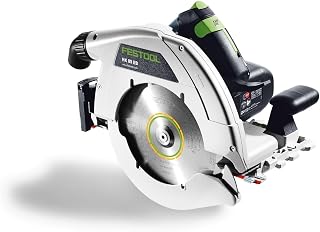




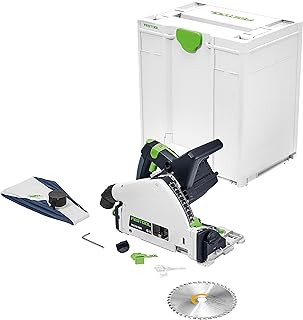
Festool plunge saws are designed for users who want controlled cutting with a high level of accuracy. Unlike a conventional circular saw that starts cutting from an exposed edge, a plunge saw allows the blade to enter the workpiece at a controlled point. This makes the format particularly useful when you need to start a cut within a panel or follow a defined cutting line.
For Australian tradespeople, cabinetmakers, joiners, renovators and workshop users, this type of saw can support a wide range of cutting tasks. Sheet goods, timber panels, worktops and other suitable materials can require long, clean cuts that are difficult to achieve consistently with a handheld saw alone. A plunge saw used with an appropriate guide system can help maintain a straight cutting path while reducing the need for repeated marking and positioning.
Precision is one of the main reasons to consider a plunge saw. The controlled blade movement helps users begin cuts accurately and maintain a consistent path. This can be valuable when working on visible surfaces where a rough or wandering cut could affect the finished result.
Plunge saws can also make certain workshop tasks more convenient. Depending on the model and accessories selected, a user can set the required cutting depth, position the saw against a guide and work through a panel with a predictable cutting motion. This approach is especially useful for repeated straight cuts during cabinetry, furniture construction and renovation work.
Check the maximum cutting depth and consider how it relates to the materials you normally cut. If you regularly work with different panel thicknesses, a suitable depth range can provide greater flexibility. Also check the specified cutting depth when using a guide rail or when making angled cuts, as the available depth can differ from a basic straight-cut specification.
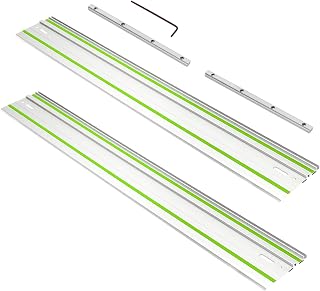
A guide rail can help produce long, straight cuts with greater consistency. When comparing Festool plunge saws, check the guide-rail system supported by the model and make sure the required rail length and accessories suit your projects. Longer workpieces may benefit from a rail setup that provides enough support throughout the cut.
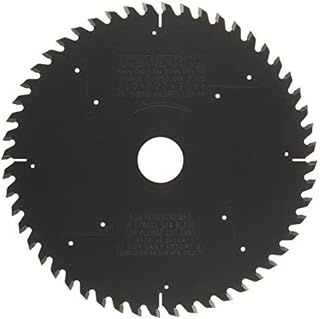
The blade has a direct effect on the cutting result. Select a blade appropriate for the material, thickness and desired finish. Fine-tooth blades can be useful where surface quality matters, while other blade designs may suit faster general-purpose cutting. Always follow the manufacturer's specifications for compatible blades and materials.
Consider whether a corded or cordless configuration better suits your workspace. Corded equipment can be practical for fixed workshop environments where continuous mains power is available. Cordless options can provide greater mobility around installation sites and projects where managing a power lead is inconvenient. Weight, balance, grip and control should also be considered, particularly when making repeated cuts.
Festool plunge saws can be useful across cabinetry, joinery, furniture construction, renovation and general woodworking applications. They are particularly suited to jobs that involve straight cuts through boards or sheet materials. A guide-based setup can make it easier to repeat measurements and maintain alignment across multiple components.
For renovation work, a plunge saw may also be useful when an internal cut is required rather than a cut that begins at the edge of a board. However, the suitability of a particular model depends on the material, blade, cutting depth and manufacturer's stated application requirements.
Start by identifying the materials and cutting tasks you perform most often. Next, compare the required cutting depth, preferred power format and guide-rail requirements. Think about whether portability or continuous workshop operation is more important for your work.
It is also worth considering the accessories you already own. A compatible guide rail, suitable blades and other supporting equipment can influence the overall usefulness of a plunge-saw setup. If you are building a complete cutting system, check compatibility before purchasing additional components.
Browse the Festool plunge saw category to compare options for precision cutting and workshop productivity. Pay attention to model specifications, cutting capacity, power configuration, compatibility and intended applications before choosing a saw. For Australian users, also consider the demands of your work environment and the practical requirements of your available power supply and workspace.
A well-matched plunge saw can make straight panel cutting more controlled and repeatable. Choose the configuration that aligns with your materials, project requirements and preferred working method, and always use the equipment according to the manufacturer's safety instructions.
Explore Festool plunge saws for controlled, accurate cutting in timber, panels and other suitable sheet materials. Designed around precision, handling and clean cutting, these saws are suited to Australian tradespeople, workshop users and serious DIY enthusiasts who need dependable results on detailed projects. Whether you are preparing cabinetry components, trimming panels or making long straight cuts, a plunge saw can provide a practical alternative to a conventional circular saw. Use this category to compare the features and configurations that matter for your work, including cutting depth, guide-rail compatibility, power source, blade requirements and overall handling.