

♥ Wishlist


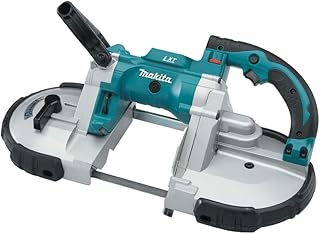

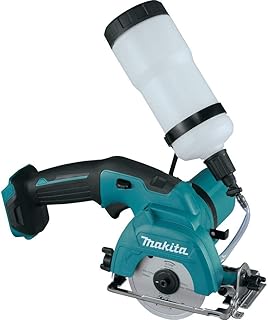

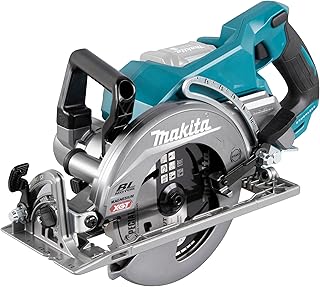


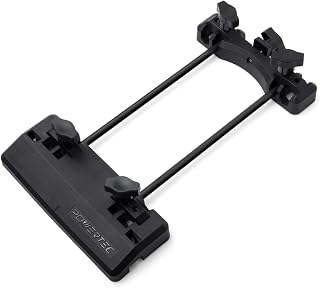


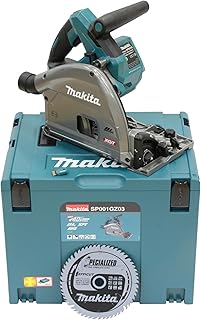
Makita plunge saws are designed for users who need controlled and accurate cutting rather than simply making a straight cut from the edge of a workpiece. Unlike a conventional circular saw, a plunge saw allows the blade to enter the material at a chosen point. This makes the format particularly useful for cutting sheet goods, worktops, panels, doors and other timber materials where starting position and cut accuracy matter.
For Australian tradespeople and DIY users, the right plunge saw can make repetitive cutting tasks easier to manage. Whether you are fitting cabinetry, preparing flooring materials, working on joinery or completing a renovation project, a plunge-cutting system can provide a practical combination of precision, control and portability. When selecting a Makita plunge saw, consider the materials you normally cut, the required cutting depth and whether you plan to use a guide rail.
A key advantage of a plunge saw is its ability to begin a cut away from the edge of the material. This can be useful when creating openings, trimming panels or making precise cuts within a larger sheet. The plunge mechanism also gives the operator greater control over the blade entry point, helping support accurate work when measurements and clean edges are important.
Makita plunge saws are commonly associated with woodworking and professional site applications. Depending on the model, features can vary, so shoppers should review the individual product specifications before choosing a saw. Look at cutting capacity, blade size, power source, speed control, bevel capability and compatibility with accessories. These details can affect how effectively a particular model suits your workshop or jobsite.
Australian users often work across a wide range of construction, renovation and woodworking projects. A plunge saw can be useful when accurate cuts are required in plywood, MDF, laminated boards and other suitable sheet materials. It can also be convenient for mobile work because the saw and guide system can be transported between the workshop and jobsite.
When comparing options, think about how often you will move the saw and what power arrangement best suits your workspace. Corded models can be practical for established workshops where continuous mains power is available. Cordless models can offer greater freedom of movement where access to a power outlet is limited. Always check the exact model specification to confirm whether a battery, charger or other accessories are included.
Cutting depth is an important specification when choosing a plunge saw. Check the maximum depth at 90 degrees and any available bevel cutting depth. The required capacity depends on the thickness of the materials you regularly work with.
A compatible guide rail can help support long, straight and repeatable cuts. If guide-rail work is central to your projects, check compatibility before purchasing. Also consider the rail lengths and accessories required for your typical sheet sizes.
The blade has a direct effect on the type and quality of cut you can achieve. Select a blade appropriate for the material and finish required. Always confirm that the blade specification is suitable for the particular saw before use.
Choose between corded and cordless equipment according to your working environment. Corded saws can provide continuous operation near a suitable power supply, while cordless equipment can simplify movement around a busy site. For battery-powered models, check battery compatibility and whether batteries are supplied.
If your projects include angled cuts, check the saw's bevel range and adjustment mechanism. Bevel capacity can be especially relevant for cabinetry, joinery and detailed woodworking applications.
Start by identifying the materials and thicknesses you cut most frequently. Next, compare the saw's cutting capacity with your requirements. Consider whether you need cordless portability, guide-rail compatibility or bevel cutting. It is also worth checking the included accessories, because the equipment supplied can vary between individual models.
For professional users, frequency of use and jobsite conditions may influence the choice. A tradesperson who regularly transports equipment may prioritise portability and a compatible battery platform, while a workshop user may prefer a mains-powered solution. DIY users should focus on the tasks they expect to complete and avoid paying for features they are unlikely to use.
Always read the manufacturer's instructions before operating a plunge saw. Wear appropriate eye and hearing protection and keep hands away from the cutting area. Secure the workpiece before cutting and check the blade path for hidden objects, fasteners or other hazards. Use the correct blade and settings for the material, and allow the blade to reach the appropriate operating condition before beginning the cut.
For guide-rail cutting, make sure the rail is positioned securely and cannot shift during operation. Disconnect the saw from its power source before changing blades or carrying out maintenance. Follow Australian workplace and electrical safety requirements applicable to your equipment and working environment.
Explore Makita plunge saws to find a cutting solution that matches your workshop, renovation or jobsite requirements. Compare individual models by cutting capacity, power source, blade specifications, bevel capability and accessory compatibility. Checking these details before purchase can help you select a saw that fits your materials, working style and project demands.
Makita plunge saws give Australian tradespeople, renovators and serious DIY users a controlled way to start cuts precisely within a workpiece. Designed around guided, accurate cutting, a plunge saw can help produce clean results when working with sheet materials, panels, doors, benchtops and timber components. Explore the Makita plunge saw category to compare models and choose equipment suited to your cutting requirements.