

♥ Wishlist


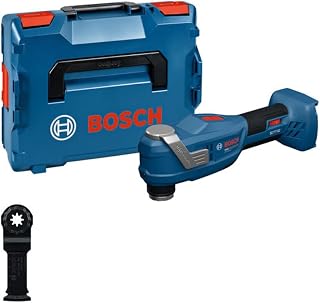

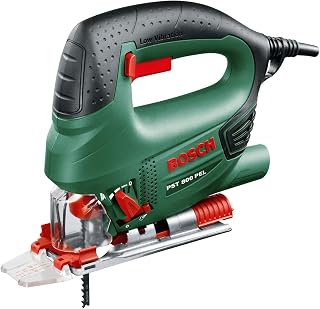


Bosch plunge saws provide a controlled approach to precision cutting. The plunge mechanism lets the user lower the blade into the workpiece rather than starting every cut from an exposed edge. This design can be useful when working with timber boards, panels, benchtop materials and sheet goods where a clean and accurately positioned cut is important.
For Australian tradespeople and serious DIY users, a plunge saw can be a practical addition to a woodworking tool collection. It is particularly suited to applications where repeatable straight cuts and careful blade positioning are required. Depending on the model and compatible accessories, users can also build a cutting setup around guide systems to improve alignment and consistency.
Bosch has a long-standing presence in power tools, and its plunge saw range is aimed at users who value controlled operation and accurate results. When comparing Bosch plunge saws, consider the type of material you normally cut, the required cutting depth, available power source and the accessories that form part of your working setup.
A plunge saw can be especially helpful for cutting large sheets because the controlled blade movement can make it easier to position the cut accurately. A suitable guide rail can further support straight cutting by providing a defined path for the saw. This can be valuable when preparing panels for cabinetry, furniture projects, flooring work and other woodworking tasks.
Australian shoppers should compare specifications according to their intended application rather than selecting a saw based on one feature alone. Look at cutting capacity, bevel adjustment, blade compatibility, power source, ergonomics and accessory compatibility. Corded models can suit workshop environments where continuous mains power is available, while compatible cordless options can provide greater freedom of movement when working away from a fixed power outlet.
Cutting depth is another important consideration. A saw with an appropriate depth range gives you more flexibility when working with different board thicknesses. Bevel capability can also be useful for projects that require angled cuts. Always check the manufacturer's specifications for the exact model to confirm its cutting capacities and compatible accessories.
Bosch plunge saws can be used across a range of woodworking applications. They are commonly considered for cutting timber boards, plywood, MDF, laminated panels and other suitable sheet materials. Cabinetmakers may use plunge saws when preparing panels, while builders and renovators can find them useful for controlled cuts during installation and finishing work.
For DIY projects, a plunge saw can provide greater control when accurate cuts are more important than simply removing material quickly. The ability to position the blade at a selected point can also make the tool useful for certain internal cutting tasks, provided the workpiece, blade and operating method are suitable for the job.
Accessories can play an important role in getting consistent results from a plunge saw. Guide rails can help maintain a straight cutting path, particularly when working with large panels. Other accessories may include suitable saw blades, connectors, clamps and storage or transport solutions, depending on the model and working environment.
Before purchasing accessories, check compatibility with the specific Bosch plunge saw model. Not every rail, blade or accessory is suitable for every tool. Matching the accessory to the manufacturer's specifications can help ensure proper fit and safe operation.
The blade has a direct effect on cutting performance and finish. Select a blade designed for the material and type of cut required. Fine-tooth blades may be appropriate for applications where a cleaner finish is important, while other blade configurations can be designed for different materials or cutting priorities.
Keep blades clean, correctly installed and in suitable condition. A worn or unsuitable blade can affect cutting quality and may make the tool harder to control. Follow the manufacturer's instructions for blade changes, operating procedures and maintenance.
The right plunge saw depends on how and where you work. Workshop users may prioritise precision, guide-rail compatibility and repeatability, while tradespeople working across different locations may place greater importance on portability and power availability. Consider your typical materials, cut lengths and project requirements before choosing a model.
When shopping for Bosch plunge saws in Australia, compare the specifications of individual models carefully. Pay attention to the included equipment as well as optional accessories, since the overall usefulness of a plunge-saw setup depends on having the appropriate blade and cutting guidance for your applications.
Always follow the manufacturer's safety instructions and use appropriate personal protective equipment. Secure the workpiece before cutting, keep hands away from the blade path and check the cutting area for potential hazards. Allow the blade to reach the appropriate operating condition before beginning the cut, and avoid forcing the tool through the material.
With the correct model, compatible accessories and suitable operating technique, Bosch plunge saws can provide a controlled solution for accurate woodworking cuts. Comparing cutting capacity, power requirements, compatibility and intended applications can help Australian shoppers select a plunge saw that matches their projects and working environment.
Bosch plunge saws are designed for woodworkers, tradespeople and DIY users who need accurate, controlled cuts with a professional finish. Unlike a conventional circular saw, a plunge saw allows the blade to enter the material at a controlled point, making it particularly useful for straight cuts, internal cuts and work where cutting accuracy matters. For Australian workshops and job sites, choosing the right Bosch plunge saw can make sheet-material preparation, cabinetry and general woodworking more efficient.