

♥ Wishlist
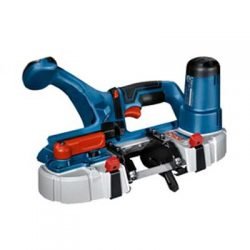
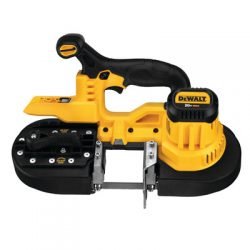
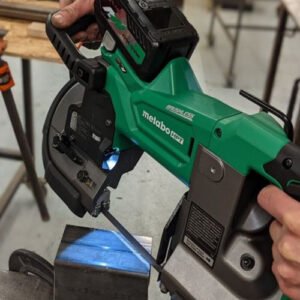
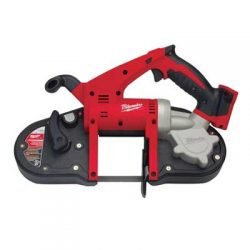
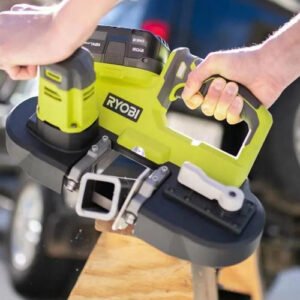
A cordless band saw gives Australian tradespeople, fabricators, maintenance workers and DIY users a practical way to make controlled cuts without relying on a nearby power outlet. Its compact cutting format can be useful when working on construction sites, during installations, in workshops or in areas where moving a corded tool would be inconvenient. Unlike larger stationary band saws, a cordless model is designed around mobility, making it easier to take the tool directly to the material.
When choosing a cordless band saw, consider the materials you plan to cut, the required cutting capacity, battery platform, blade compatibility and the working environment. Different models can suit different applications, so selecting a saw according to the job rather than appearance alone can help you achieve cleaner cuts and more efficient operation.
A cordless band saw uses a continuous toothed blade that travels around wheels to cut through suitable materials. Instead of connecting directly to mains power, the saw operates from a rechargeable battery. This cordless design can reduce cable management and provide greater freedom of movement.
Portable band saws are commonly associated with cutting metal stock such as pipe, conduit, threaded rod and other suitable sections. Depending on the model and blade installed, some saws can also handle other compatible materials. Always check the manufacturer's specifications and recommended blade type before cutting a particular material.
Cutting capacity determines the maximum size of material that the saw can accommodate. Check the stated capacity in millimetres and compare it with the pipe, bar, tubing or other stock you expect to cut. A suitable capacity can reduce the need to reposition material repeatedly.
Battery compatibility can be important if you already own cordless tools. A saw that uses a battery platform you already have may reduce the need for additional batteries and chargers. Check whether the product is supplied as a complete kit or as a tool-only option before purchasing.
Blade speed can affect how the saw behaves across different materials. Some cordless band saws provide variable speed control, allowing users to adjust operation to suit the application. Controlled cutting can also help when working with different grades and sizes of material.
Blade dimensions and tooth configuration affect compatibility and cutting performance. Before buying replacement blades, confirm the required length, width, thickness and tooth pattern for the specific saw. Keeping an appropriate spare blade available can also reduce interruptions during demanding jobs.
The main advantage of a cordless band saw is portability. Without a mains cable, the tool can be carried between work areas and used where access to electricity is limited or inconvenient. This can be particularly useful for installation work, mobile maintenance and construction tasks.
The band-style cutting action can also offer a controlled alternative to some other portable cutting tools. When the correct blade and technique are used, the continuous blade can make steady cuts through suitable stock. A compact design may make it easier to work in restricted areas, although the actual dimensions and handling characteristics vary between models.
A cordless band saw can be useful for cutting metal pipe, conduit, angle sections, threaded rod and compatible tubing. It may suit plumbers, electricians, metalworkers, maintenance teams, fabricators and construction professionals who regularly make cuts away from a fixed workshop.
For DIY users, a portable band saw may be useful for renovation, fabrication and workshop projects that involve suitable metal or other approved materials. Always match the blade to the material and follow the operating instructions supplied with the tool.
Start by identifying the material and maximum dimensions you need to cut. Next, compare cutting capacity, blade specifications and battery compatibility. Consider the tool's weight and overall design if you expect to carry it frequently or use it for extended periods.
It is also useful to consider what comes with the product. A tool-only model may suit users who already have compatible batteries, while a kit containing a battery and charger can be more convenient for someone starting with a particular cordless platform. Check the listed contents carefully before ordering.
Use the saw only for materials and applications approved by the manufacturer. Wear appropriate eye protection and other personal protective equipment suited to the work. Secure the material where practical, maintain a stable grip and allow the blade to perform the cutting rather than forcing it through the workpiece.
Inspect the blade before use and replace damaged or excessively worn blades. Keep hands away from the cutting area and follow the manufacturer's instructions for battery installation, blade changes, cleaning and maintenance. Safe working practices are particularly important when cutting metal, as hot fragments and sharp edges can present additional hazards.
When comparing cordless band saw options, focus on specifications that match your actual work. Cutting capacity, battery system, blade compatibility, speed control, portability and included accessories can all influence suitability. Choosing a model based on these practical requirements can help you find a portable cutting solution for workshop, trade and site-based applications.