

♥ Wishlist

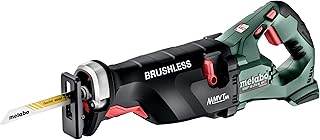


Metabo reciprocating saws are designed for cutting tasks where versatility, manoeuvrability and controlled power matter. The reciprocating saw format uses a back-and-forth blade movement to cut through suitable materials, making it useful for renovation, demolition, construction, maintenance and workshop projects. Depending on the blade selected, this type of saw can be used on materials such as timber, metal, plastics and other common construction materials.
For Australian shoppers, choosing the right reciprocating saw starts with understanding the work you expect it to perform. A compact option may suit maintenance tasks and jobs where access is limited, while a more powerful model can be useful for demanding cutting applications. Consider the material, thickness, frequency of use and available power source before selecting a saw for your toolkit.
A reciprocating saw can reach areas that are difficult to access with larger cutting tools. Its narrow blade profile also makes it useful for making cuts around framing, pipes, timber sections and other obstacles. This versatility makes reciprocating saws popular for renovation and demolition work, where the cutting requirements can change from one task to the next.
Metabo is a recognised power-tool brand, and its reciprocating saw category provides options for users looking for practical cutting equipment. When comparing models, pay attention to factors such as stroke length, stroke rate, motor performance, weight, grip design and blade-changing arrangements. These characteristics can affect cutting speed, control and overall convenience.
The blade has a major influence on reciprocating saw performance. Timber-cutting blades are designed differently from blades intended for metal, while specialised blades can be selected for particular materials or applications. Before starting a project, check that the blade is suitable for the material and thickness involved.
For timber work, a suitable coarse-toothed blade can help remove material efficiently. Metal cutting normally requires a finer-toothed blade designed for the relevant metal type and thickness. Using the appropriate blade helps you achieve more predictable results and can also reduce unnecessary wear on the cutting equipment.
Power and cutting performance are important, but they are not the only considerations. A saw that feels comfortable in the hand can be easier to control during extended work. Weight can also influence manoeuvrability, particularly when cutting in awkward positions or overhead.
Look at the available speed range and stroke characteristics when comparing models. Variable speed control can be useful when working with different materials because it allows the user to adjust cutting action to the task. Tool-free blade changes can also save time when a project requires several blade types.
If you plan to use the saw regularly, consider the overall design as well as headline specifications. Grip, balance, access to controls and the ease of changing blades can all affect day-to-day usability. For professional users, these practical details may be particularly important when the tool is used repeatedly across different jobs.
Power source is another important factor when selecting a reciprocating saw. Corded models can provide a continuous connection to mains power, which may suit workshop environments or locations where a suitable power outlet is readily available. Cordless models can offer greater freedom of movement and can be convenient on building sites, outdoor projects and locations without easy access to mains power.
When considering a cordless model, check the battery platform, battery availability and expected runtime. If you already use compatible cordless tools, staying within the same battery system may simplify charging and battery management. For corded equipment, consider cable reach and the availability of a safe power supply at the work location.
Australian buyers should consider the environment in which the saw will be used. Construction sites, workshops, renovation projects and property maintenance can all require different combinations of portability, cutting performance and control. Think about your typical tasks rather than choosing a model based on one specification alone.
It is also worth considering the accessories you will need. A selection of suitable blades can make a reciprocating saw considerably more useful across different jobs. Keep replacement blades matched to the materials you regularly cut, and inspect blades for wear before use.
Always follow the manufacturer's operating instructions and use appropriate personal protective equipment. Eye protection is important when cutting, while hearing protection may be appropriate depending on the working environment. Secure the workpiece where practical and make sure the blade is correctly installed before operating the tool.
Before cutting into walls, floors or other structures, check for concealed electrical cables, plumbing and other services. Use the correct blade for the material, maintain a firm grip and allow the saw to perform the cut without forcing it unnecessarily. Proper blade selection and controlled operation can help support safer and more effective cutting.
Metabo reciprocating saws can be useful for Australian tradespeople, renovators, maintenance workers, builders and serious DIY users who need a versatile cutting tool. Compare the available models according to your applications, preferred power source, cutting requirements, handling preferences and compatible blades. Choosing the right combination of saw and blade can help you tackle a broader range of cutting tasks with one practical power tool.
Find Metabo reciprocating saws for demolition, renovation, construction, maintenance and general cutting work. A reciprocating saw can handle a wide range of applications when paired with the right blade, making it a practical addition to an Australian workshop, building site or home tool collection. Explore the Metabo reciprocating saw range and consider factors such as power, stroke performance, handling, blade compatibility and the type of material you need to cut.