

♥ Wishlist
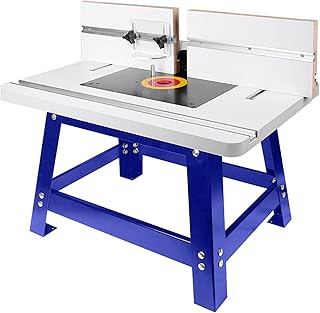


A Makita Corded Router is a practical choice for Australian woodworkers who need controlled routing performance from a mains-powered tool. Routers are commonly used to shape timber, trim edges, cut grooves and rebates, create decorative profiles and complete detailed joinery. Because a corded model draws power directly from an electrical supply, it can operate continuously without the battery management associated with cordless equipment.
When choosing a corded router, start by considering the work you expect to perform. Different routing applications can call for different levels of power, adjustment and control. A router used for occasional edge profiling may have different requirements from one used regularly for cabinetry, furniture construction or heavier timber work. Matching the tool to the application can make routing more controlled and efficient.
Routing involves removing material with a rapidly rotating cutter, so stability and control are important. A suitable Makita corded model can provide a consistent power source while allowing the operator to guide the cutter through the workpiece. Depending on the model, useful features may include variable speed control, depth adjustment, ergonomic handles, spindle-lock arrangements and provisions for dust extraction.
Speed control can be particularly useful when working with different router bits and materials. However, the appropriate speed should always follow the manufacturer's guidance and the specifications of the selected bit. Using the correct settings can help support clean cuts while reducing unnecessary strain on the tool and workpiece.
Collet compatibility is another important consideration. Router bits are available with different shank sizes, and the router must support the required size. Before purchasing accessories, check the specifications for the particular Makita router rather than assuming that every bit will fit. This simple check can help prevent compatibility problems and support safer operation.
Consider the type of base and adjustment system that best matches your work. Fixed-base routing can be useful for consistent edge work and repeatable operations, while plunge-style routing is suited to applications where the cutter needs to enter the workpiece at a controlled point. The best configuration depends on the jobs you perform and the level of control you need.
One of the main advantages of a corded router is uninterrupted access to mains power. For a workshop where routing tasks take place close to an appropriate outlet, this can remove the need to stop and recharge batteries. It can also make a corded router a useful option for longer sessions and repeated cuts.
There are practical considerations too. The power lead needs to remain safely positioned while you work, and the tool should only be connected to a suitable electrical supply. Australian shoppers should check the product's voltage and plug specifications before purchase. Always follow the manufacturer's instructions for electrical connection, operation, maintenance and storage.
Preparation has a major effect on routing results. Secure the workpiece firmly before starting and select a suitable cutter for the intended profile or cut. Mark the routing path clearly and make sure the router can travel through the intended area without obstruction. When a large amount of material needs to be removed, several controlled passes can be preferable to attempting one deep cut.
Dust management is also worth considering. Routing timber can produce significant dust and chips, particularly during extended cutting. If the selected router supports dust extraction, connecting suitable extraction equipment can help keep the work area clearer. Appropriate eye, hearing and respiratory protection should also be considered according to the work environment and manufacturer's recommendations.
When comparing Makita Corded Routers, look beyond the basic power rating. Consider the type of routing you perform, compatible accessories, adjustment range, handling, speed control and dust-management options. A well-matched router can support accurate edge work, joinery, furniture projects and general workshop applications.
Whether you are maintaining a home workshop, building furniture or carrying out regular woodworking projects, selecting a router that matches your application is important. Review the specifications of each available model carefully, confirm accessory compatibility and choose equipment appropriate for your intended workload. With the right setup and safe working practices, a Makita corded router can become a versatile part of a woodworking toolkit.
A Makita Corded Router is designed for controlled, accurate routing across a wide range of woodworking applications. These mains-powered routers provide consistent operation without relying on battery charge, making them a practical choice for workshops, cabinetry, joinery, furniture projects and detailed timber work. For Australian users who want dependable routing performance, a corded model can provide the continuous power needed for longer jobs.