

♥ Wishlist


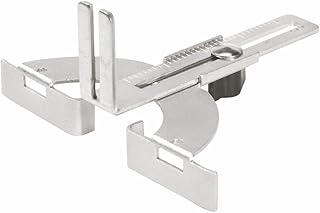


Bosch routers provide a practical solution for creating clean edges, grooves, rebates, profiles and other detailed cuts in timber and suitable sheet materials. A router can become one of the most versatile machines in a woodworking workshop because changing the router bit can significantly expand the type of work you can complete. From basic edge shaping to more detailed joinery, the right Bosch router can provide the control needed for repeatable results.
Australian shoppers should consider the type of woodworking they regularly perform before choosing a model. A compact router can suit trimming and lighter routing jobs where easy handling matters. A larger router may be more appropriate for demanding applications that require greater cutting capacity and sustained performance. Your choice should also account for the material being routed, the router bits you plan to use and the level of precision required.
Different routing applications call for different levels of power, size and control. Compact models can be useful for edge work, laminate trimming and smaller projects. Full-size routers can provide greater capacity for deeper cuts, larger profiles and heavier woodworking tasks. When comparing Bosch routers, look beyond the headline power rating and consider how the complete tool will fit your workflow.
Compact routers are useful when manoeuvrability and control are priorities. Their smaller format can make them easier to guide around edges and across smaller workpieces. They can be particularly useful for trimming, light profiling and detailed woodworking where a larger machine may feel cumbersome.
For larger projects, a more powerful router can provide additional cutting capacity and support demanding routing tasks. These machines may be suited to deeper grooves, substantial edge profiles and repeated work in a workshop environment. Always match the tool and router bit to the material and application, and follow the manufacturer's operating guidance.
Speed control can be valuable when working with different router bits and materials. Variable-speed operation allows the user to select an appropriate setting for the application, helping improve control and finish quality. Depth adjustment is another important consideration because accurate depth settings are essential for consistent grooves, rebates and profiles.
Ergonomics also matter. A router should feel manageable during extended work, particularly when the task involves multiple passes. Look for controls that are easy to access and a design that supports a stable grip. Depending on the model, features such as soft start, dust extraction compatibility, clear visibility of the cutting area and convenient adjustment systems may also improve everyday usability.
The router itself is only part of the cutting system. Router bits determine the profile and type of cut you can create, so compatibility should be checked before purchasing accessories. Consider the required shank size, bit diameter and recommended operating speed. Using suitable bits and following their specifications can help support safer and more consistent routing.
It is also worth considering the accessories you already own. If you are replacing an older router or building a woodworking setup, compatibility with existing bits, guides and other accessories can influence your purchasing decision. Always confirm specifications for the particular Bosch model rather than assuming accessories are universally compatible.
Good routing results depend on more than machine power. Securely supporting the workpiece, selecting the correct bit, setting an appropriate depth and maintaining controlled movement all contribute to a cleaner finish. Multiple shallow passes can often provide better control than attempting an unnecessarily deep cut in one pass.
Dust management is another consideration for workshop users. Routing can produce substantial wood dust, so using suitable extraction equipment where compatible can help maintain a cleaner working area. Wear appropriate personal protective equipment and follow the safety instructions supplied with the router, accessories and materials.
When comparing Bosch routers in Australia, start with the work you need the tool to perform most often. Consider whether you need a compact machine for trimming and detailed work or a higher-capacity router for demanding workshop applications. Then compare speed control, depth adjustment, bit compatibility, handling and accessory support.
A considered choice can help you select a router that fits both your current projects and future woodworking plans. Explore the Bosch Routers category to compare suitable options and identify a model that matches your preferred applications, working style and workshop requirements.
Bosch routers are designed for controlled cutting, shaping, trimming and joinery across a wide range of woodworking tasks. Whether you are working in a workshop, completing a renovation project or handling detailed timber work, choosing the right router can make routing more consistent and manageable. Explore Bosch routers for Australian woodworking applications and consider the power, control, compatibility and features that match your projects.
Primary: Buy Bosch routers in Australia
Secondary: Compare Bosch routers for woodworking, trimming, joinery, routing control, bit compatibility and workshop applications