

♥ Wishlist
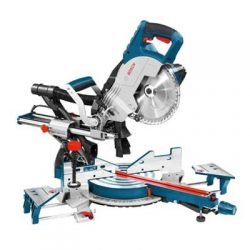
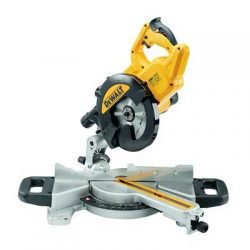
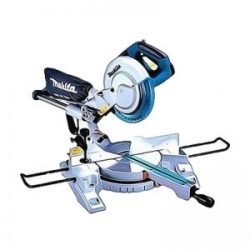
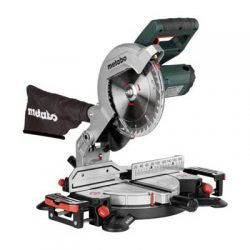
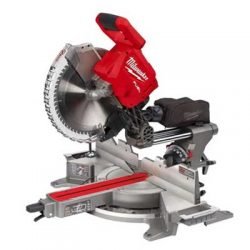


A cordless mitre saw gives Australian tradespeople, DIY users and woodworking enthusiasts the freedom to cut timber where the job takes place. Instead of positioning the saw close to a power outlet, you can work with a compatible battery system and move the tool between a workshop, garage, building site or renovation project.
The defining feature of this category is the combination of a mitre saw mechanism and cordless power. The saw is designed to hold material securely while the blade travels through the workpiece. Depending on the model, you may be able to make straight crosscuts, angled mitre cuts, bevel cuts or compound cuts. This versatility makes a cordless mitre saw suitable for many projects that require consistent angles and repeatable results.
Mitre saws are commonly used for cutting timber and other compatible woodworking materials. Typical applications include skirting boards, architraves, framing timber, shelving components, door trim, decking pieces and general construction timber. Always check the manufacturer's specifications before cutting any material, particularly when the product is not intended for a specific application.
Blade diameter and cutting capacity are important when selecting a saw. A larger blade can provide greater cutting capacity, while a compact model may be easier to transport and handle. Consider the thickness and width of the materials you regularly work with before choosing a particular configuration.
Check which battery platform the saw uses and whether the battery and charger are included. If you already own compatible cordless tools, a bare-tool option may allow you to use batteries from your existing system. Battery capacity can also affect runtime, so consider the amount of cutting you expect to complete between charges.
Blade diameter directly relates to the saw's cutting range, but it is not the only specification that matters. Review the stated crosscut capacity and maximum mitre and bevel capacities. These figures help you determine whether the saw can handle the timber sizes used in your projects.
Accurate angle adjustment is central to a mitre saw. Look for clear scales, secure adjustment mechanisms and useful positive stops where appropriate. A model with both mitre and bevel adjustment can handle more complex compound cuts, which can be valuable for trim, framing and joinery work.
Cordless operation can make transportation and positioning easier, particularly on jobs where extension leads are inconvenient. If you regularly move between locations, also consider the saw's overall weight, carrying points and compatibility with a suitable workbench or mitre saw stand.
The main advantage of cordless operation is mobility. You can position the saw without planning your workspace around a power socket. This can be useful for outdoor construction, unfinished buildings and renovation areas where mains power may not be conveniently available.
Battery-powered operation can also reduce cable clutter around the cutting area. However, runtime depends on factors such as battery capacity, material, blade condition and cutting frequency. For demanding projects, keeping a charged spare battery available can help maintain productivity.
Start with the work you expect to perform most often. For occasional DIY tasks, a compact saw with practical cutting capacity may be sufficient. Regular carpentry or construction work may call for a larger cutting range, robust construction and a battery system suited to extended use.
Next, compare the blade size, maximum cutting capacity, mitre range, bevel range and included accessories. Check whether the listing includes a battery, charger, blade, dust collection components or other accessories. Product configurations can vary, so reviewing the specifications before purchase helps you choose equipment that matches your requirements.
Read the manufacturer's instructions before operating any cordless mitre saw. Wear appropriate eye and hearing protection, keep hands away from the blade path and secure the workpiece before cutting. Allow the blade to reach the appropriate operating speed before engaging the material, and wait for the blade to stop completely before lifting the saw head.
Use a suitable blade for the material and application, and replace damaged or excessively worn blades. Keep the cutting area clear and maintain stable footing. When working with long timber, provide adequate support on both sides of the saw to help prevent movement during cutting.
Explore cordless mitre saw options with the features and cutting capacity suited to your work. Whether you are completing home improvements, installing trim, building timber structures or handling professional carpentry tasks, compare battery requirements, blade specifications, cutting capacity and adjustment features before selecting your saw.
Find a cordless mitre saw for accurate timber cutting, repeatable crosscuts and clean mitre joints without being restricted by a mains power cable. Cordless models combine the familiar functionality of a mitre saw with battery-powered convenience, making them useful for renovation work, carpentry, cabinetry, framing and general woodworking.
A cordless mitre saw is primarily used for accurate crosscuts, mitre cuts, bevel cuts and, on suitable models, compound cuts in compatible timber and woodworking materials.
Yes, suitable cordless models can be used for professional carpentry and construction work. Compare cutting capacity, battery runtime, durability, blade specifications and the features required for your typical workload.
It depends on the product configuration. Some models are supplied as complete kits with a battery and charger, while others are sold as bare tools. Always check the individual product listing before ordering.
The appropriate blade size depends on the saw and the materials you need to cut. Larger blades can provide greater cutting capacity, while smaller blades can suit more compact applications. Check the manufacturer's approved blade specifications.
Many cordless mitre saws support bevel cutting, although the available bevel range varies between models. Check the product specifications if bevel or compound cutting is important for your project.
Battery runtime varies according to battery capacity, cutting frequency, material thickness, blade condition and the saw itself. Having a fully charged spare battery can be useful for longer cutting sessions.
Compare battery compatibility, blade size, crosscut capacity, mitre and bevel ranges, weight, included accessories and the type of work you plan to perform. Also confirm whether the battery and charger are included.