

♥ Wishlist


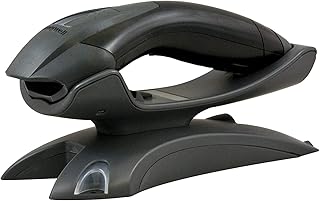
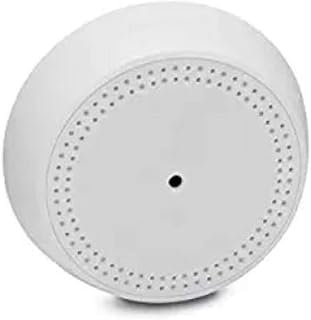


A Honeywell cordless wall scanner can be a useful addition to a home workshop, maintenance kit or professional installation setup. These scanning devices are designed to help users investigate what may be located behind a wall surface before starting work. That can make them particularly useful when installing shelves, brackets, fixtures, cabinets, fittings or other items that require drilling or fastening.
For Australian shoppers, cordless operation offers a practical advantage. Without a power cable restricting movement, you can scan different sections of a room without repeatedly repositioning a cord. This can be helpful during renovation projects, property maintenance and installation tasks where access to the work area may be limited.
Walls can contain materials and services that are not visible from the surface. Depending on the building and wall construction, hidden areas may include studs, metal components, pipes, electrical wiring or other materials. A wall scanner provides a way to inspect an area before you make a hole, although detection results can vary according to the wall material, depth, object type and environmental conditions.
Using a scanner as part of your preparation routine can therefore add another layer of awareness before drilling or cutting. It should not replace appropriate building plans, electrical safety procedures, plumbing information or professional advice where those are required.
When comparing a Honeywell cordless wall scanner, consider the detection capability, scanning modes, display or indication system, operating controls and power arrangement. The right combination depends on how you intend to use the scanner and the types of walls you regularly encounter.
A clear indication system can make results easier to interpret while working. Simple controls can also be valuable when you need to check several locations quickly. For users who move between different rooms or work areas, cordless operation can improve convenience by reducing dependence on nearby power outlets.
Detection performance is one of the most important considerations when choosing a wall scanner. Look for a model that suits the wall types and applications you expect to encounter. Remember that no scanner should be treated as an absolute guarantee that an area is free from hidden services.
A scanner should be comfortable to handle and straightforward to operate. Consider the control layout, display visibility and scanning process. An easy-to-understand interface can help reduce unnecessary interruptions when checking multiple locations.
Cordless wall scanners are useful when portability matters. You can move around a work area without managing a mains cable. This can be especially convenient for installers, tradespeople, maintenance teams and DIY users working across several locations.
Honeywell cordless wall scanners can support a range of practical tasks. Home users may use a wall scanner when preparing to hang cabinets, mirrors, shelves or other fixtures. DIY renovators can use scanning as part of their preparation before drilling into walls. Tradespeople and maintenance professionals may also use wall detection equipment when assessing suitable locations for installation work.
Australian properties can use different construction methods and wall materials, so always follow the scanner's operating instructions and understand its limitations. For electrical, plumbing or structural work, use the appropriate professional procedures and verification methods in addition to scanning.
Start by identifying the work you perform most often. If you mainly complete occasional household mounting jobs, straightforward controls and convenient cordless use may be priorities. If you regularly work on renovation or installation projects, detection capabilities, scanning modes, ergonomics and ease of repeated use may deserve more attention.
It is also worth considering the wall surfaces you expect to scan. Different construction materials can affect detection performance. Review the product specifications and operating instructions to confirm that the scanner is appropriate for your intended application before purchasing.
Wall scanning is a useful preparation step, but it should be combined with sensible safety practices. Follow the manufacturer's instructions, calibrate or initialise the device as required and scan the intended area carefully. Do not assume that a clear reading means a wall is completely free of electrical wiring, plumbing or other hazards.
Before drilling or cutting, consider all available information about the property and work area. Where there is uncertainty about electrical, plumbing or structural services, stop and seek qualified assistance. Proper preparation can help make installation and renovation work more controlled and predictable.
Explore the Honeywell cordless wall scanner category when you need a portable solution for wall detection and project preparation. Compare the available product specifications, features and intended applications to identify an option that matches your requirements in Australia.
Whether you are preparing a home improvement project, installing fixtures or carrying out maintenance work, a suitable wall scanner can become a valuable part of your inspection routine. Choose based on detection requirements, wall compatibility, usability and cordless convenience rather than relying on one feature alone.
Find a Honeywell cordless wall scanner for practical wall detection during renovation, installation, maintenance and DIY projects. A wall scanner can help you investigate areas before drilling, cutting or mounting by detecting hidden materials or objects behind suitable wall surfaces. Cordless operation also makes scanning convenient when you need freedom of movement around rooms, work areas or building sites.