

♥ Wishlist
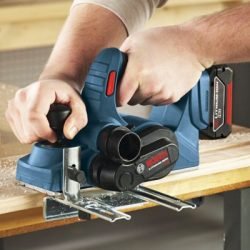
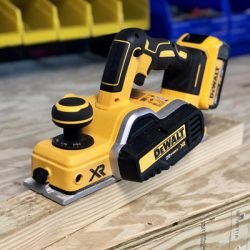
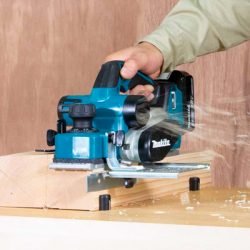
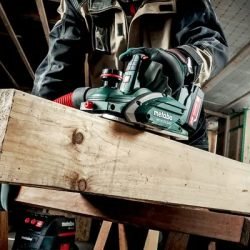
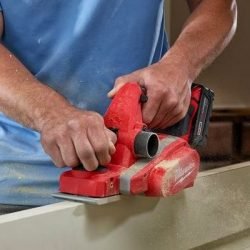


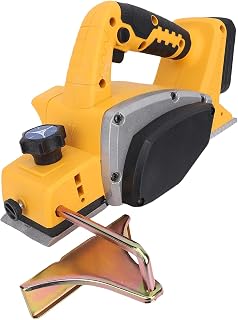


A cordless planer is designed to remove a controlled amount of material from timber while helping create a smoother and more even surface. Unlike a corded model, a battery-powered planer does not need a nearby electrical outlet during use. This makes it useful for mobile work, outdoor projects, renovations and construction sites where access to mains power may be limited.
For Australian shoppers, portability can be especially useful when moving between rooms, workshops, garages or outdoor work areas. A cordless design also reduces the need to manage an extension lead while working. When selecting a model, consider the type of timber you normally work with, the amount of material you need to remove and how frequently you expect to use the tool.
Cordless planers can handle a range of common woodworking tasks when used with suitable blades and settings. They can help reduce the thickness of timber, level uneven sections, smooth rough surfaces and adjust wooden doors or boards that require a precise fit. They are also useful for preparing timber before sanding, finishing or assembly.
For renovation work, a portable planer can make it easier to make small adjustments without carrying a larger stationary machine to the work area. DIY users may also find a cordless planer helpful for furniture projects, shelving, framing and general timber preparation. Always select the cutting depth according to the material and the task rather than attempting to remove excessive material in a single pass.
Different cordless planers are designed for different levels of woodworking. Cutting width is an important consideration because it affects how much timber can be covered in one pass. A wider planing width may be useful for larger boards, while a compact design can be easier to control for smaller adjustments.
Adjustable cutting depth is another useful feature. It allows you to control how much material the planer removes during each pass. Look for a design with an easy-to-use depth adjustment if you expect to make frequent changes between tasks.
Battery compatibility can also influence your choice. If you already own compatible cordless tools, selecting a planer from the same battery platform may help reduce the need for additional batteries and chargers. Runtime, battery capacity and charging requirements should also be considered when planning longer jobs.
A cordless planer can suit both professional and home woodworking environments. Tradespeople may value the mobility of a battery-powered tool when working on building, repair or installation projects. Home users can benefit from the same portability when completing furniture repairs, door adjustments and timber DIY projects.
When comparing products, consider the balance between portability, cutting performance and handling. A lightweight model may be more comfortable for overhead or extended work, while a robust design may suit demanding workshop applications. Ergonomic handles and accessible controls can also make the tool easier to operate with consistent pressure.
Start by identifying the materials and applications you expect to handle most often. For occasional DIY projects, a straightforward cordless planer may provide the functionality you need without unnecessary features. For regular carpentry or renovation work, you may want to pay closer attention to planing width, depth adjustment, battery runtime and overall durability.
It is also worth considering the accessories and consumables required for ongoing use. Replacement blades, compatible batteries and charging equipment can affect the long-term practicality of a cordless planer. Check the product specifications carefully to confirm compatibility before purchasing accessories.
Safe operation starts with reading the manufacturer's instructions and checking the planer before use. Keep hands away from the cutting area, secure the timber firmly and allow the blades to reach the appropriate operating condition before making a cut. Wear suitable eye and hearing protection, particularly when working in a busy workshop or on a construction site.
Keep the work area clear of loose objects and maintain a stable stance while operating the tool. Do not force the planer through the material. Instead, use controlled passes and an appropriate cutting depth. Disconnect or remove the battery before carrying out blade changes, maintenance or cleaning, following the manufacturer's instructions.
Choosing the right cordless planer can make timber preparation more convenient and adaptable. Compare the specifications, intended applications, cutting capacity, battery requirements and handling characteristics of available models before making your selection. Whether you are a professional tradesperson, experienced woodworker or DIY enthusiast, a suitable cordless planer can provide a practical solution for smoothing, sizing and adjusting timber.
A cordless planer gives Australian woodworkers the freedom to smooth, level and size timber without being restricted by a power cable. Whether you are preparing boards, trimming doors or completing renovation work, a battery-powered planer can provide convenient handling and easy movement around the job site. Explore the cordless planer range to find a practical option for your workshop, construction work or DIY projects.