
♥ Wishlist


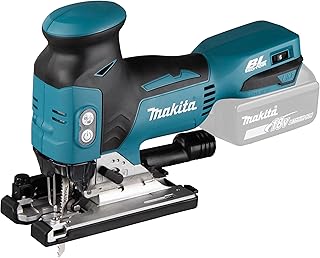


Makita jigsaws are designed for controlled cutting where a circular saw may not provide the shape or manoeuvrability you need. A jigsaw uses a reciprocating blade to create straight lines, curves, cut-outs and detailed shapes in suitable materials. For Australian tradespeople, renovators and DIY users, the right Makita jigsaw can provide a practical balance of cutting control, portability and ease of use.
The Makita jigsaws available through this category include cordless options from different battery platforms and configurations. Product listings can include 12V Max CXT, 18V LXT and higher-voltage systems, depending on the model. Some products are supplied as tool-only or skin units, while others may be available as kits with batteries and chargers. Always check the individual product listing to confirm exactly what is included before purchasing.
Cordless operation is useful when you need to move around a workshop, building site, renovation area or outdoor project without managing a mains power lead. A compatible battery can provide the freedom to position the tool where the work requires it. If you already use Makita cordless equipment, choosing a jigsaw from a compatible battery platform may also simplify battery management.
Battery compatibility is an important consideration. Makita offers multiple cordless platforms, so an 18V LXT battery should not be assumed to work with every Makita jigsaw. Check the specified battery system for the exact model and confirm whether the listing includes a battery or charger.
Brushless Makita jigsaws are designed around motor technology that can provide efficient operation with reduced brush-related maintenance. For users who regularly cut timber, panels or other suitable materials, a brushless model can be worth considering when runtime, efficiency and long-term tool ownership are priorities.
Features vary between models. Depending on the product, you may find variable speed control, orbital or pendulum settings, bevel adjustment, LED illumination, dust management and tool-less blade changes. These features can make the tool easier to adapt to different cutting requirements, although specifications should always be checked against the individual product.
Jigsaws are versatile tools, but the correct blade matters as much as the machine. Wood-cutting blades are available for different timber types and cutting requirements, while specialist blades can be selected for materials such as metal or plastic. Tooth configuration, blade material and cutting speed should match the workpiece for controlled results.
For timber work, a jigsaw can handle tasks such as shaping shelves, cutting benchtop openings, creating curved components and trimming panels. When working with metal or plastic, use a blade specifically intended for that material and follow the manufacturer's operating guidance. Secure the workpiece firmly and allow the blade to perform the cut rather than forcing the tool.
Makita jigsaws can use different handle designs, including top-handle and barrel-handle configurations. Handle preference often depends on the type of work, cutting position and personal comfort. A top-handle design can feel familiar for general cutting, while a compact barrel-handle configuration may suit users who prefer a lower-profile grip and close control.
Variable speed control can help users adapt cutting speed to the material and desired finish. Orbital action can increase cutting efficiency for suitable applications, while a straight-cut setting can provide more controlled blade movement for detailed work. Bevel adjustment can also help when angled cuts are required.
Start by identifying the battery platform or power configuration you need. If you already own compatible Makita batteries, a tool-only model may be convenient. If you are starting a new platform, a kit containing the required battery and charger may be more suitable.
Next, consider handle style, motor type, speed control, orbital settings, bevel capacity, blade-change method and dust-management features. Also check the included accessories, because batteries, chargers, cases and blades are not necessarily included with every listing.
Comparing several models can help you identify the specifications that matter most for your work. A compact 12V Max model may appeal to users who value portability, while an 18V LXT jigsaw can suit broader cordless workshop and trade applications. Higher-voltage options may be relevant to users looking for a different level of cordless performance.
Before ordering in Australia, review the product specifications, included accessories, battery requirements, seller information, current availability and delivery details shown on the individual listing. This helps ensure that the selected jigsaw matches your existing equipment and intended application.
Use the correct blade for the material, secure the workpiece and keep hands away from the blade path. Wear suitable eye protection and follow the manufacturer's safety instructions. Disconnect or remove the battery before changing blades or performing maintenance where applicable. Keep the cutting area clear and allow the blade to stop completely before setting the tool down.
Whether you need a compact cordless jigsaw for installation work, an 18V LXT model for general workshop use or a brushless option for demanding cutting tasks, comparing specifications can make the selection process easier. Explore the available Makita jigsaws, check each product's battery platform and included equipment, and choose the configuration that matches your Australian workshop, trade or DIY requirements.
Find Makita jigsaws for precise curved, straight and detailed cuts across woodworking, renovation, installation and DIY projects. This category includes cordless jigsaws designed around Makita battery platforms, along with models featuring brushless motors, variable speed control, orbital action, bevel adjustment and practical blade-change systems. Australian shoppers can compare different handle styles, voltage platforms and kit configurations to find a jigsaw suited to their materials, workload and existing tools.