

♥ Wishlist


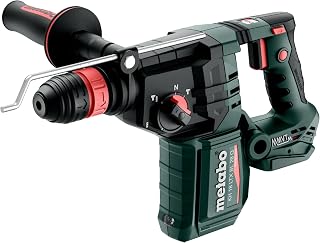
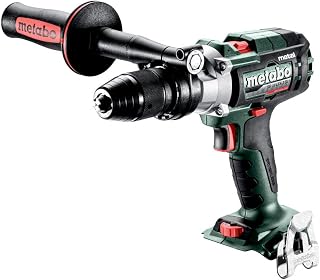


A Metabo cordless SDS hammer drill is built for users who need more than a standard cordless drill can provide. SDS tooling allows compatible drill bits to handle impact drilling applications efficiently, making these machines suitable for masonry, concrete and other demanding materials. Because the drill runs from a rechargeable battery rather than a mains cable, you can move around a worksite with fewer restrictions.
For Australian tradespeople, renovators and serious DIY users, cordless operation can be especially useful when drilling in locations without convenient access to a power outlet. It also reduces the need to manage a long extension lead while working across rooms, outdoor areas or developing construction sites. The right Metabo cordless SDS hammer drill can therefore provide a practical balance between drilling capability, portability and everyday usability.
Start by considering the materials and drilling tasks you expect to perform. SDS hammer drills are particularly useful for masonry and concrete applications because their impact mechanism helps the drill bit penetrate hard materials. If your work involves frequent anchor holes, fixing points, installation work or renovation tasks, an SDS hammer drill can offer capabilities beyond those of a conventional drill driver.
Battery platform compatibility is another important consideration. If you already use compatible cordless tools, choosing a drill that works with the same battery system can make your tool collection easier to manage. You may be able to share batteries and chargers across suitable machines, reducing the need to maintain several different charging systems. Always check the exact model specifications and battery requirements before purchasing.
When comparing Metabo cordless SDS hammer drills, look beyond the basic product name. Consider the drill's voltage or battery platform, impact performance, speed settings, operating modes, chuck or tool-holder system, weight and overall dimensions. These details can affect how comfortably and effectively the tool performs during extended use.
Operating modes can also influence versatility. Depending on the model, an SDS hammer drill may provide rotary drilling, hammer drilling and other functions suited to different applications. A model with multiple modes can be useful for users who regularly switch between materials and tasks. Check the manufacturer's specifications for the precise functions offered by each drill rather than assuming every model provides the same capabilities.
Cordless performance depends on more than the battery's nominal voltage. Workload, material hardness, drilling diameter, battery capacity and operating conditions can all affect runtime. If you expect to complete many holes in a single session, consider how many compatible batteries you have available and whether a higher-capacity option suits your workflow.
A cordless SDS hammer drill can also make transport and setup easier. Without a mains cable, you can position the tool where it is needed without planning your work around an electrical outlet. This can be valuable for repair work, installation projects and construction tasks where you frequently change locations.
Weight and ergonomics matter when a drill is used regularly. A lighter machine may be easier to handle during overhead or repetitive work, while a heavier design can be appropriate for demanding applications where substantial drilling performance is required. Look at the complete specifications and consider how the tool's size, grip and balance will suit your typical jobs.
Good control is equally important. Features such as variable speed, suitable operating modes and a well-designed handle can help users match the tool to the application. Always use the correct SDS-compatible accessory and follow the manufacturer's operating instructions. Appropriate personal protective equipment should also be used when drilling or chiselling masonry and concrete.
Before ordering, identify the tasks you perform most often and then compare models according to those requirements. Think about drilling diameter, material type, working frequency, battery availability and portability. Users completing occasional home renovation work may prioritise convenience and manageable weight, while professional users may place greater emphasis on sustained performance, durability and battery availability.
It is also worth checking what is included with the particular product. Depending on the model and package, a drill may be supplied with accessories, a battery, a charger or as a bare tool. Package contents can vary, so reviewing the individual product specification helps prevent buying duplicate batteries or missing essential equipment.
For Australian shoppers, also consider the practical conditions of your work environment. Dust, confined spaces, outdoor work and long periods of drilling can all influence which features matter most. By comparing specifications rather than choosing solely on appearance or price, you can select a Metabo cordless SDS hammer drill that better matches your intended applications.
Explore the Metabo cordless SDS hammer drill category to compare available options for masonry drilling, renovation, installation and construction work. Check each product's specifications, battery requirements, operating modes and included equipment before making your choice. Selecting a drill around your actual workload and existing cordless-tool setup can help you get more practical value from your purchase.