

♥ Wishlist
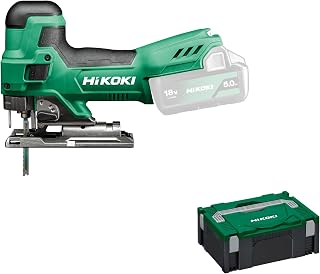


Metabo Jigsaws are designed for cutting tasks where control, accuracy and manoeuvrability matter. A jigsaw uses a narrow reciprocating blade to create straight cuts, curves, openings and shaped profiles in suitable materials. This makes the tool useful for woodworking, cabinetry, installation work, renovation projects and general DIY.
For Australian shoppers, selecting the right jigsaw starts with understanding the work you need to complete. Consider the materials you regularly cut, the required cutting depth, the shape of the cuts and whether you prefer corded or cordless operation. A suitable combination of power, blade control and ergonomics can make detailed cutting easier while helping you achieve cleaner results.
A cordless jigsaw can be a practical choice when mobility is important. Without a power lead restricting movement, you can work more freely around benches, installation areas and renovation sites. Cordless models can also be convenient for cutting tasks where mains power is not immediately accessible.
When choosing a cordless option, check the required battery platform, battery availability and expected runtime. If you already use compatible cordless tools, staying within the same battery system may simplify your workshop setup. Remember to check the product specifications before purchasing batteries or chargers separately.
Corded jigsaws can suit workshops and work areas where continuous access to mains power is available. They remove the need to monitor battery charge during longer cutting sessions. This can be useful when completing repeated cuts or working at a fixed bench.
Think about your workspace before choosing a corded model. The length and routing of the power cable can affect convenience, particularly when cutting larger workpieces or moving around a workshop. Safe cable positioning should always be part of your setup.
A jigsaw can handle a range of suitable materials when paired with the correct blade and cutting technique. Wood and wood-based boards are common applications, while appropriate blades can also support cutting tasks involving certain plastics and metals. Always select a blade specifically intended for the material being cut.
Blade selection affects both cutting performance and finish. Fine-tooth blades can be appropriate where a cleaner finish is important, while other tooth configurations can be better suited to faster material removal. Check the blade manufacturer's recommendations and the jigsaw specifications before starting a new application.
Variable speed can help you adjust cutting action to suit the material and task. Slower settings may offer greater control for delicate work, while higher speeds can support efficient cutting in suitable materials.
Some jigsaws use an orbital or pendulum action that changes how the blade moves through the workpiece. This can help with faster cutting in appropriate applications. However, a more aggressive setting may not always provide the cleanest finish, so choose the setting according to the material and desired result.
Good visibility around the blade can make it easier to follow a marked cutting line. Features that improve the operator's view of the cutting area may be particularly useful when making curves or detailed shapes.
A comfortable grip and balanced tool can help when making controlled cuts over longer periods. Consider the position of the controls, overall handling and how easily you can guide the jigsaw along your intended line.
Jigsaws are versatile additions to a workshop because they can create shapes that are difficult to achieve with larger cutting tools. They can be used for curved furniture components, cut-outs in panels, internal openings and general woodworking tasks. They are also useful for DIY renovation projects where portability and precise manoeuvring are valuable.
For repeated professional work, consider the cutting capacity, operating characteristics and available accessories that match your applications. For occasional DIY use, prioritise straightforward operation, comfortable handling and a specification that covers the materials you expect to cut.
Mark the cutting line clearly before starting and support the workpiece securely. Use the correct blade for the material and allow the blade to perform the cutting rather than forcing the tool through the workpiece. Keep the base plate properly positioned and guide the jigsaw steadily along the intended path.
For curves, avoid turning the tool too aggressively. Tight turns can place additional pressure on the blade and may produce an uneven cut. When making internal openings, use an appropriate starting method and follow the manufacturer's instructions for the particular jigsaw and blade.
When comparing Metabo Jigsaws, match the tool specification to your intended applications rather than choosing based on power alone. Review whether you need cordless freedom or continuous corded operation, then consider cutting capacity, speed control, orbital action, ergonomics and blade compatibility.
Whether you are preparing timber for a DIY project, shaping panels in a workshop or completing detailed trade work, the right jigsaw can provide a practical combination of precision and versatility. Check the individual product specifications for the latest details before making your purchase, including power source, cutting capacities, included accessories and compatibility requirements.
Explore Metabo Jigsaws for controlled straight and curved cutting across woodworking, renovation, DIY and trade applications. Choose a suitable jigsaw format for your project and cutting requirements.